
David Kilcullen
Noted Pakistani author Ahmed Rashid speaking of the problem nearer home, says that: ‘The Pakistani Taliban movement is turning into a multiethnic movement, not limited to Pashtuns;
Reviewed by: P.R. Chari

Noted Pakistani author Ahmed Rashid speaking of the problem nearer home, says that: ‘The Pakistani Taliban movement is turning into a multiethnic movement, not limited to Pashtuns;

This book, in the shape of an edited volume of fourteen papers presented in the two-day seminar organized by the Department of Defence and Strategic Studies of the University of Pune, has attempted to address the various issues of internal security in terms of the need for evolving appropriate ‘security policy’, particularly in the context of ‘political, economic and socio-cultural dimensions’.
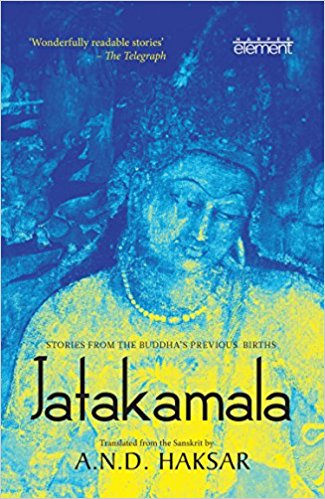
If the original tradition of India is contained in the Vedas, the Vedanta, epics, Puranas and the Kathasaritsagar (“Ocean of Stories”), its Buddhist corpus is the Tripitaka. In a way, the counterpart of the Kathasaritsagar is the Jatakas consisting of 547 stories of past births of the Buddha as Bodhisatva (‘enlightened being’) in animal and human form.
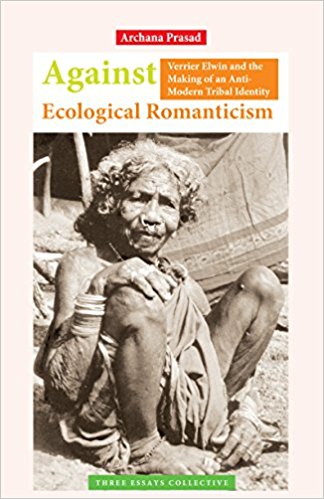
The author argues that two significant aspects Elwin’s advocacy of protectionism for tribal people have contributed to the construction of an anti-modern tribal identity. First it was based on an ecological romanticism that glorified the past and held that “tribal people had been living in harmony with nature since ancient times (p xv)….
‘Diaspora’ is an ancient word, derived from a Greek term that refers to the act of sowing or scattering seeds. Historically connected with the dispersal of the Jewish people,
This is a compilation of articles written by various academic researchers belonging to one of two backgrounds: law and economics (in particular international trade).