Ismat Chughtai has often been described as Urdu’s most courageous and also controversial woman writer, which is not to say that the epithet ‘controversial’ has worked to her disadvantage. Think Ismat: think delightful, fiery, provocative and well known feminist stories, never mind if they are occasionally heart breaking too.
2014
It is doubtful whether even the most confirmed admirers of M.T. Vasudevan Nair’s novels will judge Varanasi (2002) as a mature or profound work. The reason? Certainly not the lack of good, solid ingre-dients in the composition.
Written between 1991 and 1993, Daruwalla’s collection celebrates the histories and legends of the grand Persian Empire, a phase of history barely glanced at in contemporary literature. The book explores the stories of the kings—Darius, Cyrus and Alexander.
The second book by S.K. Saksena, the distinguished Professor of Philosophy, collects his essays on western philosophy and Hindustani music. There are a range of meditations on Hegel, Kant and Croce and how their theories illuminate Indian musics.
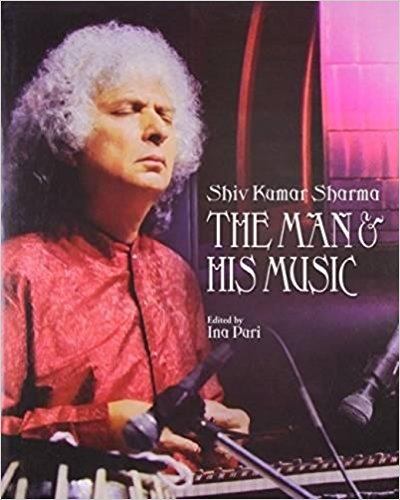
The first book is an affectionate portrait of Shiv Kumar Sharma put together by his devoted friend Ina Puri. The text comprises a long interview by Puri, an appraisal of the maestro by Vijay Kichlu and an account of Sharma’s career in Hindi films by enthusiast Manek Premchand.
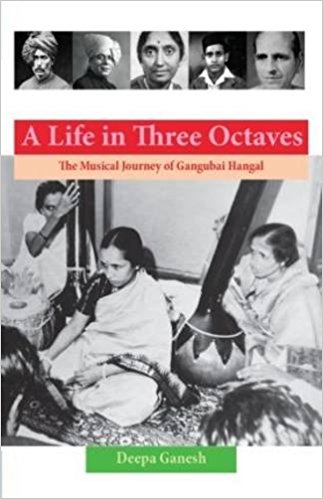
This biographical work on the towering Hindustani vocalist, Gangubai Hangal (1913-2009), is based on a series of visits the author made to the diva’s home, and extensive interviews with people close to her subject. The author’s discovery of this extraordinary personality spans a period of four years (2005-2009).