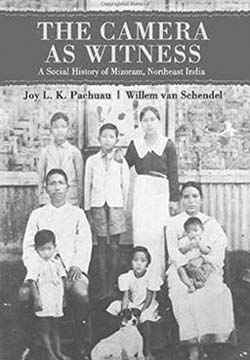
As a narrative which relies on photographs to communicate, The Camera as Witness is a remarkable book of history. Possibly one of the first academic history writings of its kind on North East India, it traces the history of Mizoram from the colonial to the contemporary times.
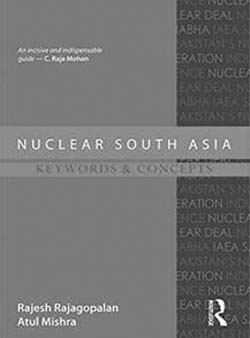
The book is a long awaited one on three counts. One is that it fills a gap in South Asian strategic affairs literature and on that score will be valued by students and initiates among the attentive public.
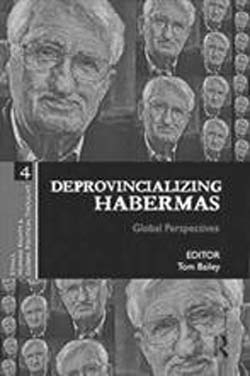
Jürgen Habermas has been a sine qua non social theorist of contemporary times. Habermasian political theory is one of the critical/crucial defences of modernity in the era of absolute subjectivism and sheer positivism. Habermas defies time and space. His ‘universal’ is eternal and location free.
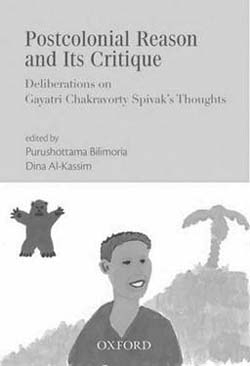
The conversation around Gayatri Chakravorty Spivak’s seminal work A Critique of Postcolonial Reason: Toward a History of the Vanishing Present refuses to die down.
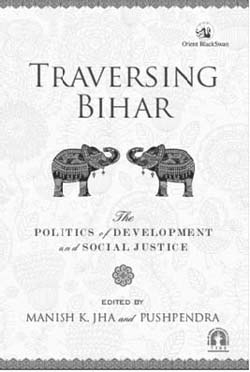
Traversing Bihar portrays Bihar’s internal contradictions and struggles and is an attempt to interpret some of the paradoxes existent in contemporary Bihar.
Ideas and practices associated with India’s living document, the Constitution of India have remained central to the political imagination and assessment of democracy in contemporary India. Recent writings on ideas, institutions and processes in Indian politics have attempted to foreground the language of democracy in deliberations involved in the making of India’s Constitution.