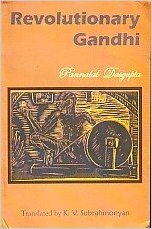
Pannalal Dasgupta
The book by Pannalal Dasgupta is calm, clear and has depths of experience, and as sometimes happens, we share in the translator’s wisdom as much as the author’s.
Reviewed by: Susan Visvanathan

The book by Pannalal Dasgupta is calm, clear and has depths of experience, and as sometimes happens, we share in the translator’s wisdom as much as the author’s.
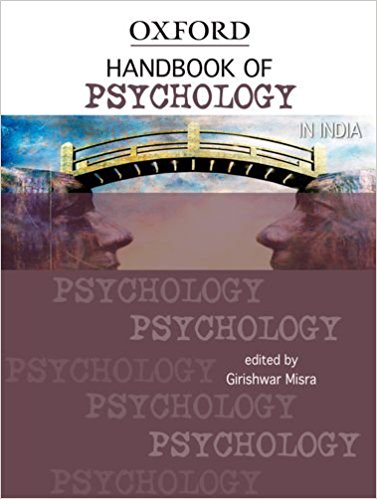
The study of psychology is growing roots and gaining its own threshold in India. The book is both a culmination and proof of the vibrant field of the subject in the country. As Misra points out in the preface,’The publication of this volume indicates that there is substantial work being done by Indian scholars that needs to be shared.’…

In her well-written book, The Communal Edge to Plural Societies, Ratna Naidu explores the social morphology of the communal question in India and Malaysia. She probes into the normative structure of communalism, the contextual differences between communalism and nationalism, and, most significantly, on the vastly different assumptions in the approaches of the political elites in the two countries.
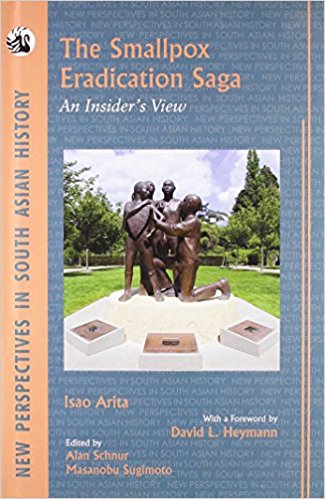
Smallpox eradication remains one of the most outstanding achievements in the area of international public health. Any account of this extraordinary achievement of the collective human race ought to evoke interest, especially if it comes from a person of Isao Arita’s erudition. Arita was one of the primary architects of WHO’s ‘Intensified…
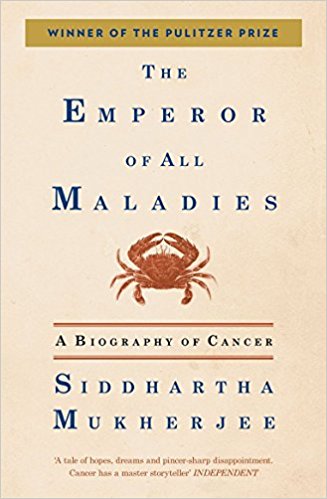
This book, a brilliant book, received extraordinary attention in India. You might disagree with me, but I believe we do not have a rich literary culture. This is of course fundamentally related to India’s caste structure, and that we haven’t changed that much since Independence. There is little public space for books…

This is not a plain tale from the Raj even though it is the journal of the wife of a British officer serving in India. The touch of the mem-sahib is inevitable since Honoria Lawrence was one; however, it remains a mere streak in an otherwise rich and complex personality and it is the individual who comes through strongly in the pages of the journal. She is a woman of many strands and if her husband was regarded as someone rather special then she has claims to the same regard in her own right.