As summer looms upon us, a Gujarati friend living in Calcutta becomes more and more disgruntled. Her plaint is the lack of kesri ker no ras (aam ras or mango pulp) in her city. Upon a suggestion that she purchase mangoes and make it at home, came a most painful shriek: you don’t understand! In Gujarat right now, everyone is talking mango, buying mango, selling mango, cooking mango…
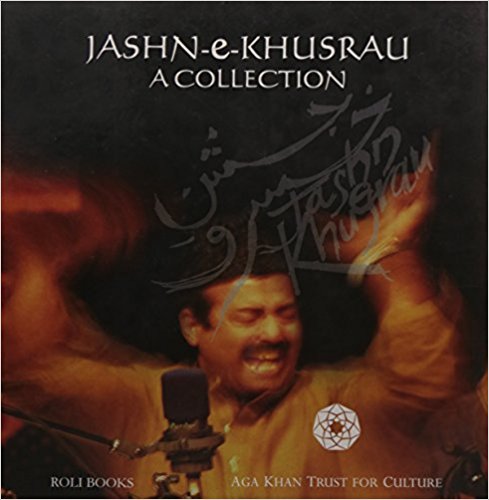
Even as Delhi has been celebrating the centenary of its restoration as capital of India, a proud fragment of its built heritage and history, it is fitting that we re-member the doyen of Delhi’s lived cultural heritage, Amir Khusrau (1238-1325), the most loved acolyte of the great…
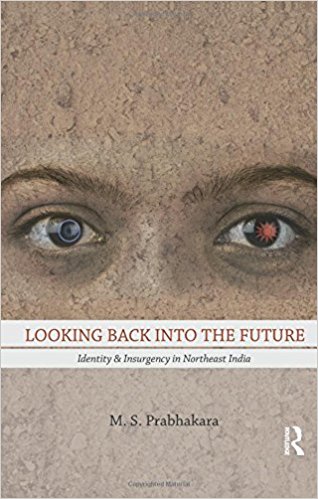
Just when journalism in India is going through a transition of sorts, when values and ethics lost in the process are being questioned, M.S. Prabhakara’s book Looking Back Into The Future helps restore some faith…
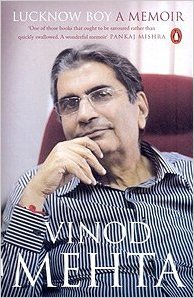
Poet and essayist W.H. Auden once remarked that every autobiography is concerned with two characters, ‘a Don Quixote, the Ego, and a Sancho Panza, the Self’. Vinod Mehta’s literary self-portrait Lucknow Boy fits the description quite well. Only that in this memoir the two characters never appear together, at least not on the same page…
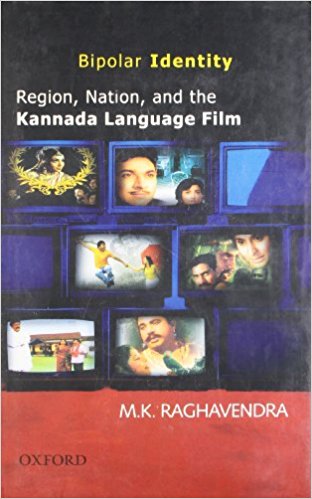
In 2002, the Government of Karnataka prohibited the sales of a massive two-volume history of Kannada cinema published by Hampi University Press. It apparently had factual errors and, more importantly, had misrepresented Dr. Rajkumar, the Kannada film superstar…
This book highlights a conceptual and political impasse that is at the heart of the most recent postcolonial scholar-ship on India.On the one hand, much effort is expended at exposing the contradictions and limits of British colonial rule (scholars tend to mostly ignore the Portuguese colonial presence!)…