Rita Joshi

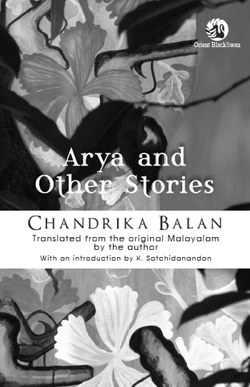
wo young women in creative collaboration, looking at a train winding its way through the hills and immortalizing this moment on canvas—all the symbols on this cover—the blue sky, the hills in the distance, the misty horizon, the train, the sparse vegetation, the canvas and brush and the two female figures—signal the literary intention of the writer. She has set out, in the six short stories in this collection, to decode the lives of women as they negotiate their lives and search for meaning and identity.


Reviewed by: Anjana Neira Dev
Mala Dayal

Having been close to Khushwant and hearing countless stories firsthand, reading the book made me feel as though I am sitting by him, listening to him recount his impression of ideas, people and places. He remains the best raconteur I knew, and will probably never meet anyone better.


Reviewed by: Sadia Dehlvi
Omar Shahid Hamid Pan

The Spinner’s Tale is a confusing title for this book. The Making of a Jehadi would have been a more apt title for it. It begins with an improbable scene.


Reviewed by: Kiran Doshi
Malashri Lal

Walt Whitman, the American poet, essayist and humanist, had famously declared, ‘Do I contradict myself? Very well, then I contradict myself, I am large, I contain multitudes.


Reviewed by: Rakhshanda Jalil
Saravani Gooptu

Books on actresses working in the public theatres in India are a rarity and in that sense Sarvani Gooptu’s The Actress in the Public Theatres of Calcutta is a bit of a novelty. It begins with a premise of tracing the journey of women and their engagement with early theatrical practices in Calcutta.


Reviewed by: Sarah Rahman Niazi