What does it mean to be a dalit in Bengal, that is, in a culture where Tantric, Buddhist, Hindu and Sufi/Islamic thought have mingled and occasionally clashed for centuries? This collection of stories goes some way towards answering the question, though I have to record my disappointment that no women writers are represented among the sixteen authors translated in this volume.
Vignettes is the English translation of Dristhipaat, a Bengali novel published first in 1946, penned by Binay Kumar Mukhopadhyay whose nom de plume, Jajabor, apparently means, as this reviewer found out, ‘a person whose status in society is lower than of a homeless’.
2013
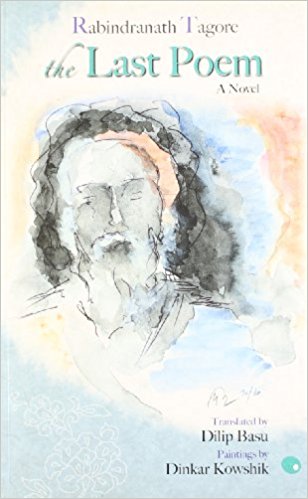
Tagore and translation has had a tenacious relationship over the years. While an English translation of his own work won him the Nobel, some of Tagore’s English writer friends turned against him for trying too hard to cater to English tastes.
2013
The name of Sunil Gangopadhyay (1934-2012) has become iconic in contemporary Bengali literature, and his passing marks the end of an era. A prolific writer, he will be remembered for his poetry, novels, stories and essays, but most of all for his ability to bridge the gap between elite and popular culture.
Deliverance opens with a one-line letter written by two sisters, Mimi and Shami, to various people across the world—Ranju, Janaki, Toshi-Ojisan, Yoshiyo-Hisayo, and Dr. Abhi—about their parents’ death.
Ganesh Prabhakar Pradhan (1922-2010) wrote the first draft of the book under review during a term of imprisonment of eighteen months during the Emergency in 1975 (he completed it in 1979).