Kaka Vidhate. Translated from the original Marathi by Vikrant Pande

You are not alone when you read the Mahabharata. You are in the shadows cast by millions who have heard or read the tale before you. The Mahabharata has evolved over centuries with both the tellers of the tale and the listeners enriching it. It has made the transition from oral telling to inscription…


Reviewed by: Ravi Menon
Vishwas Patil. Translated from the original Marathi by Vikrant Pande

Vishwas Patil  is well known in Marathi for his historical novels viz. Panipat and Sambhaji, which bring alive some tragic chapters in Maratha history that still rankle in the Maharashtrian subconscious. Whereas Panipat narrates a tale of an agonizing defeat of the Marathas at the hands of Ahmadshah Abdali…


Reviewed by: Maya Pandit Narkar
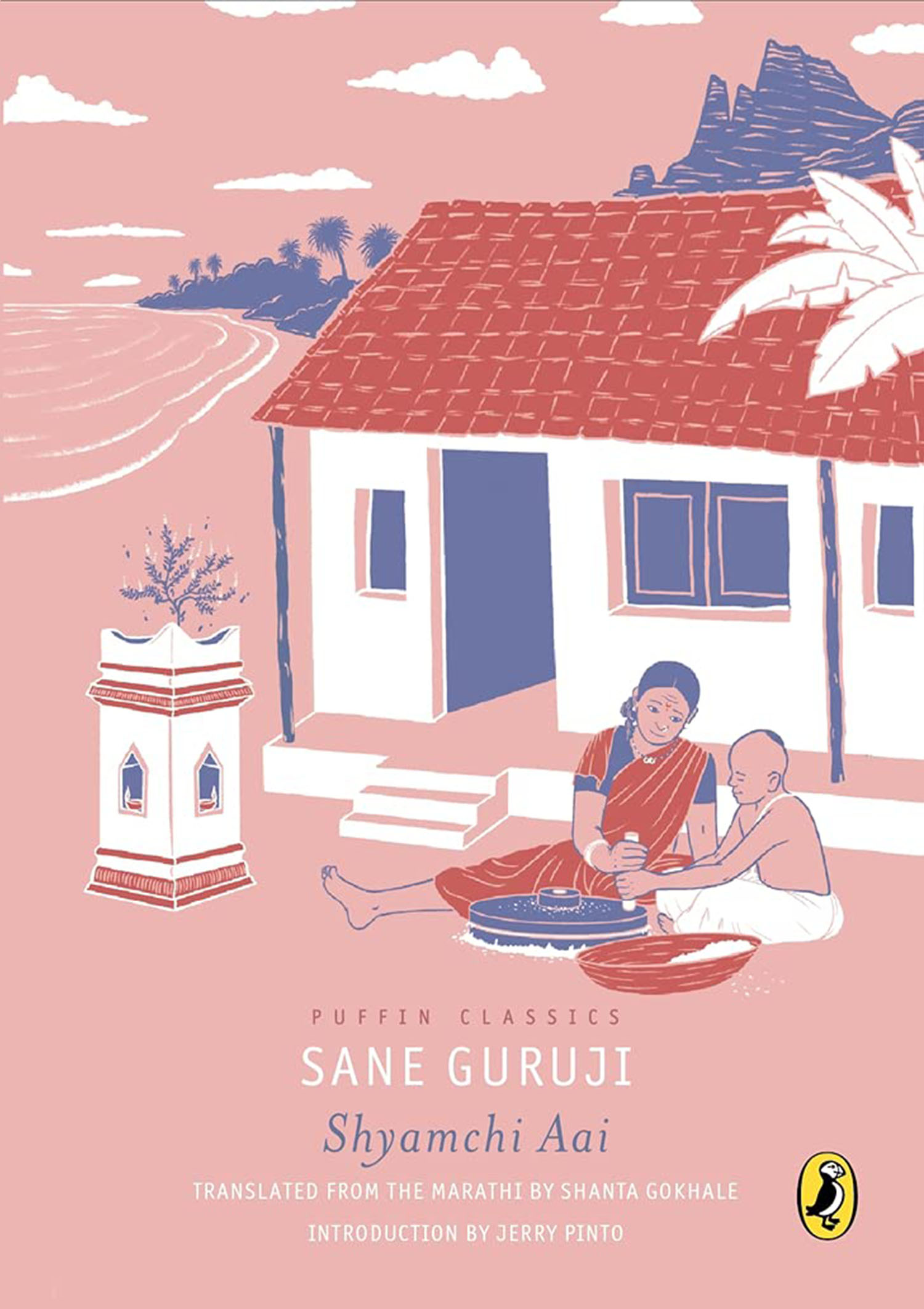
Sane Guruji. Translated from the original Marathi by Shanta Gokhale. Introduction by Jerry Pinto

We are a nation that thrives on nostalgia. An eagerness to view our past as glorious and some bygone era as the Golden Age seems endemic today. Psychologists or neuroscientists might explain this as a phenomenon arising out of an inferiority complex, or as an escape mechanism to counter…


Reviewed by: Abhijeet Ranadive
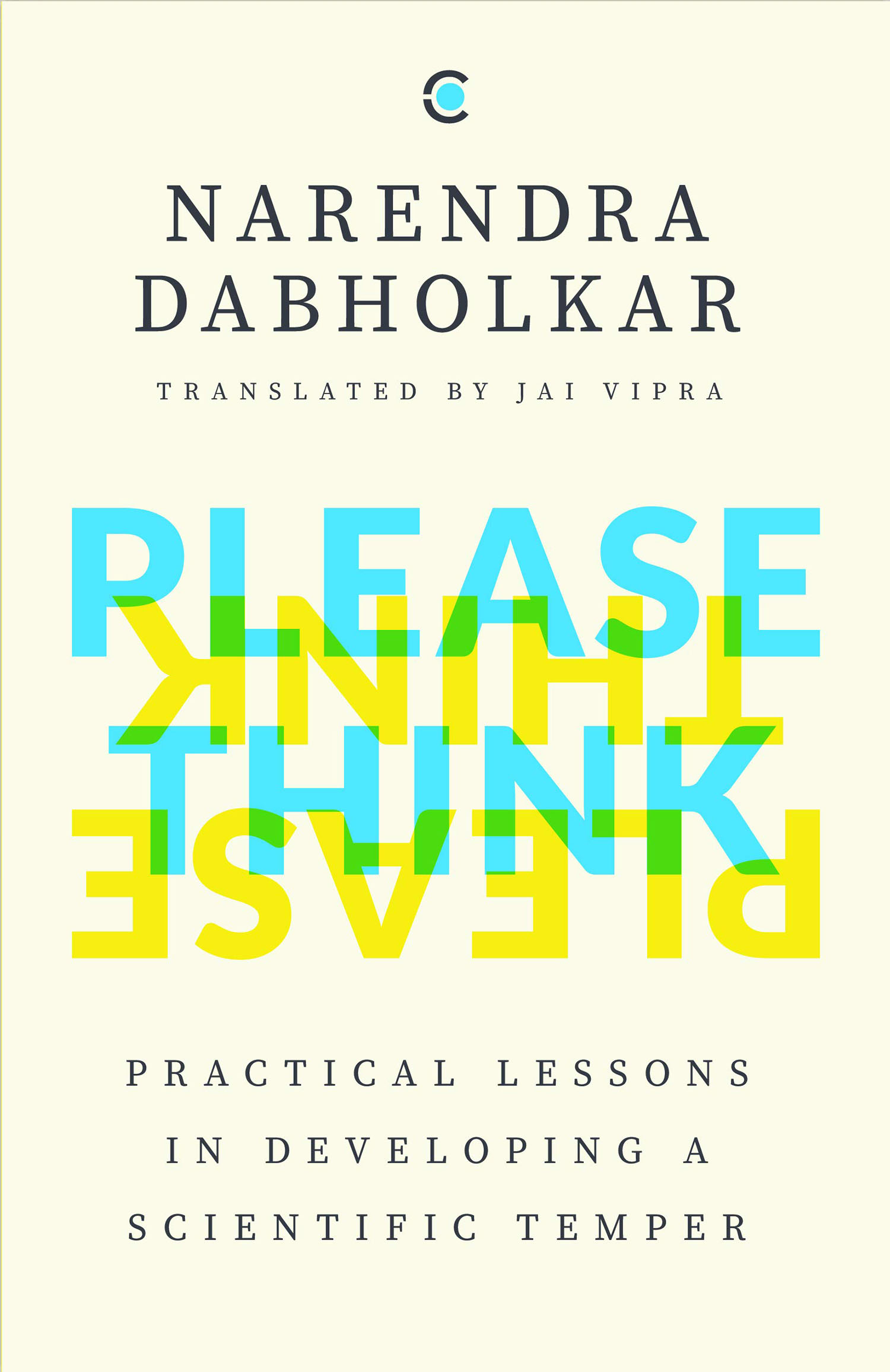
Narendra Dabholkar. Translated from the original Marathi by Jai Vipra

If one goes by the deluge of WhatsApp videos, Tulsishyam in Gujarat beholds a mysterious power. Things seem to roll uphill, defying gravity and our common sense. Vehicles, with the engine switched off and placed in neutral, on their own roll uphill. From mystifying ‘anti-gravity’ to magnetic or gravitational anomalies…


Reviewed by: TV Venkateswaran
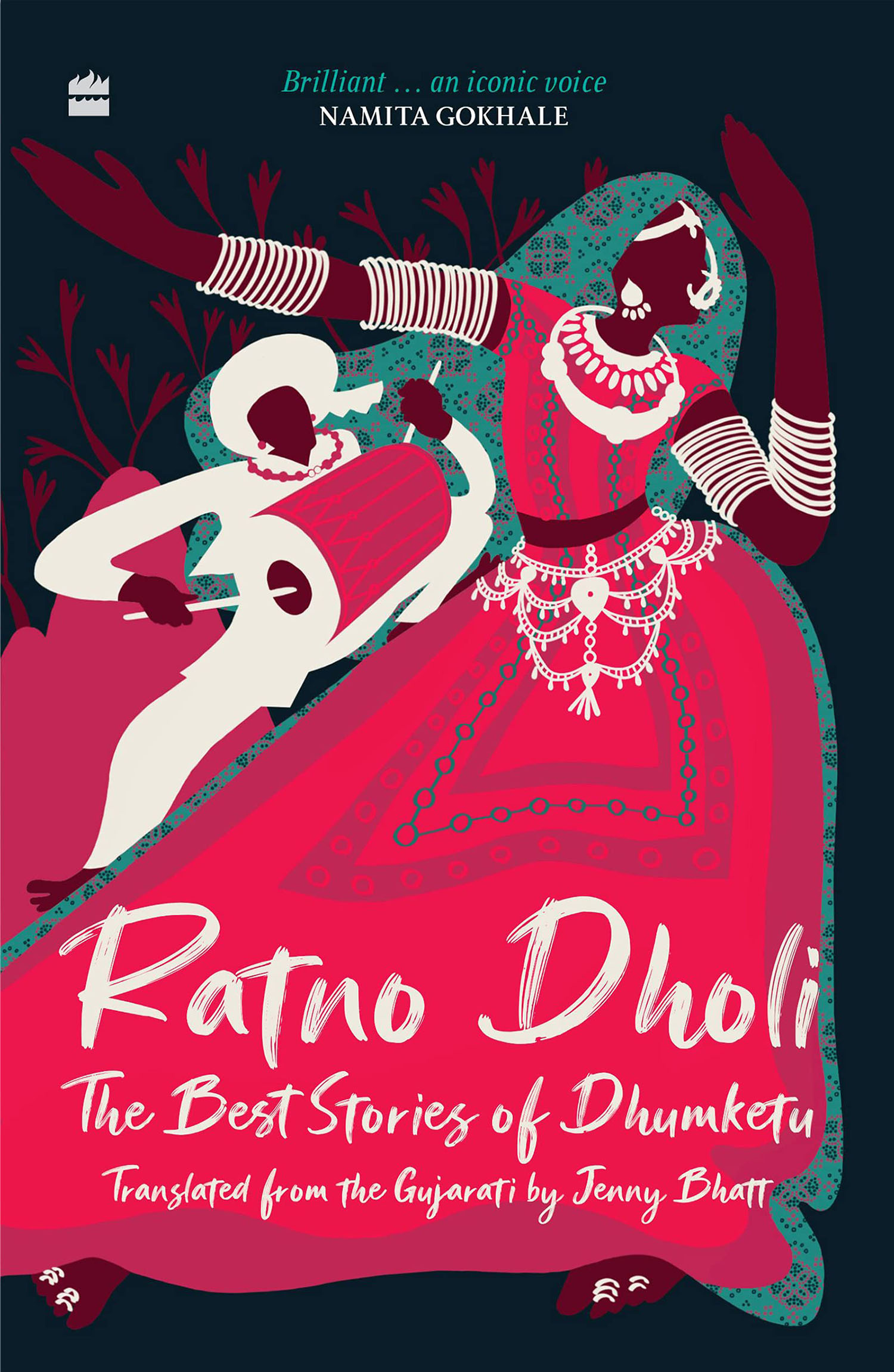
Jenny Bhatt

Acollection of short stories by Gaurishankar Govardhanram Joshi, popularly known by his pseudonym ‘Dhumketu’, one of the most significant and prolific writers in the history of Gujarati literature, translated into English is certainly a cause for celebration.  It is important because without such an initiative…


Reviewed by: Pratishtha Pandya
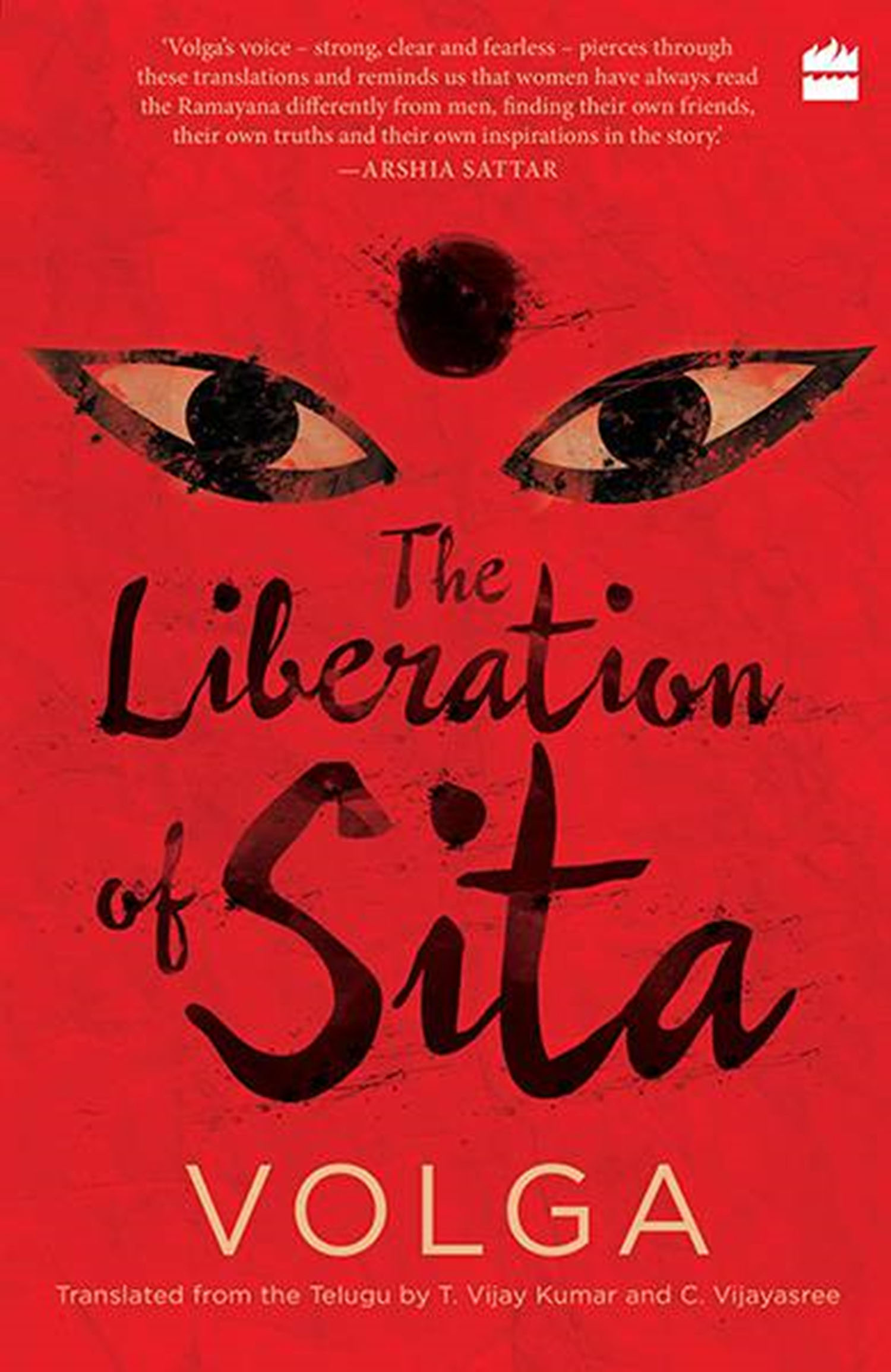
Volga. Translated from the original Telugu by T. Vijay Kumar and C. Vijayasree

Greg Salyer (2017), in his lecture ‘Myth and Hinduism’, attempts to create an archeology of myth by defining it at three levels. Firstly, he understands ‘myth’ (in the lowercase) as a false story. In popular culture, especially in social media, we perhaps use it the most. The often-used phrase ‘myth-busting’ covers some aspects of this definition…


Reviewed by: Umesh Kumar