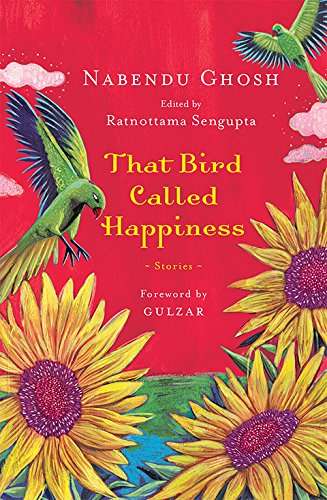
Like a skilled gem cutter, Nabendu Ghosh in his short story collection That Bird Called Happiness: Stories facets and cuts that universal yet complex emotion called Love until it sparkles with brilliance, throwing a different light in each of the stories.
2018
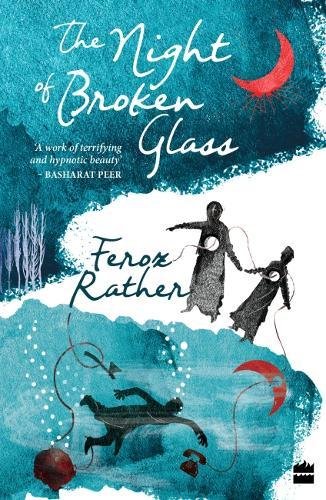
Wars come and wars go. Some die, some survive. The dead are supposed to be mourned and the survivors expected to move on. Wars are routine affairs in, as we habitually say, the post-1945 world. By their very banality, wars compel us to treat them as such. The force of banality is so tremendous that we are tuned and sometimes choose not to see it all.
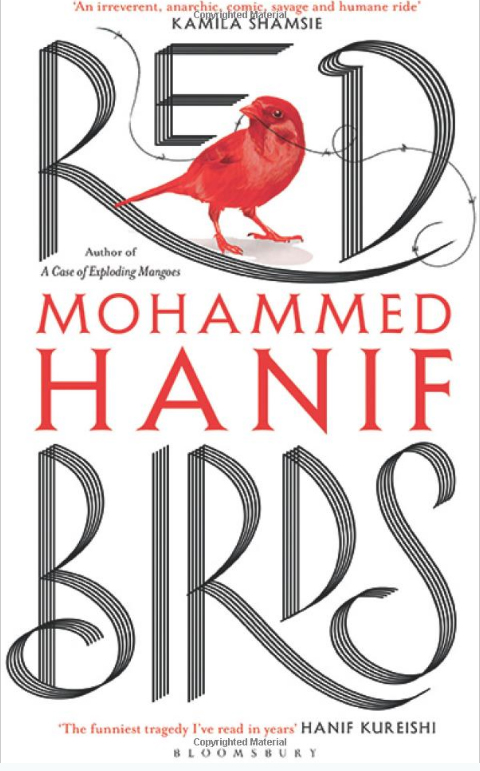
How do you write about violence without being didactic or banal? Living as we are today in a world spiralling into deeper gyres of conflict, how do you represent the slow unravelling of the self fronted with pain and loss beyond control, beyond comprehension, beyond understanding? Bombarded with a constant battery of sound and image, of urgent words tearing across our networked minds, it is increasingly difficult to sustain interest—to say nothing of outrage.
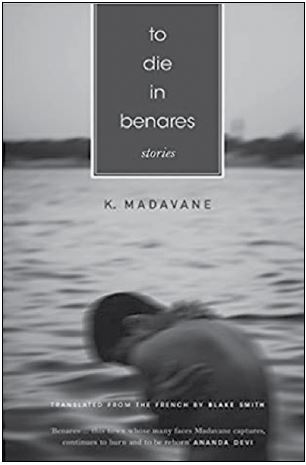
Benares or Kashi or Varanasi is a revered place in Hindu religion. A city located on the banks of the river Ganga in Uttar Pradesh, it is regarded as the holiest of the seven sacred cities (Sapta Puri) in Hinduism. Hindus believe that death in the city brings salvation for the soul, thereby making the city a major pilgrimage centre. Of particular note in the city are its ghats, where various religious ceremonies take place.
If you are at that stage in life where you are looking back and reminiscing about your journey called life so far, well then this collection of twenty translated stories is for you. Saikia’s stories are like a soft breeze wafting across you brushing away the cobwebs of forgetting and reveal emotions, long buried passions, and the whisper of dreams long forgotten.
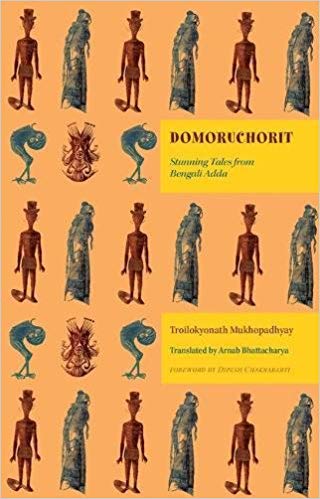
Domoruchorit by Troilokyonath Mukhopadhyay is a collection of seven stories describing the incredible adventures of Domorudhor, located in the outskirts of Kolkata at the turn of the nineteenth and twentieth centuries. Dipesh Chakrabarty’s introduction discusses the folkloric tradition that is discernible in the text, and places it in the tradition of novels in which the protagonists narrate tall, exaggerated tales about themselves.