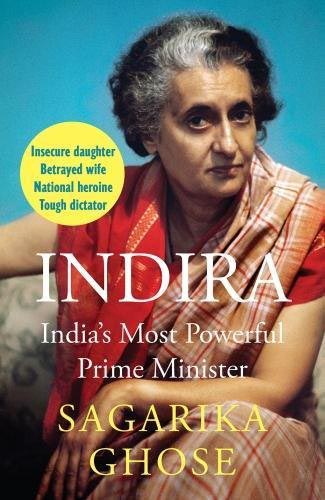
There is no dearth of biographical accounts of Indira Gandhi (1917–84), and there lies the challenge before the author Sagarika Ghose, a journalist and novelist, as to what new could she offer. One of the identifiable novelties of this portrait is a creative style of beginning and/or ending the chapters with a letter from the author to the departed soul.
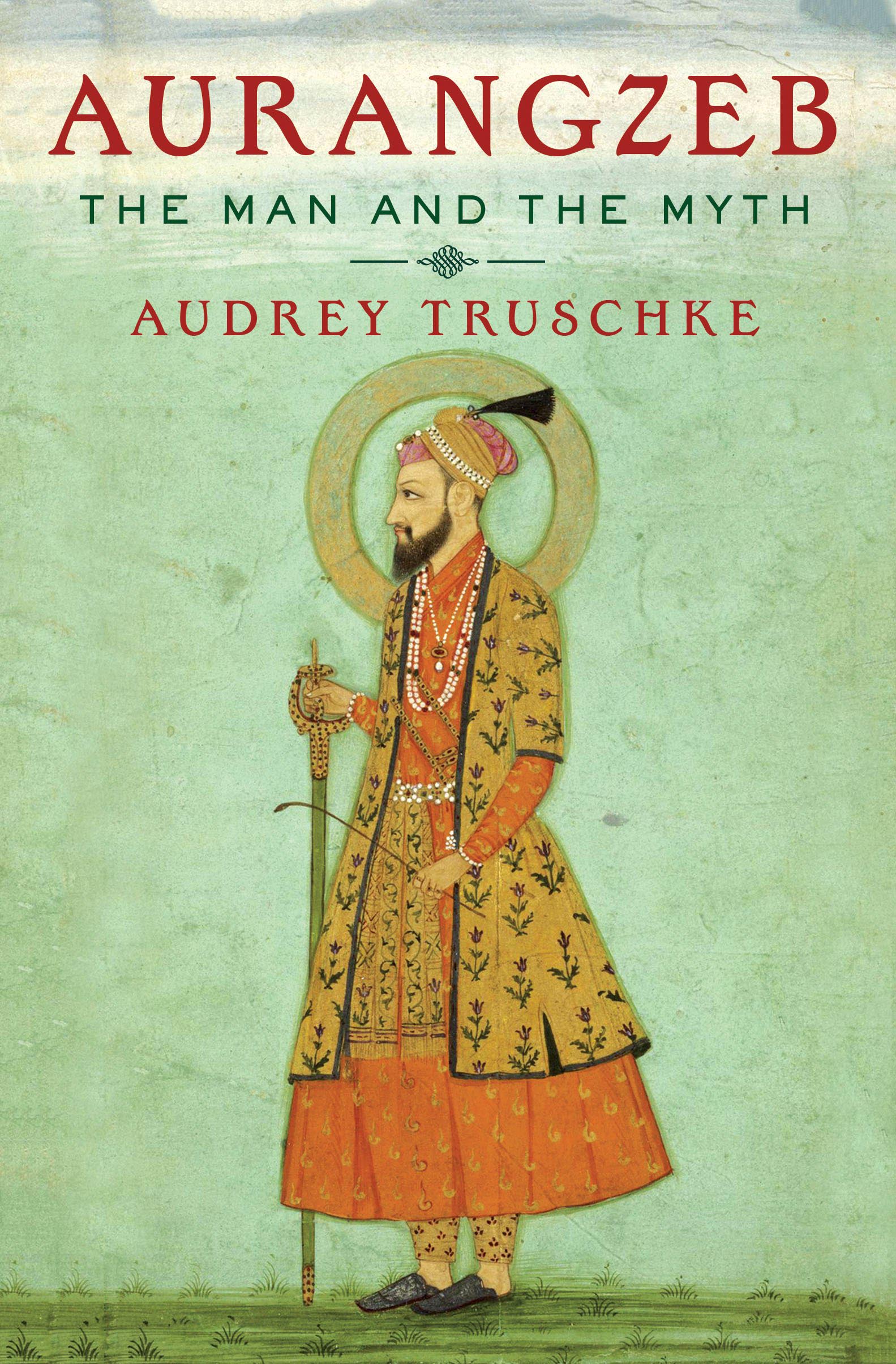
Both Audrey Truschke and her book Aurangzeb have garnered much attention. A number of interviews of the author, reviews of the book, and other promotional material are circulating widely on the internet.
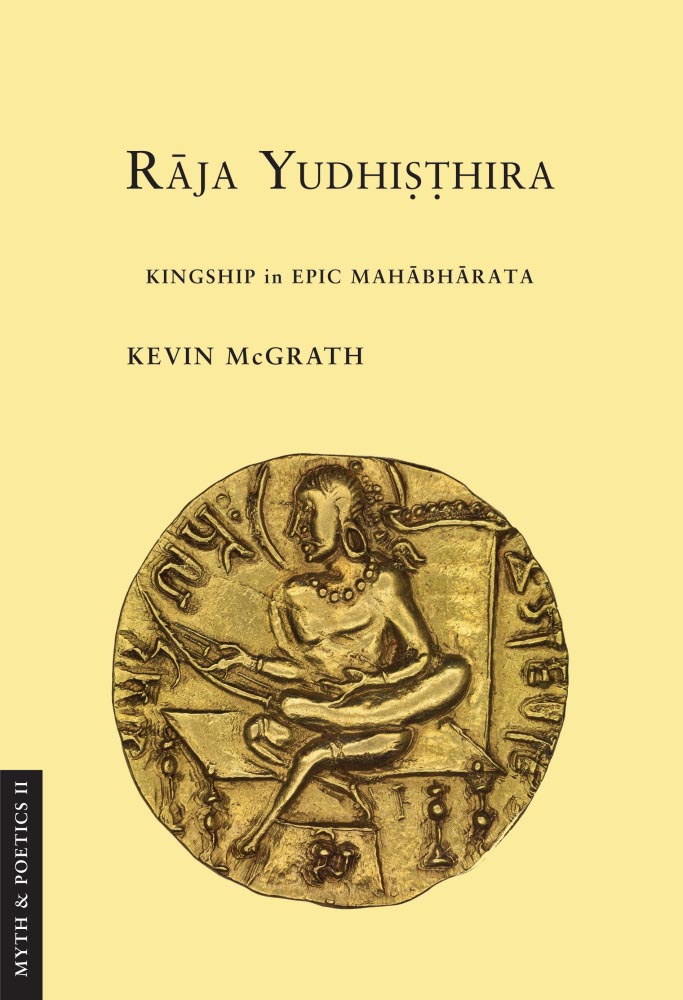
Kevin McGrath’s analysis of Yudhishthira’s complex personality is refreshingly free from hagiography; at the same time, the text balances lucid scholarship with a compassionate, nuanced view of its subject.
McGrath points out that neither of the warring sides of the royal Hastinapura clan (Pandavas and Kauravas), wins in the end—rather, it is Krishna’s Yadava lineage that achieves lasting success.
The Institute of Defence Studies and Analysis (IDSA), New Delhi, is mak-ing a remarkable tribution to Kautilya studies. The IDSA Library runs a ‘Kautilya Desk’, storing a growing body of new material, in a spirit of dedication. A contributor to this volume, Col. Pradeep Gautam (Retd.), supported by the current and former IDSA Directors and others, supervises this project.
Among the many qualities of Piyush Daiyas book of conversation with artistAkhilesh, the most inspiring is his ability to efface his minutest traces from the text. The entire dialogue comes across as a selfrevelation by the artist, as if he conversed with himself in the darkness of a summer night, or standing against his canvas, and Piyush merely overheard him.
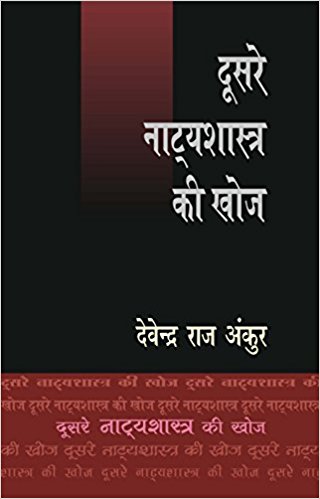
What Bharat wrote about theatre has always been discussed as a theory of poetics by critics like Abhinav Gupta, Dhananjay, Bhatt Nayak, Bhatt Lolak and others. This tradition has travelled right up to our contemporaries like Dr. Nagendra. Did this tradition benefit either poetry or drama, the present author, Devendra Raj Ankur, asks.