The title of the book in discussion is indicative of the foundational tenet of the volume. The point of departure is to accept ‘right to work’ fundamentally as an issue of justice with reference to the rural communities of India.
Why, in a period of sustained national economic growth, have Indian agriculturalists been committing suicide in such larger numbers? And what might these acts signify with respect to the challenges facing rural India at this moment? These are some of the pressing questions A.R. Vasavi’s Shadow Space seeks to answer. Through six closely related essays, each of which takes up a different aspect of this crisis, Vasavi contends that the suicides express the marginalization of vulnerable agriculturalists within a political economy that has neglected their welfare. In laying out this argument, Vasavi has produced a work that is both meticulously researched and passionately argued—one that is indispensable for understanding the momentous shifts currently underway in Indian agriculture.
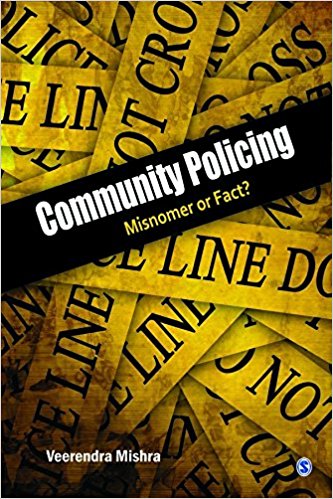
Community policing has several meanings. To begin with, it refers to a process of taking policing back to citizens, for according to some scholars, that is where it began as a measure of public safety even before states and regimes appropriated this role and created a ‘police force’ for maintenance of public order and, of course, for their own protection.
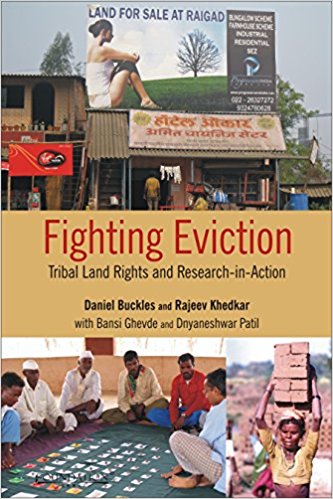
The age of liberalization, privatization and globalization has raised a number of issues, which are central to the tribal life in India. One such important issue is the land question, which is generally considered as a ‘philosophy of tribal life’.
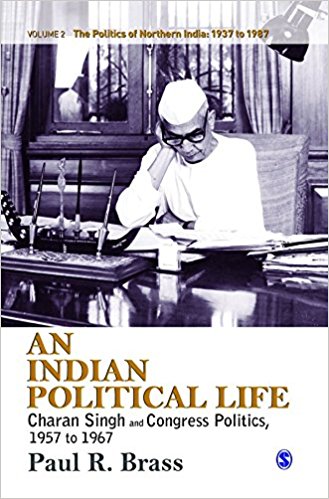
Paul R. Brass’s mega project on ‘The Politics of Northern India: 1937-1987’ is steadily progressing. His style is unique, focusing on the second rung of leaders who played a vital role in the pre-Independence period and immediately thereafter.
Two more books to the Gandhi shelf! Looks like a library will not be enough to house books on and by him. Yet Gandhi is never going to cease to be an enigma.