The name of Satyajit Ray, the famous filmmaker is known to film lovers across India. But most Bengalis of my generation would know that Satyajit Ray (1921–1992) was far more than an extraordinary filmmaker. He was an immensely talented music composer, a best-selling writer and one of Bengal’s most gifted illustrators and typeface designers.
M.K. Ranjitsinh’s timing is impeccable. He joined the IAS in 1961. Having gone through the obligatory training and having started his climb up the administrative ladder in the State of Madhya Pradesh, he fulfilled his childhood vow to become the Collector of Madla in 1967. Just when the last 66 barasinghas were at the fag end of their struggle for survival at Kanha enters the one Collector who had an interest in wildlife and was familiar with village resettlement for conservation (from Dungarpur and Dachigam). Supported by his superior, the redoubtable Mahesh Buch, he resettles the villages located on the Sonph grassland (an unprecedented exercise) and the barasinghas begin their recovery.
A Passionate Life is a collection of essays on Kamaladevi Chattopadhyay, edited by Ellen Carol Dubois and Vinay Lal. Here is a woman, born in 1903, in a rural area in South West India, not only breaking every social and cultural norm of that era, but walking into the highest places in India’s freedom struggle. There are hardly any substantial writings by the prominent modern history scholars on this woman’s life.
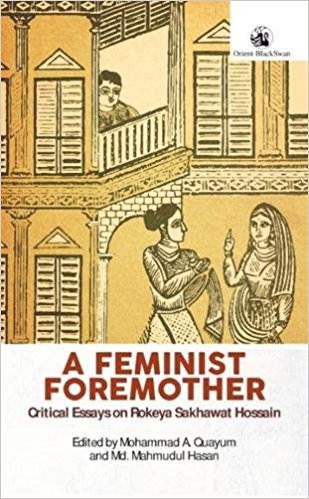
Rokeya Sakhawat Hossain was first and foremost a very courageous woman who dared to fight against all odds and achieve for women a status of dignity, self-reliance and creative agency in a time and milieu that was hostile, inhospitable and even against the equal rights of men and women.
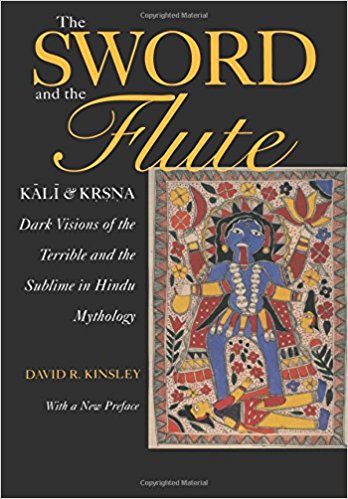
David Kinsley says in his preface that he came to Calcutta to undertake research on the Bengal Vaishnavas—‘and it was with some eagerness that I anticipated seeing Krsna expressing himself in a cultic context’. Then he tells us about the tumultuous celebrations of Durga Puja he saw, finally how ‘in the rear…
The structural violence at both the public and personal levels that Indian women face routinely in the physical world has taken the better part of four decades to recognize, articulate and resist. Today, it continues to remain one of the biggest crises of Indian social life, taking on new forms and permeating new ecologies. Foremost among these new ecologies is the cyber space.