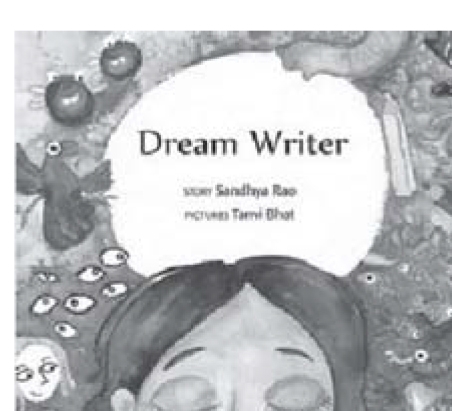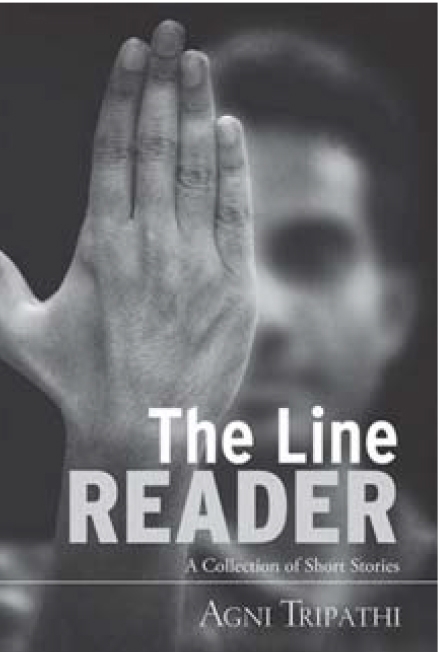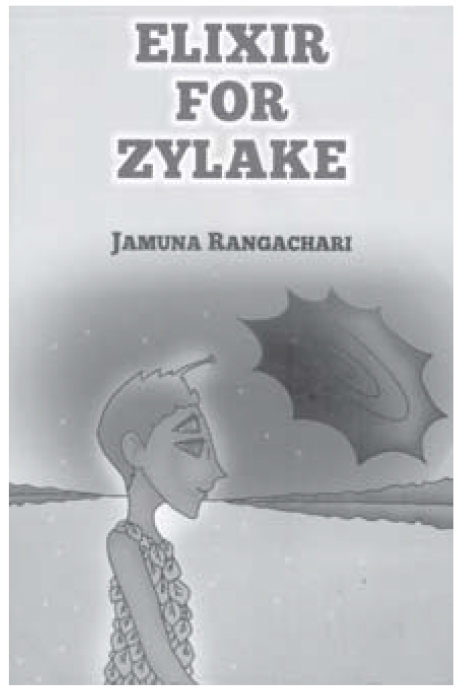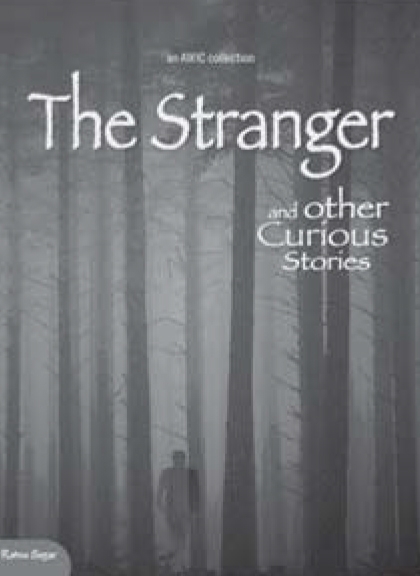
There are three special things about the book under review, the last two of which are interconnected. To begin with the first: its description of a battle for Daruchhian between its well-entrenched Pakistani defenders and an Indian infantry battalion of the Grenadier Regiment. Daruchhian is a hill feature across from Poonch on the Pakistan Occupied Kashmir side of the Ceasefire Line—as the Line of Control (LC) was termed then.
The pandemic unveiled the system’s frailty, the dire need to develop a complementary long-term relationship between humans and the environment, and solutions for the crumbling system. Throughout the centuries, the debate of religion and science has been dominant in the discourse, providing a systematic and lawful way to sustain society.
The birth centenary of Satyajit Ray (1921-1992) has spawned a torrent of activities. Despite governmental indifference, there has been an outpouring of books, journals, articles, exhibitions and the like, by individuals and private institutions on arguably the most creative and composite artist of Independent India.
The Queen of Indian Pop: The Authorized Biography of Usha Uthup is a faultless English translation by Srishti Jha of her father Vikas Kumar Jha’s original Ullas Ki Naav in Hindi. Both titles are appropriate for summarizing Usha Uthup’s journey. The book has a distinction in the sense that it has been able to address the conundrum.
Audiobooks and dubbing films for regional audiences in India are opening up a whole new market for people whose vocal cords are their raison d’etre. PC Ramakrishna’s book Find Your Voice: A Definitive Guide for Stage Actors and Voice Professionals could not have come at a better time for voice artistes. The first of its kind in India, the book is an excellent mixture of the theory of Voice and how to cultivate and preserve it, as well as nuggets on the features of the field of Voice.
Like the Draupadi and Sita that she created in her memorable novels, Chitra Banerjee Divakaruni emerges in this book as a strong and questioning woman who turns received knowledge on its head. A compendium of academic essays on her works captures the genres of novel, short story and poetry while the interviews with Divakaruni along with her autobiographical note give this book an admirable range.