
Mushirul Hasan
Third Frame: Literature, Culture and Society, a new quarterly journal seeks, according to its editors, to provide a platform for ‘voices and concerns from developing societies’.
Reviewed by: Chitra Harshvardhan

Third Frame: Literature, Culture and Society, a new quarterly journal seeks, according to its editors, to provide a platform for ‘voices and concerns from developing societies’.
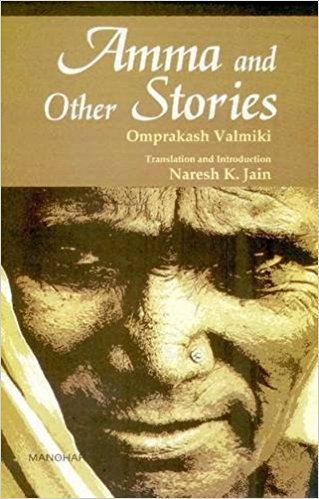
The knowledge of the universe in the social sciences can be divided into two exclusive spheres—normative and creative. Both provide an understanding of the history, economy, culture and politics of existing societies.

Poetry, lest it should sublimate into a rarefied expression beyond the possibilities of participation, needs to be recovered from the excesses of soulful profundities. If the ‘novel’ de-escalates the epic imagination, poetry in its march in the domain of the secular, too peels off the sedimentations of sublimity.

Edna Fernandes, a British Indian journalist, has written about the Kerala Jews ‘charting their rise and fall, from their heyday to a decline in the twentieth century and the twenty-first century denouement’.
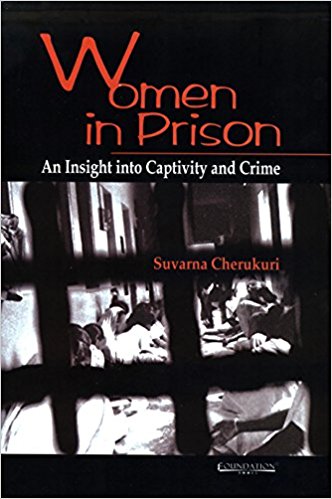
Fieldwork in a ‘total institution’ is perhaps among the most challenging sites for ethnographic exploration and Suvarna Cherukuri’s attempt to represent the lives of women in a prison in India, is commendable for taking up this challenge.
This collection of 17 articles (including the introduction) is a must read for feminists, law reformers, lawyers and judges. It compiles a range of perspectives on the social and juridical frameworks of rape in complex and yet accessible ways.