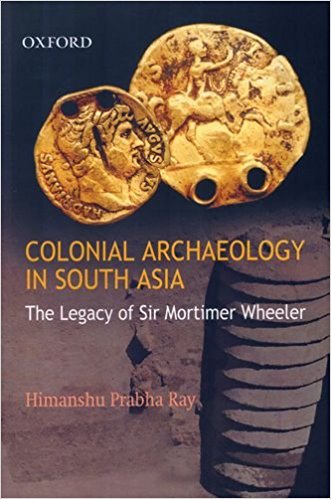
Himanshu Prabha Ray
This is the third in a spate of books dealing with colonial archaeologists, following on the heels of those which concentrated on Alexander Cunningham and John Marshall.
Reviewed by: Jaya Menon

This is the third in a spate of books dealing with colonial archaeologists, following on the heels of those which concentrated on Alexander Cunningham and John Marshall.
You have to be a reviewer to read this book to the end, and a conscientious one at that! David Davidar has come up with one of the more tedious Indian English novels, one that does not reward the reader with new insights or the pleasure of enjoying accomplished use of language but perhaps affords only with a sense of virtue that one has actually read a book from beginning to end even though it has only very very occasional sparks—it is only sometimes that the language works, only sometimes that you think that the book may contain anything at all (only to be disappointed).
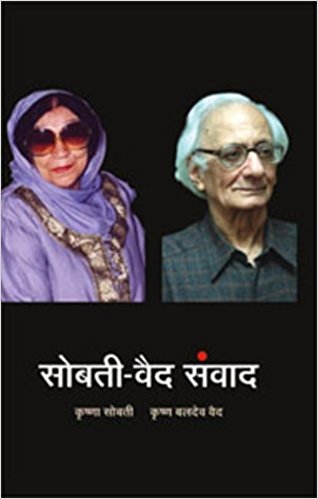
Sobti-Vaid Samvad ushers in a novel critical genre within the domain of Hindi literary-criticism. Here two literary stalwarts of Hindi literature, Krishna Sobti and Krishna Baldev Vaid, inspired by the intellectually stimulating surroundings of IIAS Shimla, enter into a significant dialogue on the intricacies of life and literature.
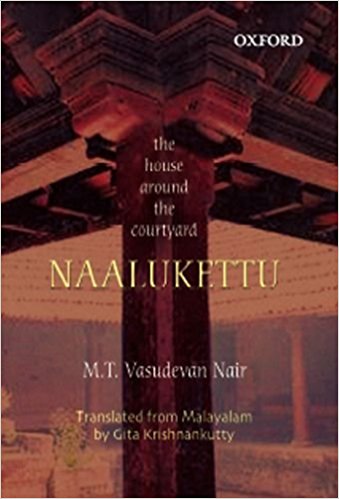
It is half a century since M.T. Vasudevan Nair—fondly called ‘M.T.’ by Malayalees—began his career as a novelist with his debut work Naalukettu. As OUP India now brings out its translation, Naalukettu: The House Around the Courtyard, it becomes a magnificent marker of M.T.’s literary jaitrayaatra (triumphal march) down the last five decades
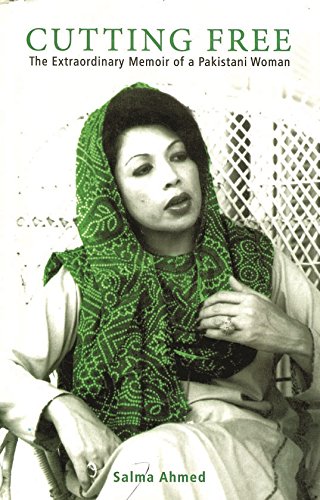
I read Salma Ahmed’s book around the same time as I was reading the story of another Pakistani woman, Mukhtar Mai. The two stories, both about women battling against difficult odds, could not have been more different.
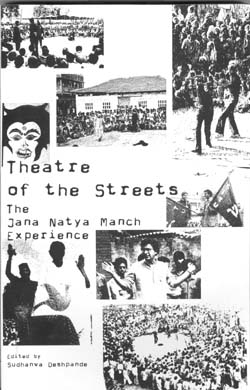
Street theatre in Delhi is synonymous with Safdar Hashmi. He was a gifted and committed artiste who spent his tragically short life in taking theatre to the workers and toilers, the poor and the dispossessed.