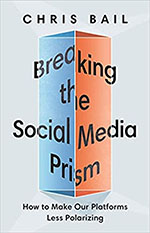
Chris Bail

Chris Bail’s Breaking the Social Media Prism: How to Make Our Platforms Less Polarizing is an attempt at understanding and breaking the social media echo chamber. Bail is a Professor of Sociology, Public Policy, and Data Science at Duke University, where he directs the Polarization Lab. At the lab the team endevaours to diagnose the problems with social media platforms using scientific research and builds new technology to reverse the course. Over the years, the team has collected hundreds of millions of data points that describe the behaviour of thousands of social media users over multiple years.


Reviewed by: Juhi Bansal
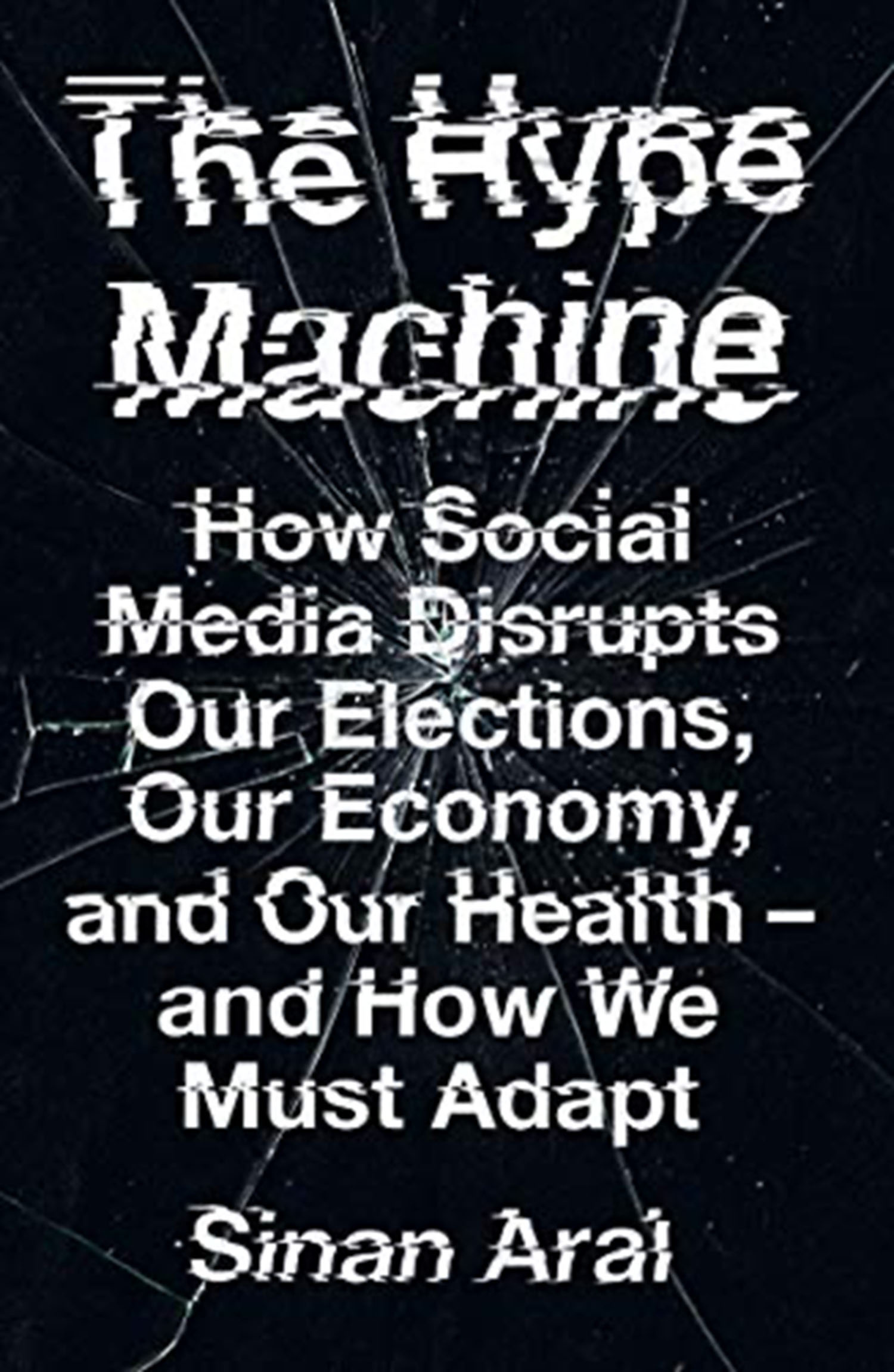
Sinan Aral

Sinan Aral in his book delves into the complex relationship between humans and social media. He describes the communication ecosystem created by social media as the ‘Hype machine’ and examines its potential for both promise and peril. Aral provides an ‘insider perspective’ and offers insights on the inner workings of social media, while also addressing its impact on decision-making, choices, and society.


Reviewed by: Tejasi Panjiar
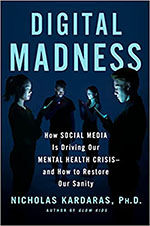
Nicholas Kardaras Ph.D

It requires peculiar skill to write an empty book about one of the biggest burning issues of our time. Nicholas Kardaras’s tedious, grating and sermonistic Digital Madness riffs and rants on the ills of our hyper-connected digital-first world without offering new information or insight. It took me back to the early days of the pandemic when India’s Prime Minister Narendra Modi urged citizens to take a stand against the Coronavirus


Reviewed by: Shubhodeep Pal
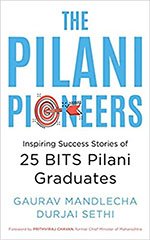
Gaurav Mandlecha and Durjai SethiPan

The Indian start-up ecosystem is known for its cutthroat competition. With an increasing number of start-ups entering the market, the level of competition has become extremely fierce. It is not just about having a great idea, but also about executing it well, and that too in a crowded market. Entrepreneurs are constantly facing the challenge of standing out from the competition, and it can be difficult to attract the necessary investment and talent to grow their business. Additionally, the Indian market is known for its price sensitivity, which can make it hard for start-ups to build a sustainable business model.


Reviewed by: Rhea Yadav
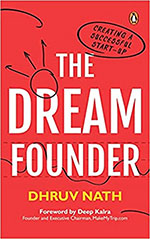
Dhruv Nath

At a time when India’s start-up scene is thriving and its founders are making headlines for their tenacity and inventiveness, this book, an engaging result of the ‘bearded professor’ generously spilling the beans on his decades of expertise, is a good addition to the literature for those of us who are interested in the nitty-gritty details of running a company.The author starts with the concept of a ‘Dream Founder’, taking us through real life stories of Instamojo and ‘iDream’, the latter a start-up providing educational solutions to rural India.


Reviewed by: Debarpita Pande
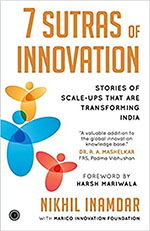
Nikhil Inamdar

This winter when I came across an appeal for donation of woollens and other material from an NGO on an online platform, instead of scrolling down listlessly, I was quick to devise a plan to source these from my locality and deliver them to their centre. The trigger behind the action came from Nikhil Inamdar’s powerful narration of the organization’s backstory that created an understanding of how small steps can lead to a big impact for communities at large, in ways which we clearly are unaware of and perhaps too immersed in our urbane, rushed lives to care for.


Reviewed by: Vanshree Agarwal