Qurratulain Hyder

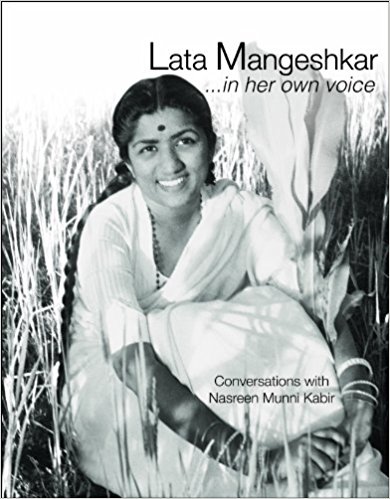
Qurratulain Hyder, fondly known as Annie Apa, seems to be so present in her different characters in the novel Chandni Begum that meeting them in the novel brings back fond memories of her. Particularly in this novel in its English avatar, that emanates the Lucknavi ambience she understood so well.


Reviewed by: Sukrita Paul Kumar
Khalid Jawed

‘Each day, we wake slightly altered, and the person we were yesterday is dead. So why, one could say, be afraid of death, when death comes all the time?’ —John Updike. The fear of death is the most confounding of all fears. And also the most compelling. For, death is a certainty, a foretold conclusion of a life, any life. That which is born must die yet the feelings and emotions death evokes surpass the beauty and mystery and grief of life.


Reviewed by: Rakshanda Jalil
Shamsur Rahman Faruqi

This is a collection of five long stories, rendered into English by the author himself, who first published it in Urdu in 2001 from Karachi, and, from Allahabad in 2003, with title, Savaar aur Doosray Afsanay (lit. The Rider and Other Stories). It is set in the 18th-19th centuries north India, specifically the region stretching from Delhi to Bihar.


Reviewed by: Mohammad Sajjad
Jameel Akhtar

When Jameel Akhtar took on the Herculean task of interviewing Qurratulain Hyder at length, her initial reaction was, ‘I don’t give interviews. I’m fed up with people. All those stupid boring questions, the same old stuff repeated over and over again, talking rot—No! No!’


Reviewed by: Saleem Kidwai
Asif Farrukhi

For avid readers of Urdu who may not be its scholars, Urdu prose, especially,
genres such as short stories and novels mostly trigger the names of Prem Chand, Qurratulain Haider, Saadat Hasan Manto, Ismat Chughtai, Rajender Singh Bedi, Krishan Chandar and the like.


Reviewed by: Gauhar Raza
Carlo Coppola

The All India Progressive Writers’ Movement (AIPWM) has engendered much interest among scholars and academics. Most histories and critical estimations of Urdu literature dwell on the radicalization it brought about.


Reviewed by: Fatima Rizvi