Abeysekera has given us a cogent political anthropological study of postcolonial ideological formations in the guise of an anthropology of religion in Sri Lanka. He explores these formations in chapters on the relation of theories of religion
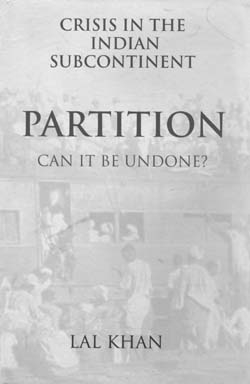
Contemporary writings have enormously widened and enriched the field of ‘Partition Studies’, shifting the focus away from the politics of the ‘high table’ to subaltern perspectives, from meta-narratives to the regions partitioned and from attention to the causes of partition to concern about its human consequences.
Seven of the nine contributions to this collection of essays were presented as papers at a workshop held in Oxford in 2004, sponsored by the Coventry University South Asian Studies Centre and Balliol College, University of Oxford. Editor Ian Talbot
Anthony Low in dramatic syntax announces in his fore- word that the academic world of post-1947 Indian subconti- nent was dominated by political ‘scientists’, while historians only dealt with events happening prior to that year.
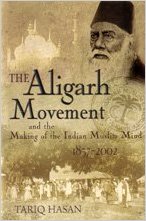
The Muslims after the Indian Mutiny ceased to be the country’s ruling class and became one of the many minority communities. It was not only a change of status in political and social standing but the new rulers of the country also distrusted the community under the mistaken belief of it being the perpetrator of the armed convulsions in 1857 against the growing might of the East India Company.
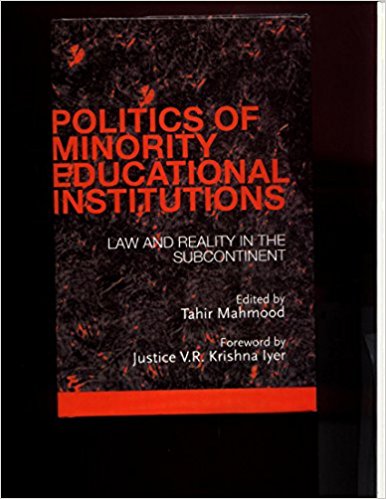
If you want to understand the background to the recent brouhaha over the admission policy of St Stephen’s College, here is the book for you. Contributors to this volume—all eminent legal experts, scholars, judges, administrators, and educationists—weigh in with their analyses of what plagues minority education in South Asia.