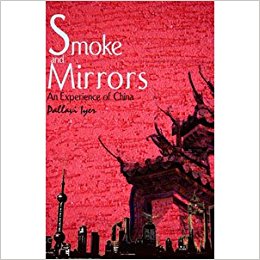
Pallavi Aiyar
Reporting from China has always been a fascinating experience. Nevertheless, much as in ‘area studies’, western- and-ethno-centrism and value-judgements dominate analyses by foreigners on China.
Reviewed by: Srikanth Kondapalli

Reporting from China has always been a fascinating experience. Nevertheless, much as in ‘area studies’, western- and-ethno-centrism and value-judgements dominate analyses by foreigners on China.
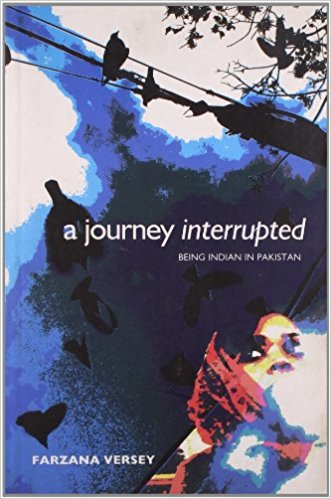
A Journey Interrupted is a secular version of nineteenth-century Indian women’s hajj narratives in which their sense of their Indian identity became stronger and stronger as their pilgrimages proceeded.1 At its simplest,
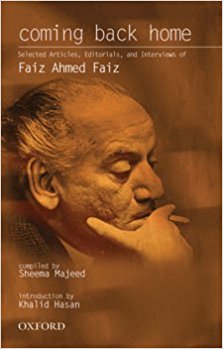
‘Politics and history are interwoven, but not commensurate,’ said Lord Acton (1834-1902) in his inaugural lecture as Regius Professor at Cambridge in 1895. So also are politics and prose, and, in the worst of times, politics and poetry.
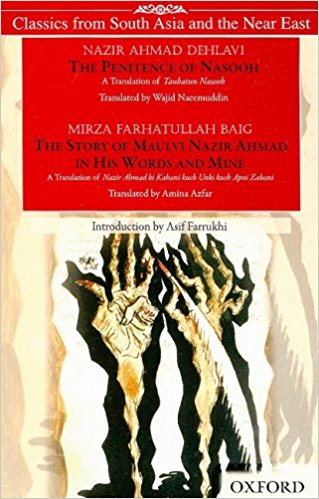
Oxford University Press, Karachi, has put together a translation of two books (almost two books, since the second can perhaps qualify only as a booklet) which are related to each other in more ways than one.
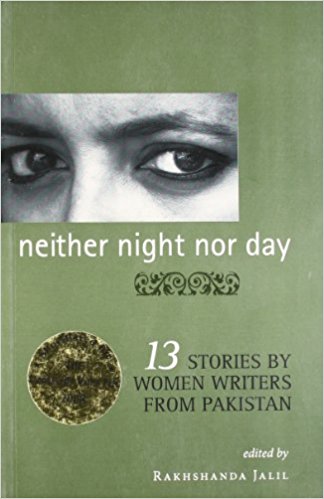
In Indian discussions of Pakistani literature, writings in Urdu and English tend to occupy centrestage, certain specific themes and issues are favoured by the critical establishment, and the works of women writers, barring a few well-known names, receive scant attention.
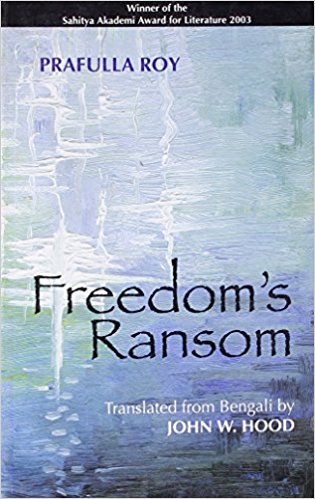
The original Bengali name of the translated book, nowhere cited by the translator or publisher is Akasher Niche Manush (People under the Sky). Prafulla Roy won the Sahitya Akademi Award for Bengali in 2003 for his Krantikal.