
Erik Reinert, Jayati Ghosh and Rainer Kattel
The Handbook of Alternative…
Reviewed by: Arindam Banerjee

The Handbook of Alternative…
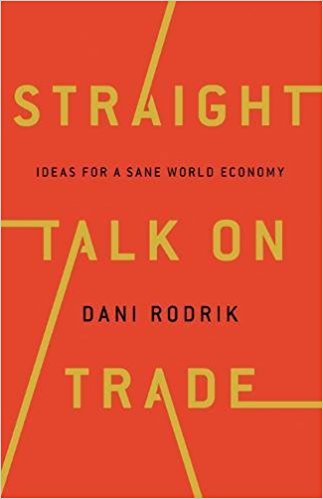
Set against the backdrop of Donald Trump’s presidency and the Brexit vote, Straight Talk on Trade, the latest book by Dani Rodrik, is an attempt to ‘set the record straight’ on trade—about how (mainstream) trade economists should have listened to their critics who warned about trade imbalances and job losses, instead of sticking to economic models…
Economic growth is often considered as one of the most important indicators to measure the success of an economic institution. While few would disagree with the importance of growth, the bone of contention would be how to achieve it and at what cost. In economics the concept of growth is linked with the idea of efficiency.
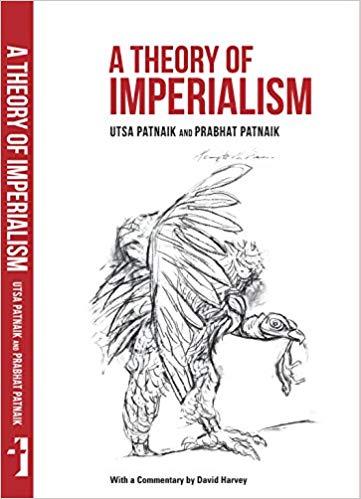
Marxist conceptions of imperialism as something systemically connected to the capitalist mode of production have focused on examining how the fundamental tendencies of the capitalist mode express themselves concretely in history when the necessary accompaniment of the mode—a class state—is national.
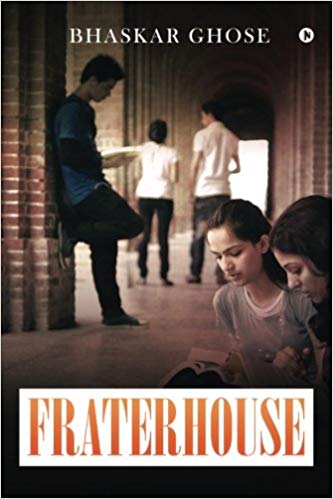
This book by Bhaskar Ghose, a former civil servant is about a college founded in the 1880s by a group of scholars from a monastic order based in Oxford. This is his fifth book. Two of the previous ones, Doordarshan Days and The Service of the State were non-fiction. The other two, The Teller of Tales and Parricide were fiction, like this one.

The Miss Burma in the title is Louisa Bension, the daughter of Benny, a Jew, and Khin, belonging to the Karen minority. And, she is also the mother of Charmaine Craig, the author of the book.