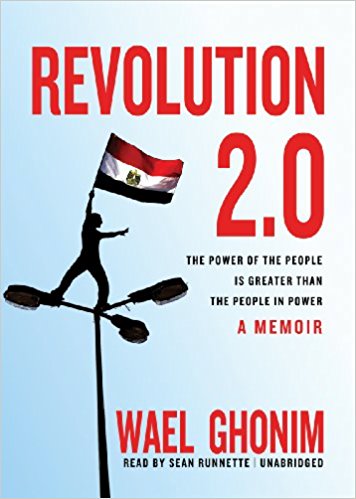
The memoir under review is a chronicle of Egypt’s ‘Arab Spring’ from an author who not only had a ringside view of the events as they unfolded but played an important part in channelling the people’s pent up emotions.
When, in 1977, I got a Korean Govern- ment scholarship to study Korean at the Seoul National University, everyone in the family wanted to know where it was.
Various studies recently by the World Bank, Goldman Sachs, Citibank and others have indicated that China and India are poised to enhance their economic profile further in the international arena.
The book under review, a collection of essays, is thematically divided into four sections. It juxtaposes the Indian state within the broad process of globalization and sees it as an influential power as a result of its growing military and economic might.
It is often noted that International Rela- tions in India does not have a culture of meaningful internal criticism. Groups of scholars may occasionally comment on policy implications of one another’s work, but scholarly criticisms that are fruitful for new knowledge are hard to find. Why? Some fault tardy work ethics of scholars; others blame the disrepair of institutions.
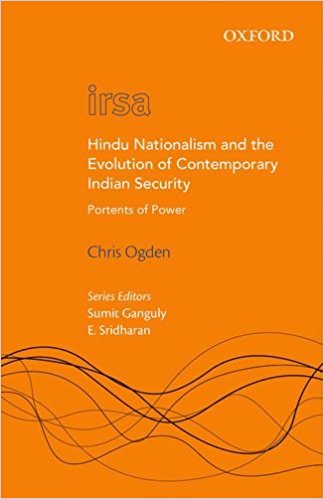
There is little doubt that domestic politi- cal ideologies, ideas and personalities play an important role in the foreign policies of states. We can hardly talk about Indian foreign policy without considering Jawaharlal Nehru’s personality or his ideological predilections, or for that matter that of others including Indira Gandhi or Morarji Desai.