History as a modern discipline has its highly developed protocols. Specialists spend years learning the craft of the historian—an extremely sophisticated craft practiced in easily recognizable ways all over the world. We have been witnessing attempts to undermine the discipline with assertions that disregard its protocols.
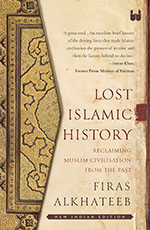
This book is an attempt to give an overview of the history of Muslim civilization from its inception to the present times. It is based on the author’s notes prepared for teaching his students at the high school level in the US. Starting with the time of Prophet Muhammad when monotheism challenged the existing belief system of the Arabs, he talks of the rise of Islam from the Arabian Peninsula.
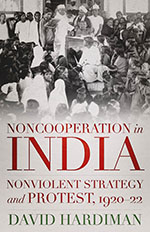
The book starts with a brief introduction outlining the theme in seven well-structured chapters. The first chapter apart from analysing the origins of pan-Islamic sentiments in India traces the circumstances under which the Khilafat movement emerged;
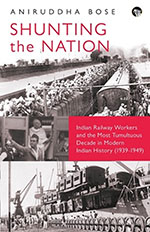
the Muslim League, and the Communists. The British panicked because the mutiny sparked revolts in other branches of the armed forces. As news of the uprising became known, there were widespread agitations in different parts of the country although the worst affected was Mumbai itself
In the textbooks of modern Indian history, the railways appear almost fleetingly, something like this: introduced in 1853; the guarantee system was so very exploitative for the Indians
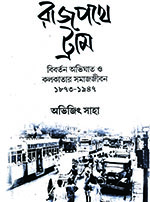
Trams were introduced in Calcutta in 1873 and in Bombay a year later in 1874 and in Madras in 1886. Trams remained in place as Calcutta became Kolkata.