C. Scott-Littleton

The study of myth has undergone a sea-change since the mid-nineteenth century when it came into vogue. Between Freud and Levi-Strauss it is now open to a vast span of interpretation. Not all the points along this span have as yet encroached on to the study of Indian mythology…


Reviewed by: Romila Thapar
Krishnendu Ghosh Dastidar, Hiranya Mukhopadhyay and Uday Bhanu Sinha

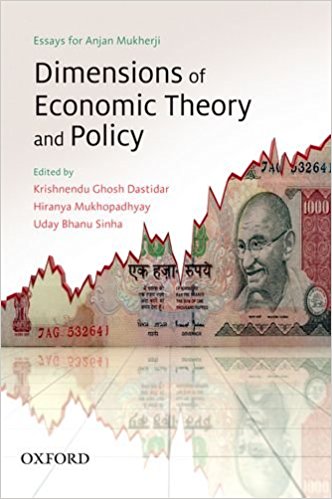
Dimensions of Economic Theory and Policy is a festschrift honouring Professor Anjan Mukherji who retired as the Reserve Bank of India Professor of Economic Theory at the Center for Economic Studies and Planning, (CESP) Jawaharlal Nehru University in 2010.


Reviewed by: Chetan Ghate
T.C.A. Srinivasa-Raghavan

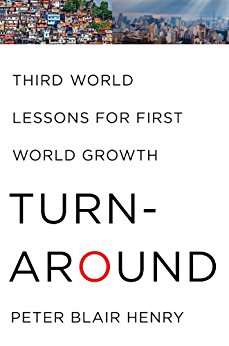
Other things being the same, does economic success, like lightning, strike countries randomly? Or can the probability of being struck by it be significantly enhanced by governments? Peter Blair Henry, Dean of the Stern School of Business in New York, says yes, it can. His prescription for success is simple, old as the hills and eternally valid: discipline in policies.


Reviewed by: Peter A. Garretson
J.B.P. More

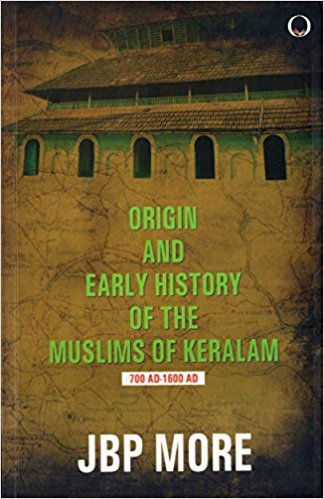
Most of the discussions and reports on Muslims in India often embrace the sketchy phrase Pakshe Kerala Muslims (But Muslims in Kerala) to emphasize the ‘exceptional’ standards that Muslims of Kerala have achieved.


Reviewed by: Muhammed Haneefa
Shashank Kela

The book is a study of the ways and processes in which adivasi livelihood has been affected through the colonial and postcolonial period and adivasi responses to it. It is divided into two parts.


Reviewed by: Virginius Xaxa
Sarvepalli Gopal

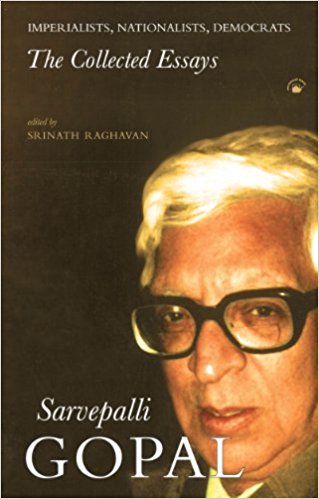
The collected essays of historian Sarvepalli Gopal (1923-2002) has finally arrived, meticulously edited with a fine introduction by Srinath Raghavan. Raghavan and the general editors of the series, Ramachandra Guha and Sunil Khilnani make a strong case for a Gopal revival.


Reviewed by: Partho Datta