Kula Saikia

If you are at that stage in life where you are looking back and reminiscing about your journey called life so far, well then this collection of twenty translated stories is for you. Saikia’s stories are like a soft breeze wafting across you brushing away the cobwebs of forgetting and reveal emotions, long buried passions, and the whisper of dreams long forgotten.


Reviewed by: N Kamala
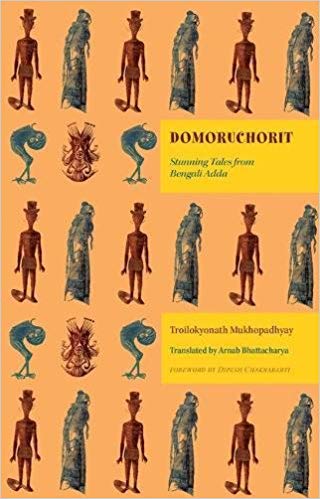
Troilokyonath Mukhopadhyay

Domoruchorit by Troilokyonath Mukhopadhyay is a collection of seven stories describing the incredible adventures of Domorudhor, located in the outskirts of Kolkata at the turn of the nineteenth and twentieth centuries. Dipesh Chakrabarty’s introduction discusses the folkloric tradition that is discernible in the text, and places it in the tradition of novels in which the protagonists narrate tall, exaggerated tales about themselves.


Reviewed by: Nivedita Sen
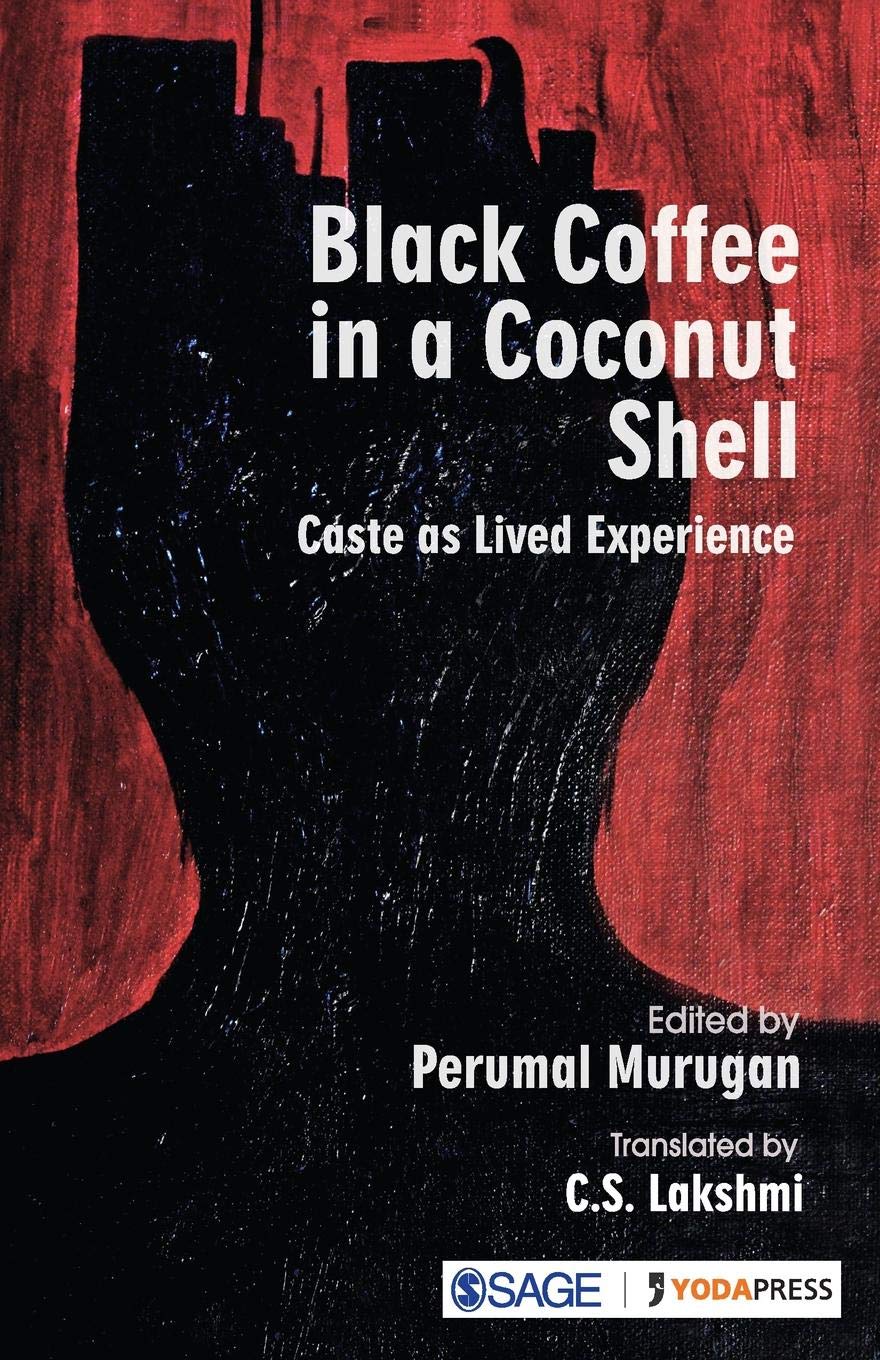
Perumal Murugan

The articulations of caste and its deployment in India are grey areas that have been swept under the carpet and often rendered invisible in our quotidian lives. Many believe that it is a thing of the past that need not be talked about so vehemently today. But the agony of its experiential terrains, as recorded and performed by the millions who continue to be oppressed by its multipronged techniques of naming and shaming, both covert and overt, is profoundly revelatory.


Reviewed by: Meena T Pillai
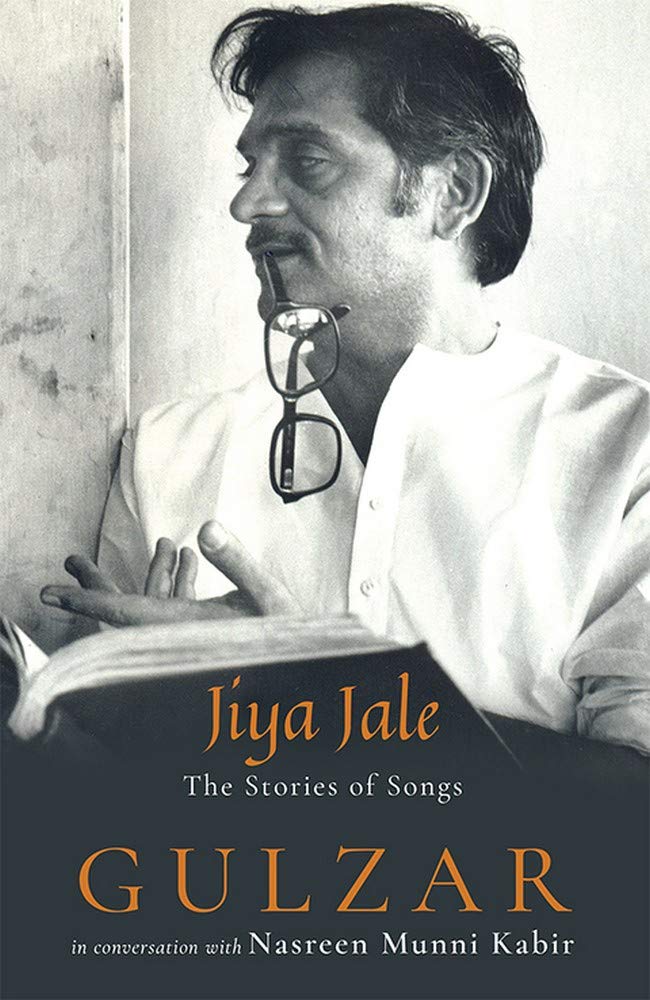
Gulzar in Conversation

Nasreen Munni Kabir’s book Jiya Jale is a fascinating account of trying to understand Gulzar’s poetry in order to translate it. The conversation tries to unravel the meaning of the poet’s lyrics and in the process we get a ringside view of not only the complicated art of translating songs but also insights into the craft of lyric writing. Gulzar lays a lot of stress on the craft of writing; according to him ‘one should master the profession one practices.’


Reviewed by: Asad ur Rahman Kidwai
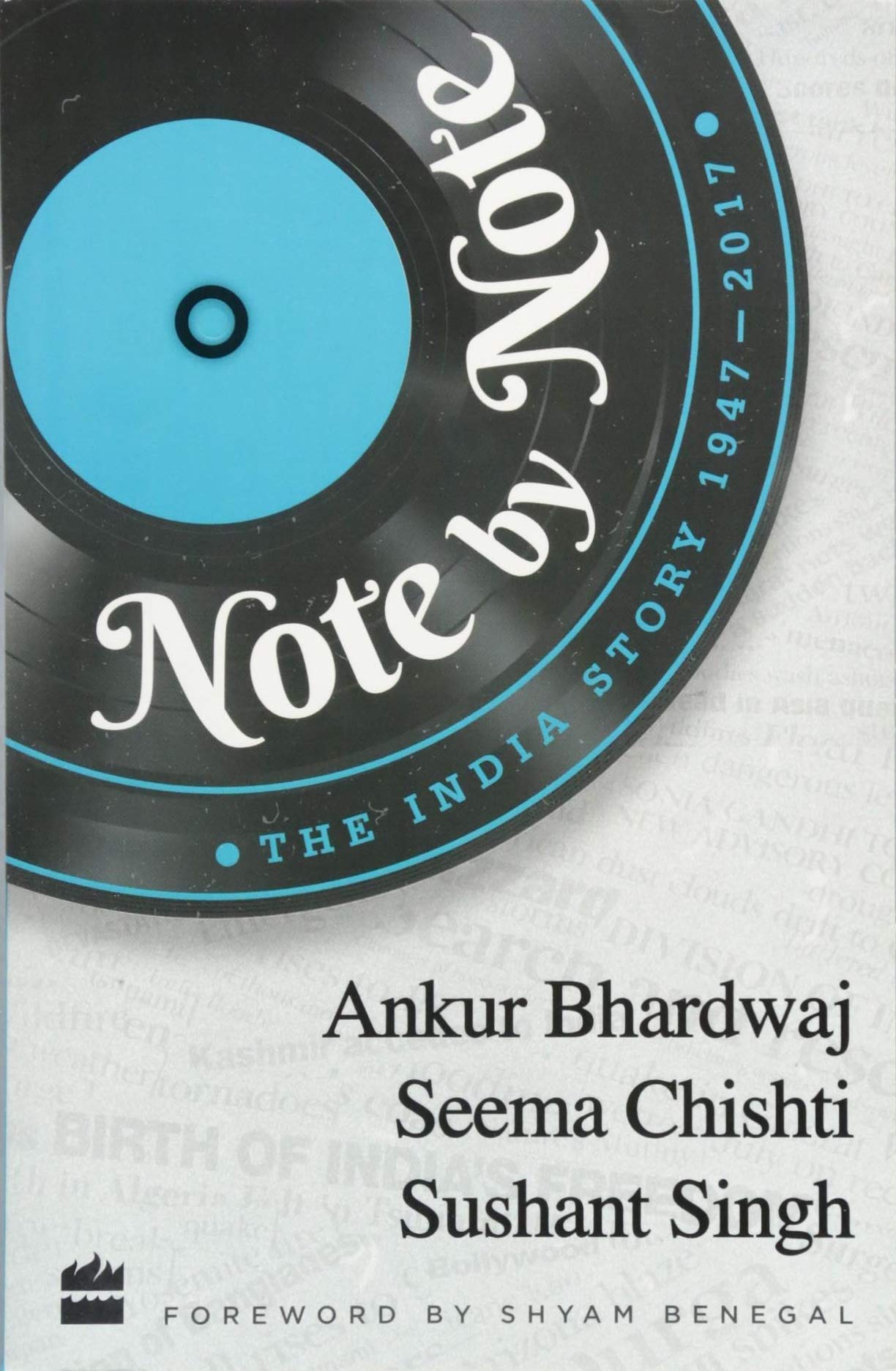
Ankur Bhardwaj

A ficionados of Hindi film music (present reviewer included) seriously believe that the output of songs from the Golden Era (1940-1970) is so rich and diverse that there is a song to describe every single emotion, feeling that we are aware of, as well as those that might be subconscious and subterranean. There is a eureka moment each time one encounters a song that manages to guess one’s exact feelings and puts it just right.


Reviewed by: Ashwini Deshpande
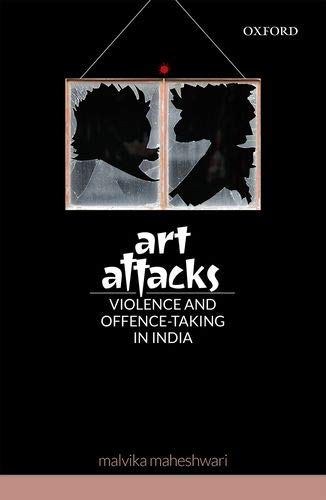
Malvika Maheshwari

Malvika Maheshwari’s book on the extra-constitutional attacks on artists and artworks in post-Emergency India, adds productively to the literature on free speech and censorship. Emerging out of her PhD dissertation and research conducted between 2008 and 2016, the book maps a history of `hurt sentiments’ and violent attacks through studying a selection of controversial events.


Reviewed by: Shohini Ghosh