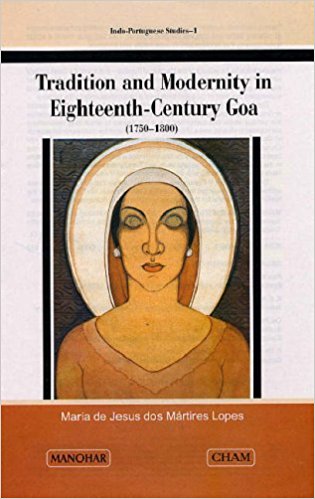
This is a much welcome translation of Mártires Lopes original work in Portuguese, first published in 1993, with a second edition (also in Portuguese) in 1999. As the author herself states in the preface to her first edition, this is one of the few times that material from the Pastoral Visits and Church Rolls in Goa has been used.
Subaltern historiography is a comparatively recent discipline in India. With mainstream history appropriating the centre stage for long, the extended historical course traversed by the many subaltern and minority groups in the country on their way to becoming conscious of a distinct identity, remained unexplored until very recently.
The contest over the political identity of Tibet has led to a protracted conflict between Tibet and China and India and China. The Sino-Indian border issue is intrinsically linked with the question of Tibet’s political identity. In India, scholarship on this issue has tended to focus more on the Sino-Indian dimension of the Tibet issue.
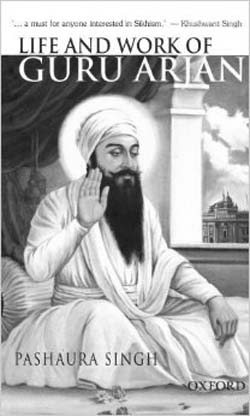
An endeavour to reconstruct a religious biography can be formidable. In fact, such a venture which resurrects the lives of those who exemplify the religious spirit of an age can evoke the tendency to fabricate traits, in order to eulogize their portrayals as ideals and icons,
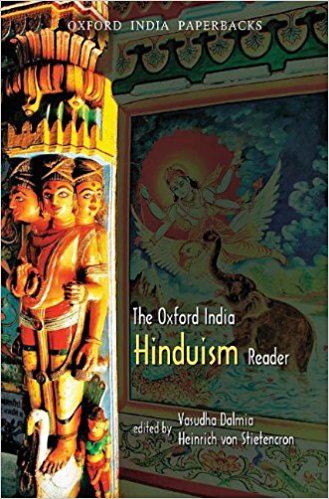
Though now appearing somewhat dated, this is indeed an useful collection of essays that seeks to historicize the dynamic and complex changes occurring among the ‘Hindus’ and to ‘Hinduism’. Barring one, the essays put together for this volume are reprinted from two older anthologies, viz. Representing Hinduism (1995) and Charisma and Canon (2001).
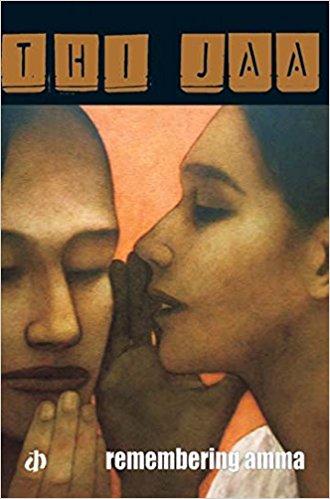
In contemporary Indian literature, modern sensibility could only assert itself through a strong denunciation of what has been considered traditional, of what has been regarded as sacred. Without the strong note of iconoclasm, a writer could not claim to be modern in any meaningful sense.