The edited volume is based on the data generated through Cost and Finance Study commissioned by UNICEF Delhi. Unlike a range of other surveys since the PROBE report of 1999, the value of this study is that it covered both provision of schooling (government and private) and financing by the government as well as households.
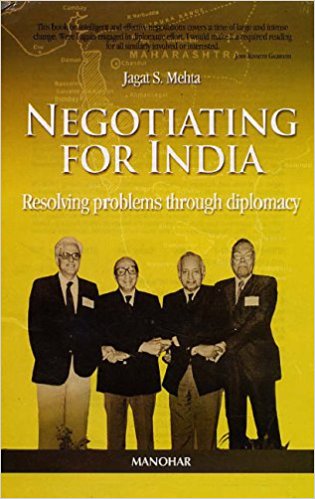
There is a perfect fit between the author and the theme he has chosen to write on. Chinmaya Gharekhan of the 1958 batch of the Indian Foreign Service has established a well deserved reputation for his professional competence, integrity, and superb navigational skills in the often treacherous waters of diplomacy. As India’s Permanent Representative to the U N in New York for six years, he has presided over the Security Council twice. Each presidency lasts a month.
The volume under review is the seventh in a series on modern Indian history, edited by well known historian Professor Bipan Chandra and two of his illustrious former students, Mridula and Aditya Mukherjee. Between them they represent what was once the unchallenged school of nationalist historiography and have acquired the formidable reputation of crusaders on behalf of that particular way of understanding modern Indian history.
Feminist Social Thought brings together a set of introductory essays on the work of six of the best-known feminist ideologues of the twentieth century. The attempt is to summarize in some detail the work of Simone de Beauvoir, Betty Friedan, Kate Millett, Shulamith Firestone, Juliet Mitchell and Sheila Rowbotham.
Ratna Kapur’s objective to outline a postcolonial feminist framework takes seriously, the emergence and legal regulation of what she terms the new sexual subaltern and of the new images of sex in contemporary Indian society. Telling the stories of law then is to interrogate the implication of law in the contemporary reformulations of culture and sexuality.
Anyone involved in the business of curricu- lar literature-mongering would agree that English literary studies in most Indian universities still revolves primarily around universalist and liberal humanist notions of essential truths and ‘great traditions’, and textual criticism comprises gut reactions based on outmoded and yet unproblematized aesthetic ‘values’.