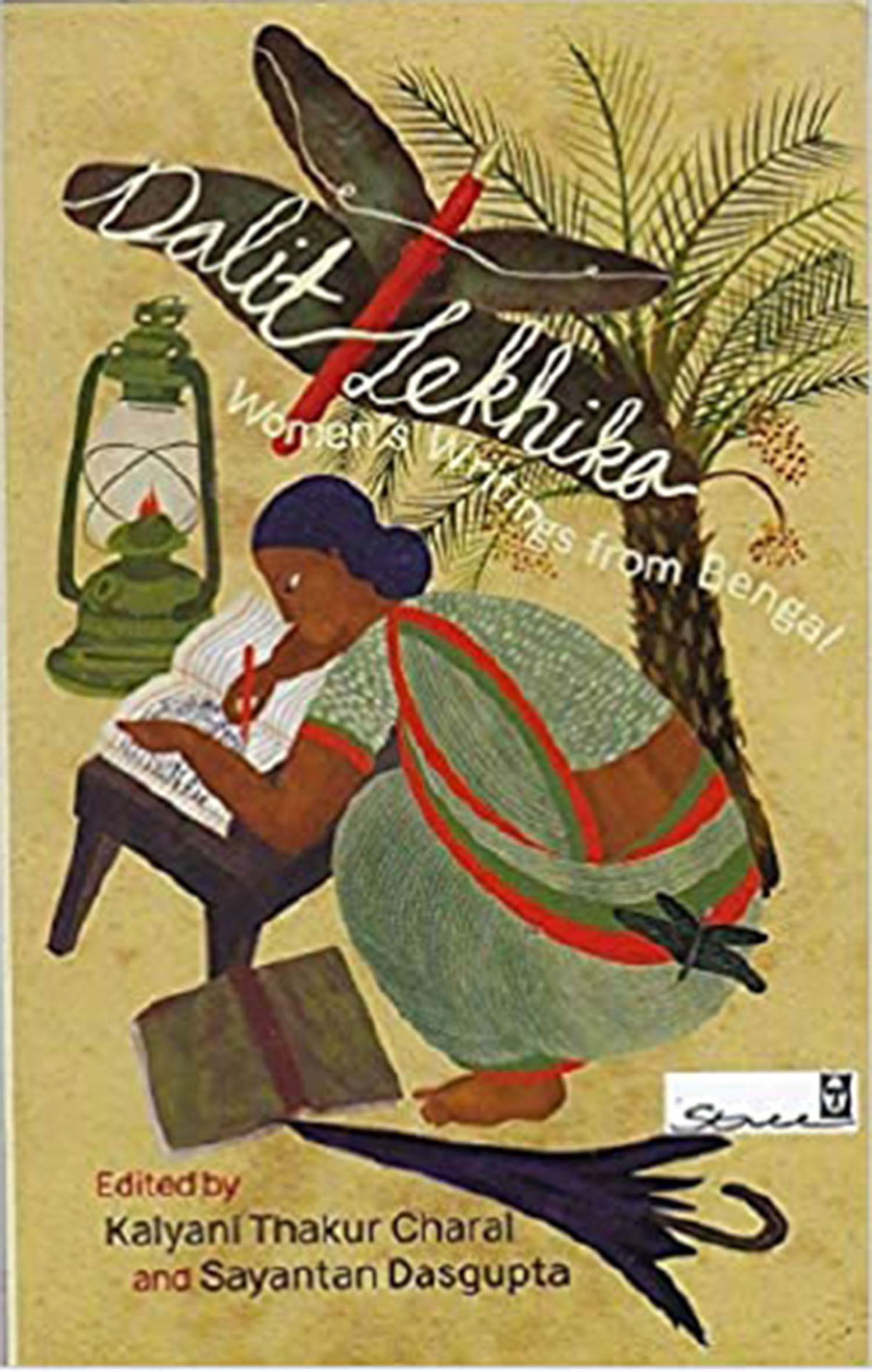
In Kalyani Thakur Charal’s short story translated as ‘A Hundred Pens’, Rekha’s Thakuma/paternal grandmother, though illiterate herself, dreams of a new generation rewriting the history of discrimination, oppression, neglect and deprivation that marks the caste-based politics of the Indian subcontinent.For thousands of years our people haven’t been able…
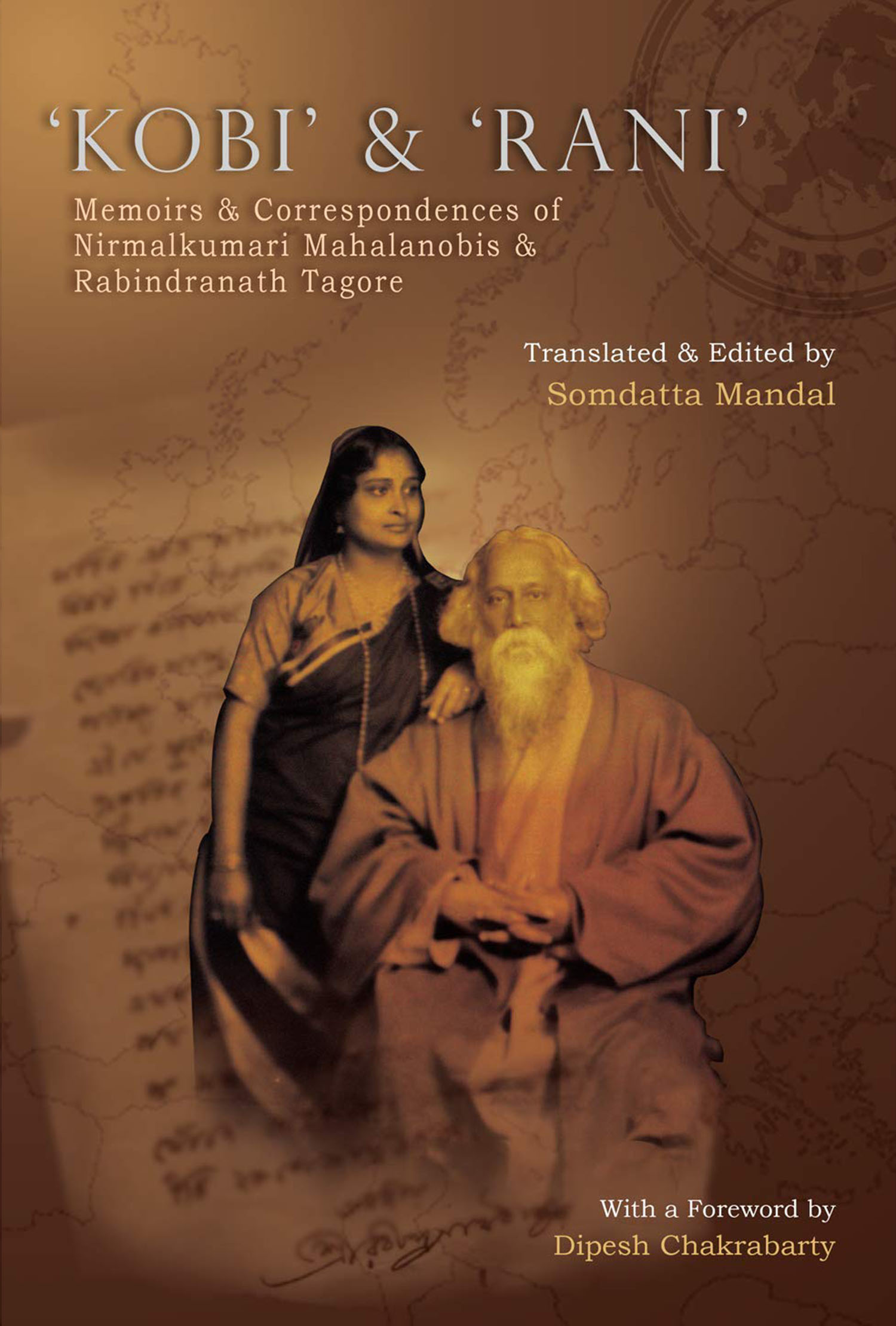
In the making of Rabindranath Tagore’s public image, apart from the voices of the critical establishment and the poet’s own forms of self-projection, the reminiscences of those around him also played a part. A compulsive globe-trotter, Tagore often travelled with companions who knew him closely…
Rabindranath Tagore’s androgynous imagination finds fulsome expression in the two books under review. How he extended his understanding to the mysterious secrets of women silenced by patriarchy remains a conjecture. Periodic translations open up the question in various social contexts…
Partition narratives accommodate some of the most difficult and irreconcilable spaces of human experience within the contested ideas of home, nation, and sense of belonging. Samaresh Bose’s Bangla novella Khandita written in 1985, translated into English by Rani Ray as Dissevered in 2019, registers the need to comprehend…
2020
‘Why can’t we be friends now?’ said the other, holding him affectionately. ‘It’s what I want. It’s what you want.’ But the horses didn’t want it—they swerved apart: the earth didn’t want it, sending up rocks through which riders must pass single file; the temple, the tank, the jail, the palace, the birds, the carrion, the Guest House…
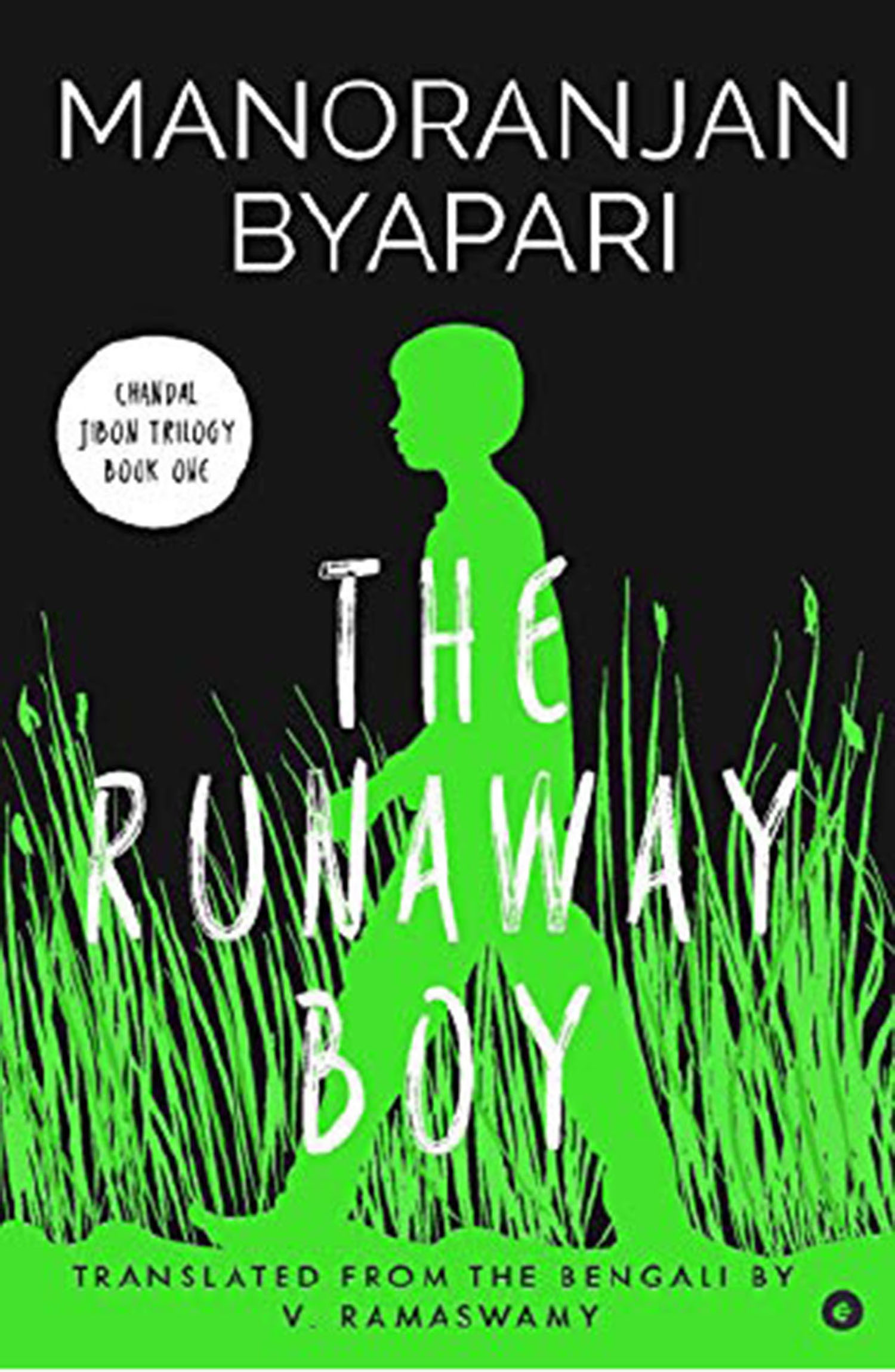
The Runaway Boy is a novel that packs a punch! It is a novel about the downtrodden. About oppression at various social levels. And, most of all, about the struggle for survival.The Runaway Boy, a trilogy, traces the lives of Garib Das and his son, Jibon. And through their lives, Manoranjan Byapari chronicles the tempestuous politics…