Qurratulain Hyder

Often one of the most difficult things to translate in a novel is the title and the most difficult thing to choose is a translator. Qurratulain Hyder, one of the greatest modern Urdu literary figures, was not one to be easily satisfied in these matters.


Reviewed by: Gillian Wright
Hema Ramakrishna

It is significant that in the introduction to her play, Sanctuary!, Hema Ramakrishna quotes Muriel Rukeyser’s poem to Orpheus at length to contextualize and situate the epigram that begins this retelling of the Indian epic, the Ramayana:


Reviewed by: Prema Chari
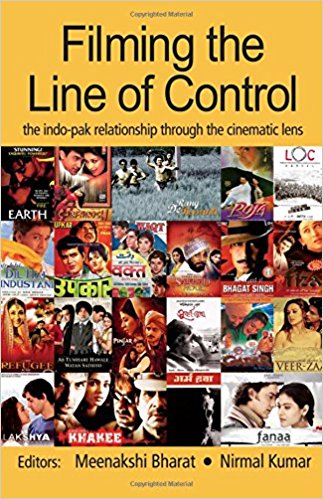
Meenakshi Bharat and Nirmal Kumar

This anthology of essays and interviews dealing with Indo-Pak relationships in Cinema attempts to demonstrate the ‘gradual but distinct’ move by Hindi cinema from a Pakistan centric and partition related construct of the national self-image to an increasingly self-reflexive and self-reflective one.


Reviewed by: Shohini Ghosh
Ramu Nagappan

Ramu Nagappan’s introductory lines in the book—‘who has the right to speak about trauma?’ is a question that has been pertinent in the last couple of years as debates on histories from below raised crucial questions whether the subaltern can speak at all.


Reviewed by: Madhuja Mukherjee
Jayanth Kodkani and R. Edwin Sudhir

Perhaps no other contemporary Indian metro makes complete strangers of its natives as does Bengaluru. Ceaselessly changing one way systems, the sudden yawning gap in the ground where a familiar landmark stood, ever narrowing footpaths, a babel of tongues and a forest of signs make the place unfamiliar.


Reviewed by: Janaki Nair
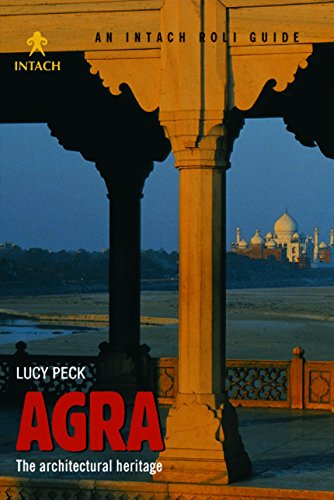
Lucy Peck

Lucy Peck’s new guide is the best and most comprehensive guide of Agra since the classical compilations of S.M. Latif and H.G. Keene of the nineteenth century.


Reviewed by: Ebba Koch