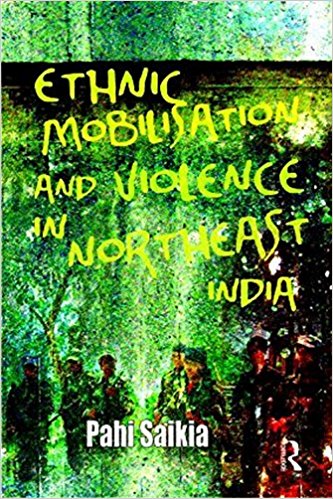
Pahi Saikia

The dominant scholarship on India’s North East is focused on the study of militancy and violence in the region. The concern of scholars, by and large, has been to understand and explain the conditions, circumstances and background driving the agendas of local identity movements, their grievances leading to radicalization in the public sphere, and the politics of militancy and their outcomes (Baruah 2005; Misra 2000; Hazarika 1994; Nag 1990)…


Reviewed by: Yasmin Saikia
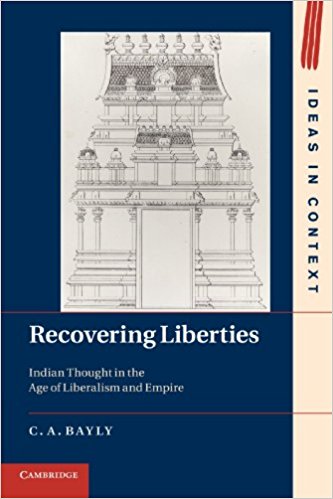
Christopher Bayly

Christopher Bayly’s new book, Recover ring Liberties: Indian Thought in in the Age of Liberalism and Empire, traces the history of political thought in India with a specific focus on liberalism. Bayly attempts to trace the lineages of liberal political language in the Indian…


Reviewed by: Mohinder Singh
Syeda Hameed

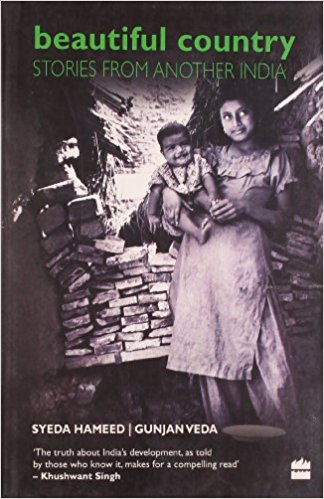
On the cover of this elegantly written reportage-cum-travelogue is a shabbily dressed teenage girl holding a toddler. In the background we see the thatched houses and many tell-tale signs of extreme poverty. From the cover photograph itself you have a fair idea…


Reviewed by: Abdullah Khan
Mahmudul Haque

‘Everything becomes a story one day.’ So begins the PS section of this Bangladeshi contemporary classic. Its writer, Mahmudul Haque, is credited with fashioning a new idiom and a distinctly modern sensibility in the post-1947 writing coming out from what was once East Pakistan and is now Bangladesh…


Reviewed by: Rakhshanda Jalil
Supriya Chaudhuri

As summer looms upon us, a Gujarati friend living in Calcutta becomes more and more disgruntled. Her plaint is the lack of kesri ker no ras (aam ras or mango pulp) in her city. Upon a suggestion that she purchase mangoes and make it at home, came a most painful shriek: you don’t understand! In Gujarat right now, everyone is talking mango, buying mango, selling mango, cooking mango…


Reviewed by: Sucharita Sengupta
Shakeei Hossain

Even as Delhi has been celebrating the centenary of its restoration as capital of India, a proud fragment of its built heritage and history, it is fitting that we re-member the doyen of Delhi’s lived cultural heritage, Amir Khusrau (1238-1325), the most loved acolyte of the great…


Reviewed by: B.G. Verghese