K. Saradamoni

The current widely shared concern for building an egalitarian and just society in India often prompts scholars to inquire into the prerequisites for achieving this laudable objective. An understanding of the processes of change specific consti­tuents of Indian society have experienced over a period of time can provide useful insights in this context.


Reviewed by: T.K. Oommen
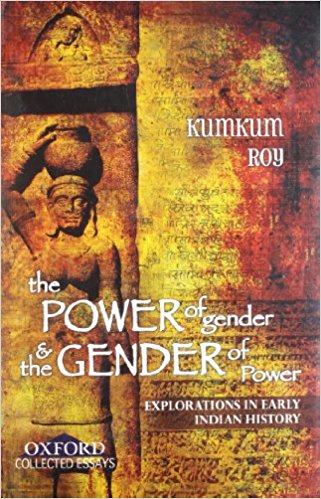
Kumkum Roy

The nationalist renditions of ancient Indian history were part of a cultural battle in the context of colonial domination which turned the bodies of women into sites of struggle. A Vedic woman of high status in the ancient past was made to stand for the authentic nation and her declining position in society was explained through largely…


Reviewed by: Partha Pratim Shil
Shonaleeka Kaul

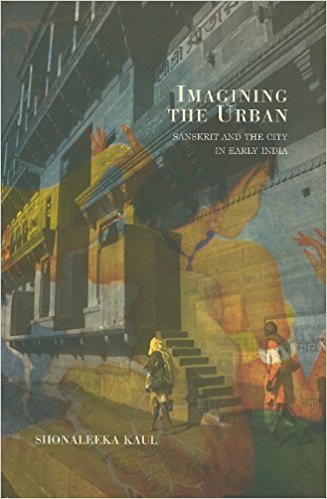
The study of urban history and processes in the early history of the subcontinent has remained much neglected. Teaching a class of fourteen year olds, I realized that the word ‘city’ conjures up a very modern imagery in their mind.


Reviewed by: Shatam Ray
Sonia Faleiro

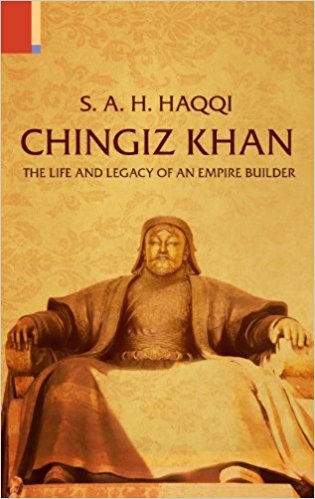
Syed Anwarul Haque Haqqi’s book is a revised and enlarged version of his doctoral dissertation approved by the Aligarh Muslim University under the supervision of the great historian of the time, Professor Muhammad Habib.


Reviewed by: Tabir Kalam
Peter Heehs

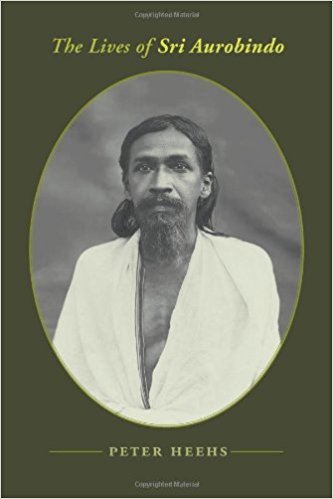
The work under review represents several years of serious research and reflection on the life of Aurobindo Ghose (1872-1950), popularly known as Sri Aurobindo since 1926. Heehs already has to his credit a shorter biography of Aurobindo (1989), a collection of his writings and speeches (2005) and more recently (2006)…


Reviewed by: Amiya P. Sen
Manu Bhagwan

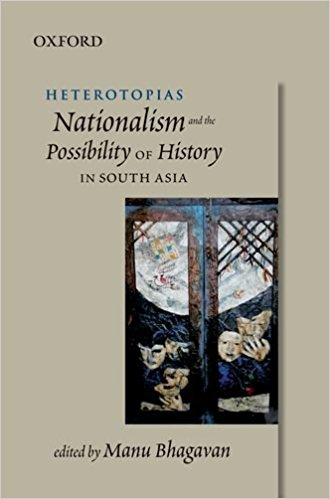
The book edited by Manu Bhagwan brings together seven essays in a series of three interrelated conversations—‘On the Landscapes of the Margins’, ‘On the Dreamscapes of Literary Imaginings’ and ‘On the Heteroscapes of history’—united under the general scheme of what Foucault called heterotopia or the possibility…


Reviewed by: Sayed Areesh Ahmad