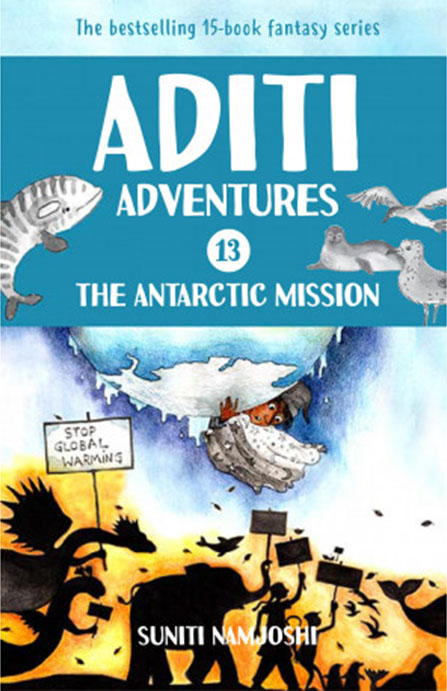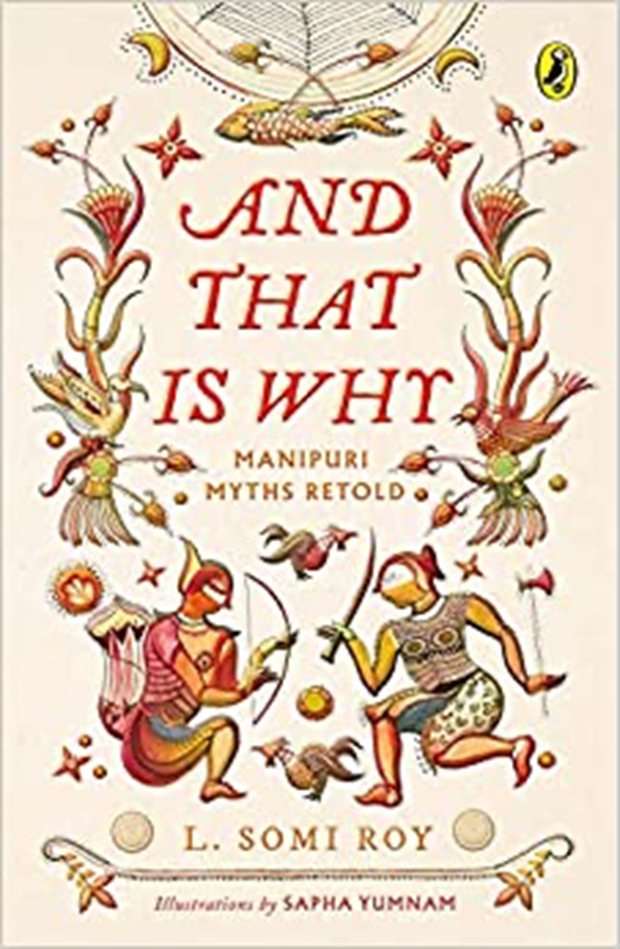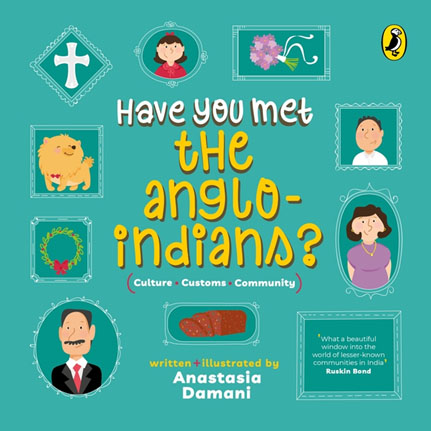
Children in the Post-pandemic Era We are now into the second year of the pandemic; even as discussions on reopening schools gain momentum, signs that the new normal will be very different are already evident. While education systems across age groups have been impacted, the exigencies of the pandemic on children have been particularly acute,…


Editorial

Afghanistan has undergone more changes in the past fourteen weeks than in the last twenty years. There are no more indiscriminate bombings and night raids since the US and NATO forces withdrew. The Taliban swept into Kabul on August 15, within nine days of capturing the first of the 34 provincial capitals, Nimroz. On September 11, its flag flew over the Arg Presidential Palace and the erstwhile US Embassy.The current situationYet, peace and stability have eluded Afghanistan. The benign face of the Taliban has gone. One of the first acts of the Taliban was to promise a general amnesty. On the contrary, reports of retribution, killings, and ethnic cleansing are beginning to pile up…


Editorial
Ondřej Filipec

The rise of the Islamic State—variously known as ISIS, ISIL, IS, Da’esh—represents a unique occurrence within the burgeoning global jihadist movement. It is perhaps for the first time in modern history that an extremist group has succeeded in conquering swathes of territory as vast in size as present day United Kingdom, with several million inhabitants, and transformed itself into a quasi-state like entity, thereby succeeding in establishing a unique political system representing the typical attributes of a totalitarian regime…


Reviewed by: Abidullah Baba
E. Sridharan

Indo-Pacific (comprising the maritime space extending to the Indian Ocean, the littorals of East Asia and to the western Pacific Ocean[1]) can be regarded as the new buzzword in international affairs. The renewed focus of the United States towards Indo-Pacific and the ‘pivot to Asia’ call adds strength to this concept. Freedom of navigation and safety of the movement of cargos and resources through the sea lanes of communication are vital for maintaining peace and order in the global system. Most of the trade and resources flow through sea routes and keeping them safe and accessible to all is an important requirement…


Reviewed by: Gunjan Singh
Sathnam Sanghera

This an extremely readable book written by a British national whose Sikh and Indian roots draw him back to write not about the country of his parents’ origin (India), but his own country, Britain. In that sense, this book is distinct as it does not focus on the former colony as most books and academic works, especially in the field of postcolonial studies tend to do. It looks at the lingering after-effects of colonialism on a former colonial power like Britain itself. What emerges is an interestingly written account of Britain as a nation that held sway over a vast empire upon which a once fabled sun never set…


Reviewed by: Amir Ali
Vipul Dutta

Vipul Dutta is Assistant Professor of History at the Department of Humanities and Social Sciences, Indian Institute of Technology, Guwahati, where he combines research and teaching interests in South Asian diplomatic, military, and economic history of the twentieth century. The book is an outcome of his doctorate from King’s College London.In his dissertation, Dutta set out to plug the gap in knowledge in India’s civil-military relations between the demands for Indianization, or the displacement of British officers with Indian officers in the army, and the institutional development in terms of training institutions such demands entailed. Whereas there is enough spotlight on the former, with the contribution of stalwarts from the freedom struggle like Motilal Nehru and Jinnah finding mention…


Reviewed by: Ali Ahmed