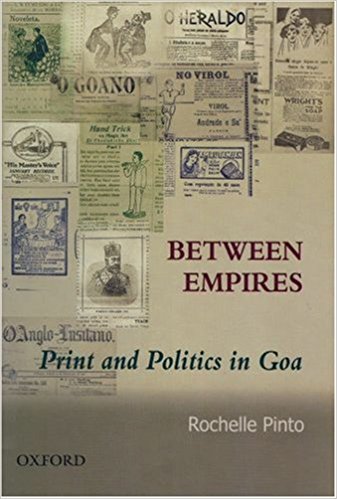
Rochelle Pinto
Relief and pleasure should greet the work of Rochelle Pinto in the area of Goan studies. Finally we have serious academic research being published and reviewed by mainstream publishers and periodicals.
Reviewed by: Maria Aurora Couto

Relief and pleasure should greet the work of Rochelle Pinto in the area of Goan studies. Finally we have serious academic research being published and reviewed by mainstream publishers and periodicals.
Master of Life Skills, a first novel by Vijay Nair, an organization consultant, could not have been better timed. The present day urban landscape is replete with stories of battered lives seeking solutions through ‘process work’, ‘personal growth programmes’ etc.,
In his book Redefining Urdu Politics in India (OUP, 2007), Ather Farouqui raised some very pertinent questions regarding the past, present and future of Urdu language in India.
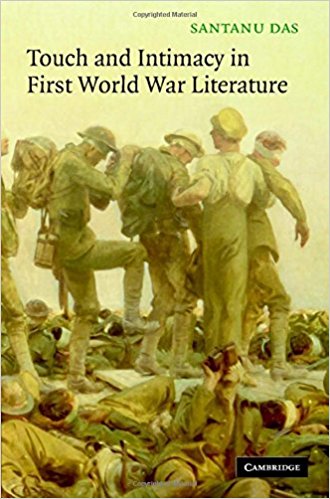
Technology has taken over both the methods of warfare and its representations, and the human body, the victim of war’s cruelty, has been effaced from our perceptions of armed combats in recent times.

Love and Samsara is a historical novel set in the sixteenth century. It explores the consequences of the discovery by Vasco da Gama of the sea route from Europe to India.The importance of this discovery has been a subject of revision since the fifties; the quinquennial celebrations of his landing in Calicut were deemed politically incorrect and had to be abandoned.
Ever since he arrived on the literary scene in the second half of the nineteenth century, Bankim Chandra Chatterjee has never been out of the news, for the right or wrong reasons.