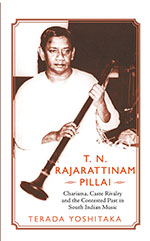
We tend to disassociate musical performance from social analysis and stratification, concentrating on the excellence of performance. The story of Rajarattinam Pillai is about a musician who was one of the greatest musicians and performers of Carnatic music, and who as a player of the Nagaswaram, consciously faced and addressed the contentious issues and intersections between musical performance, hierarchy and caste.
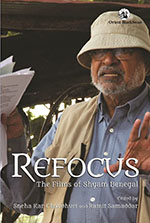
General appraisal of Benegal’s films is easy to find. Refocus, as appropriately named, highlights certain trends and brings to our attention some of the less-discussed aspects of his creativity. Serious students and researchers of Indian cinema will find this book of great value and relevance.
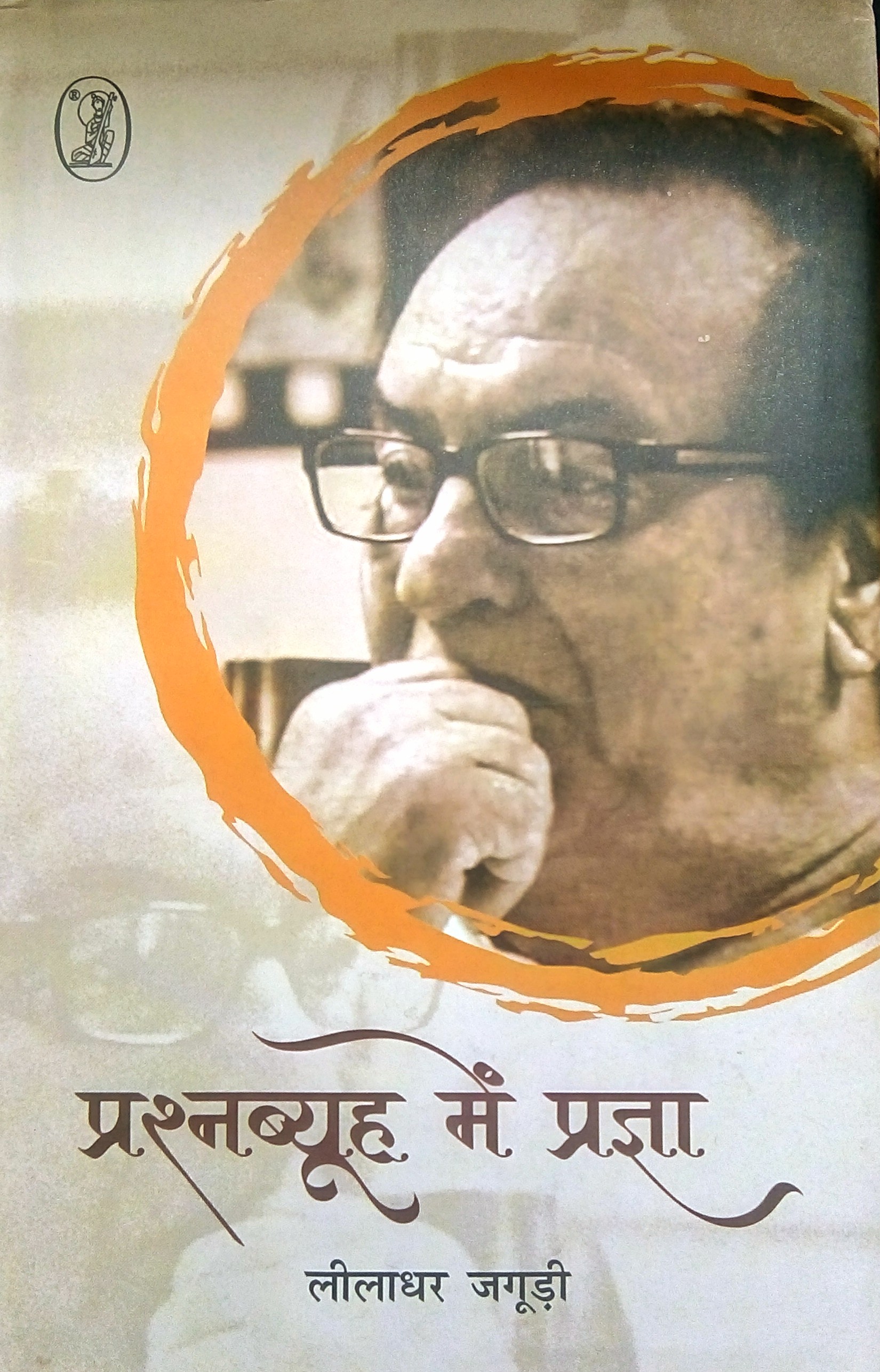
The ingredients of poetic sensibility compel a writer to see a little more than others can see and dig a little deeper than usual sense-perception may allow. Leeladhar Jagudi’s work and wisdom highlights this tender balance between living and writing. In this anthology of interviews Prashnavyuh Mein Pragnya, Jaguri talks of poems, poets and the translation of an observation into a creative composition.
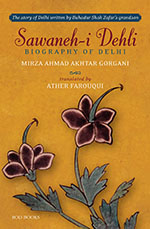
Farouqui’s translation of Sawaneh-i Dehli is a cultural, archaeological, historical treatise since it is not limited to simply translating the text from one language to another but also painstakingly locates factual errors in Gorgani’s original text and has elaborate explanatory footnotes: as Farouqui points out in his Preface, Gorgani knew very little of history.
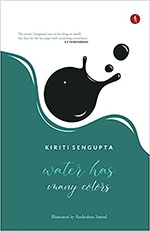
As a monk, tired of seeking the divine elsewhere, looks within and finds his way back, Sengupta follows a trail of breadcrumbs strewn in his path to move back to his cloister. If we see through the black humour in these poems, we will know the poet is weary in his critical gaze and all he needs is rest. But resting is possible only in the midst of nature, or specifically, in the tenderness of Bengal’s mud and grass.
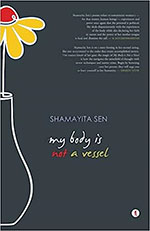
Sen does a wonderful job at simultaneously being a feminist and a humanist. Her poems offer as much of an immersive experience into what it means to be a woman as they tap into the sorrows and longings common to all. My Body is Not a Vessel both provokes and consoles, and takes us out of ourselves while doing it.