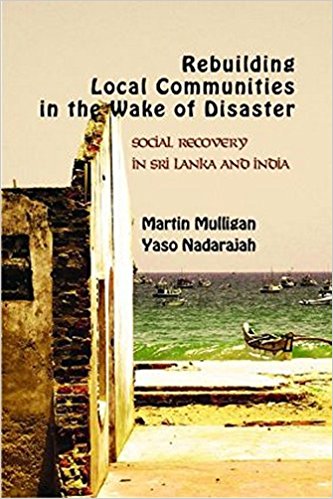
Martin Mulligan
An unprecedented Indian Ocean tsunami created havoc in December 2004 in Indonesia, Sri Lanka and Southern India where thousands of people died and lakhs of people became homeless.
Reviewed by: Gulbin Sultana

An unprecedented Indian Ocean tsunami created havoc in December 2004 in Indonesia, Sri Lanka and Southern India where thousands of people died and lakhs of people became homeless.
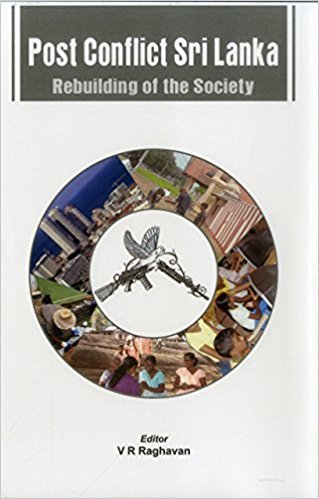
he Sri Lanka Army ended 25 years of Tamil separatist insurgency on May 19, 2009 when it defeated the Liberation Tigers of Tamil Eelam (LTTE).
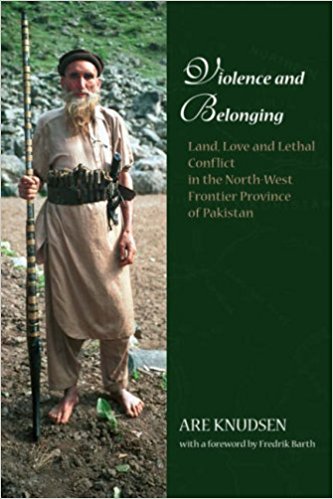
In recent months, Kohistan, or the Land of Mountains, a remote area located in Northern Pakistan, has been making headlines for all the wrong reasons.
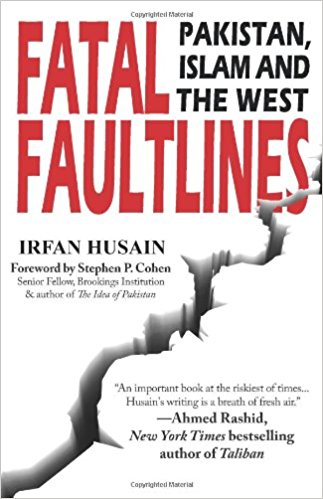
Fatal Faultlines is a lucid account delving into many difficult questions which lie at the heart of interactions between Islam, the West and Pakistan. These range from historical confrontation between Muslim and western civilizations and their impact on the current ‘dialogue’ between Muslim countries and the West.
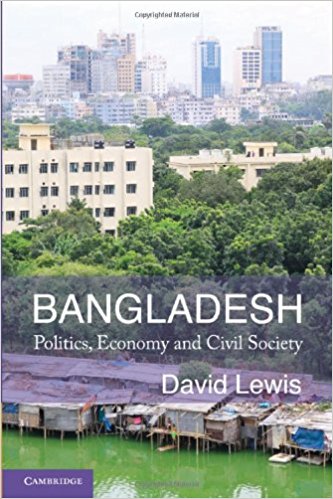
As Bangladesh approached, and successfully crossed the 40-year milestone of its existence as an independent country, several non-Bangladeshi and expatriate-Bangladeshi authors have written comprehensively about this nation.
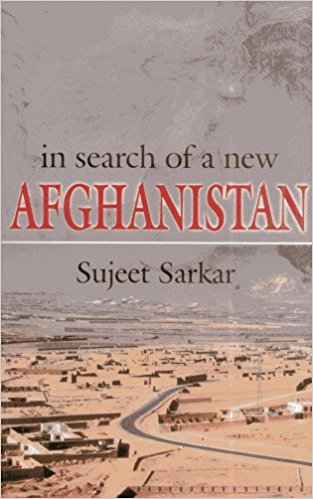
Among the many metaphors for Afghanistan, cross roads in the most commonly used. Now it can additionally be described as the junction point of intellectual and academic endeavour: on war and terrorism; on religion and fundamentalism; on conflict zones and instability; on institution building and State construction.