
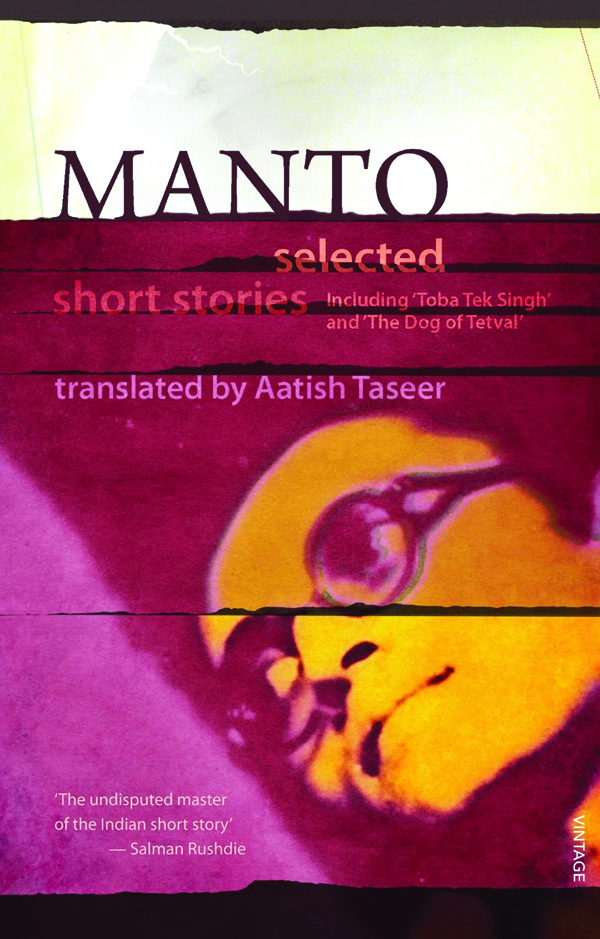
Sadat Hasan Manto. Translated from the Urdu
When Master Abdul Ghani praised Manto for his story ‘Hatak’ and cleared his debt as a mark of respect for the man who had written the story, Krishan Chandar notes that Manto became sad and furious. Manto, he writes, was displeased and depressed and cried out, ‘Saala! He believes that Hatak is my good story, Hatak? Hatak is one of my worst stories.’
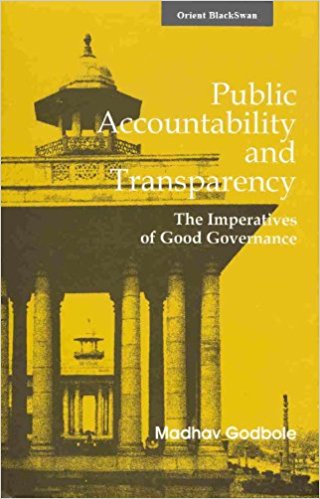
Madhav Godbole
Madhav Godbole’s book, Public Account ability and Transparency: The Imperatives of Good Governance is one of the outstanding additions to the literature on governance and the contemporary political, administrative social scenario in the country, including the largely untouched areas of judiciary, media and corporate governance.
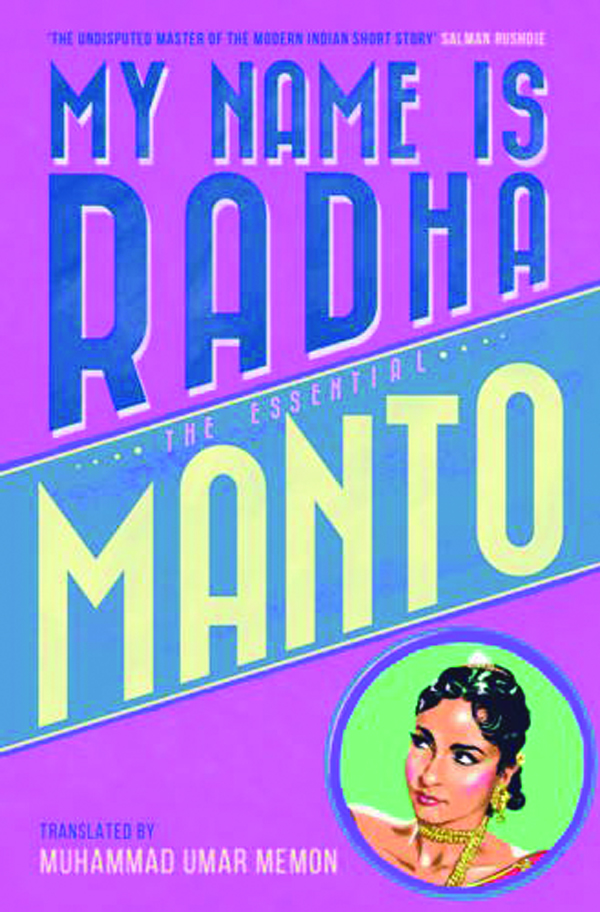
Muhammad Umar Memon
Around the time of the centenary of Manto’s birth, a major seminar to commemorate the author’s writings was held at the Nehru Memorial Museum and Library. At this event, scholars and writers from across South Asia paid tribute to the enfant terrible of Urdu letters, including Intizar Husain from Lahore.
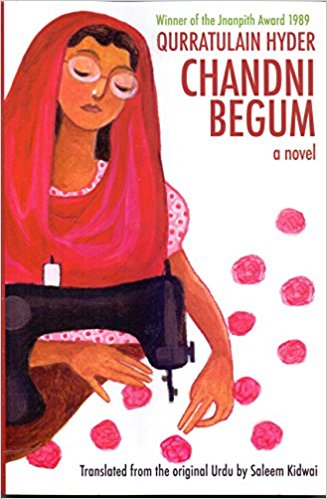
Qurratulain Hyder
2017
Qurratulain Hyder, fondly known as Annie Apa, seems to be so present in her different characters in the novel Chandni Begum that meeting them in the novel brings back fond memories of her. Particularly in this novel in its English avatar, that emanates the Lucknavi ambience she understood so well.
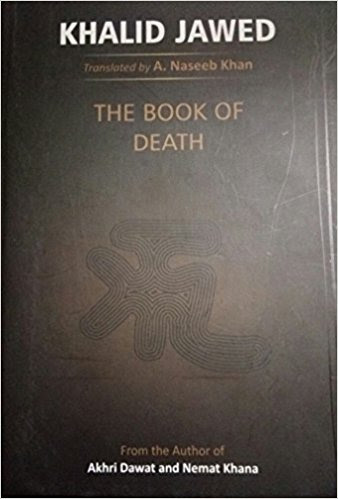
Khalid Jawed
‘Each day, we wake slightly altered, and the person we were yesterday is dead. So why, one could say, be afraid of death, when death comes all the time?’ —John Updike. The fear of death is the most confounding of all fears. And also the most compelling. For, death is a certainty, a foretold conclusion of a life, any life. That which is born must die yet the feelings and emotions death evokes surpass the beauty and mystery and grief of life.
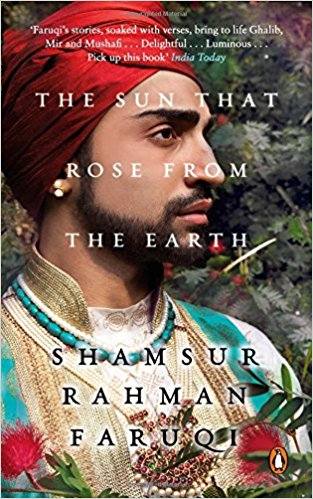
Shamsur Rahman Faruqi
This is a collection of five long stories, rendered into English by the author himself, who first published it in Urdu in 2001 from Karachi, and, from Allahabad in 2003, with title, Savaar aur Doosray Afsanay (lit. The Rider and Other Stories). It is set in the 18th-19th centuries north India, specifically the region stretching from Delhi to Bihar.
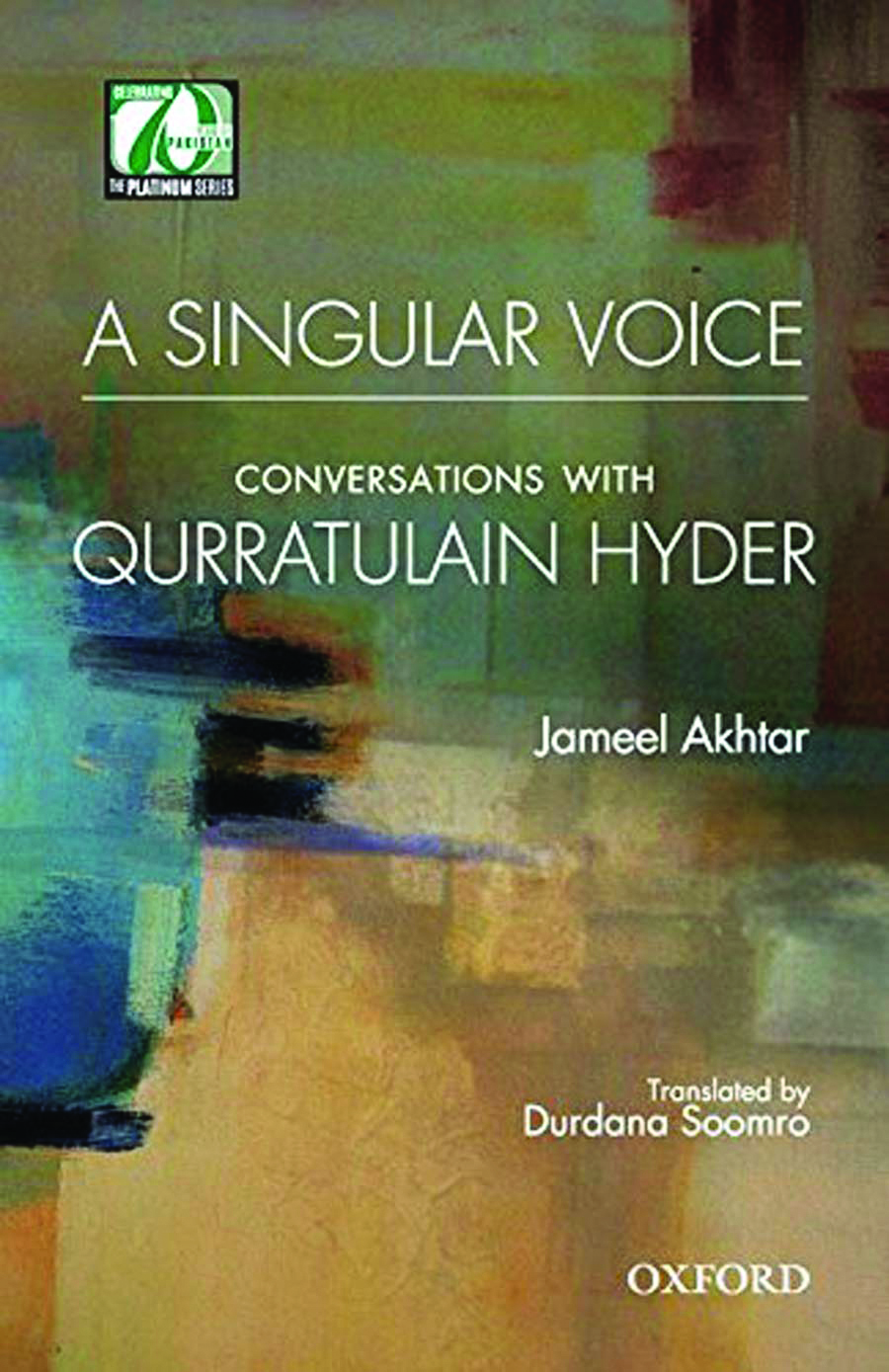
Jameel Akhtar
When Jameel Akhtar took on the Herculean task of interviewing Qurratulain Hyder at length, her initial reaction was, ‘I don’t give interviews. I’m fed up with people. All those stupid boring questions, the same old stuff repeated over and over again, talking rot—No! No!’
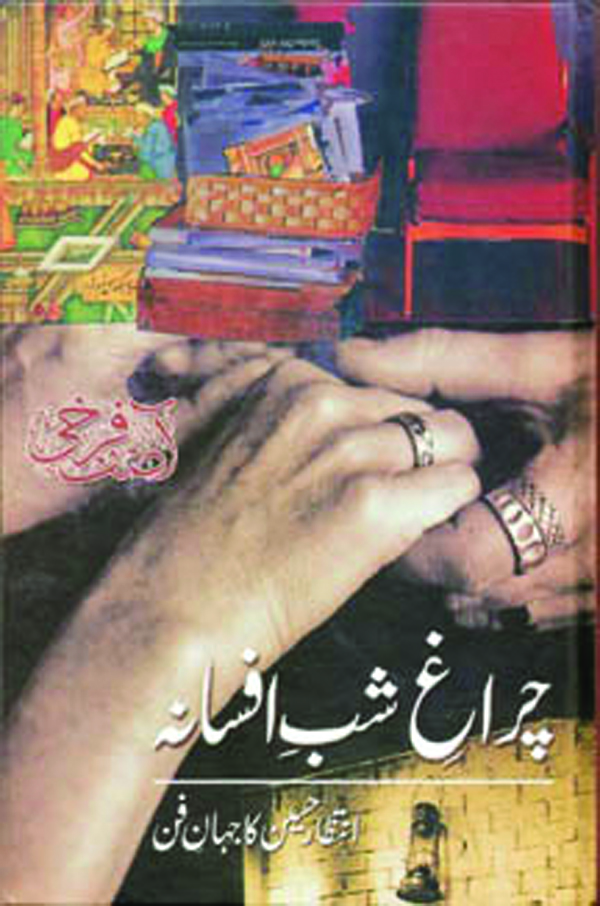
Asif Farrukhi
For avid readers of Urdu who may not be its scholars, Urdu prose, especially,
genres such as short stories and novels mostly trigger the names of Prem Chand, Qurratulain Haider, Saadat Hasan Manto, Ismat Chughtai, Rajender Singh Bedi, Krishan Chandar and the like.
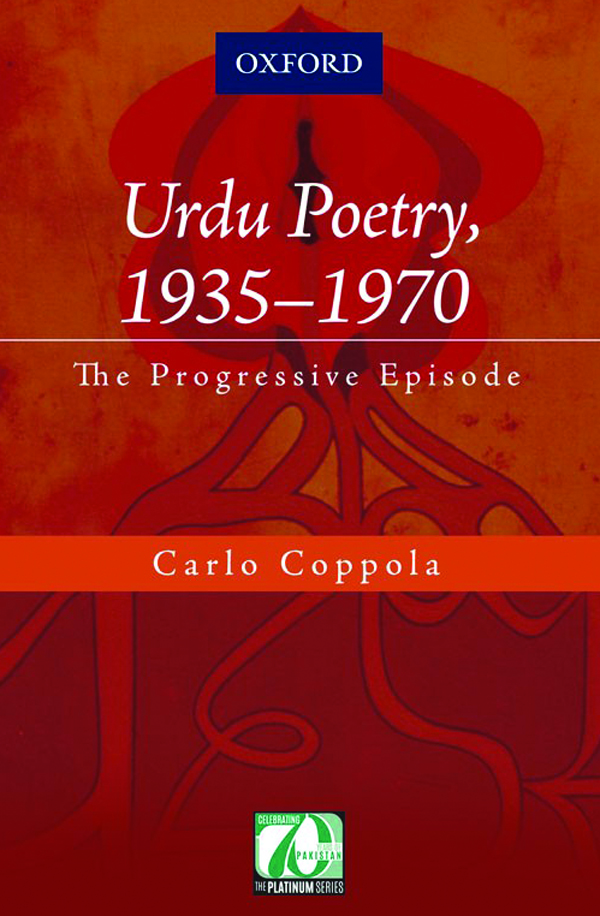
Carlo Coppola
The All India Progressive Writers’ Movement (AIPWM) has engendered much interest among scholars and academics. Most histories and critical estimations of Urdu literature dwell on the radicalization it brought about.
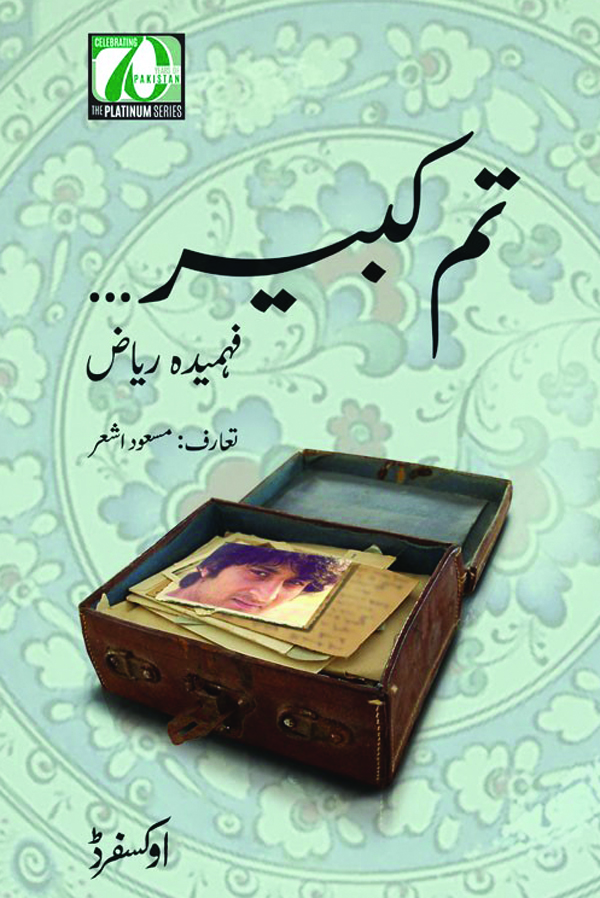
Fahmida Riaz
2017
Tum Kabir (2017) is the seventh col-lection of poems of Fatima Riaz—a celebrated Progressive Urdu writer of Pakistan who challenged both the traditional form and idioms that have dominated Urdu poetry since its inception.
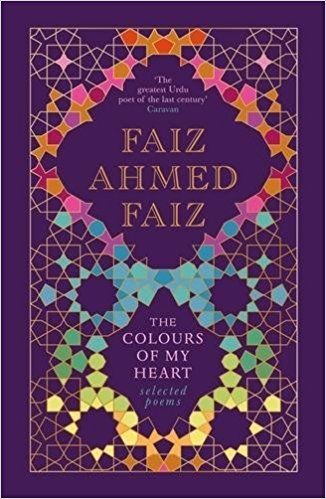
Faiz Ahmed Faiz. Translated from the Urdu
In his important essay, ‘The Task of the Translator’, German philosopher Walter Benjamin argues that the aim of translation is not to convey the literal meaning of the original, but rather to show how two languages are related to one another through their connection to a greater, imaginary language.
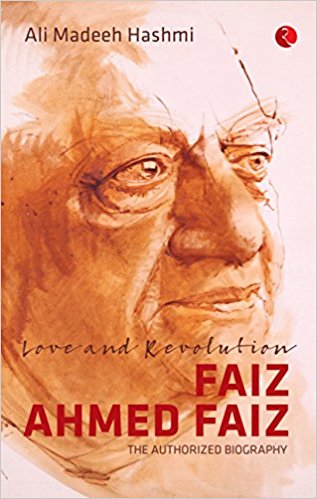
Ali Madeeh Hashmi
A biography of Faiz in English has long been overdue. There has been a biography in Urdu by the distinguished Russian Writer/Urdu scholar Ludmila Vasilyeva, friend and translator of Faiz Ahmed Faiz, Faiz: Hayat Aur Takhleeqat,
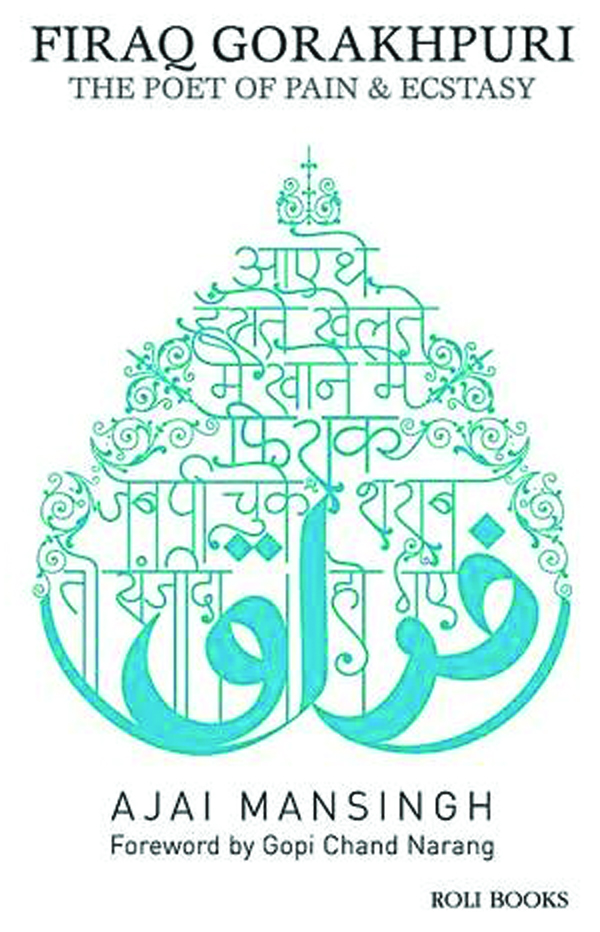
Ajai Mansingh
This is an endearing biography of Raghupati Sahay or ‘Firaq Gorakhpuri’ one of the great Urdu poets of the last century. Written by a close relative it is an admiring but not uncritical portrait of the poet and largely based on conversations with and personal diaries and letters of the poet’s other close relatives.
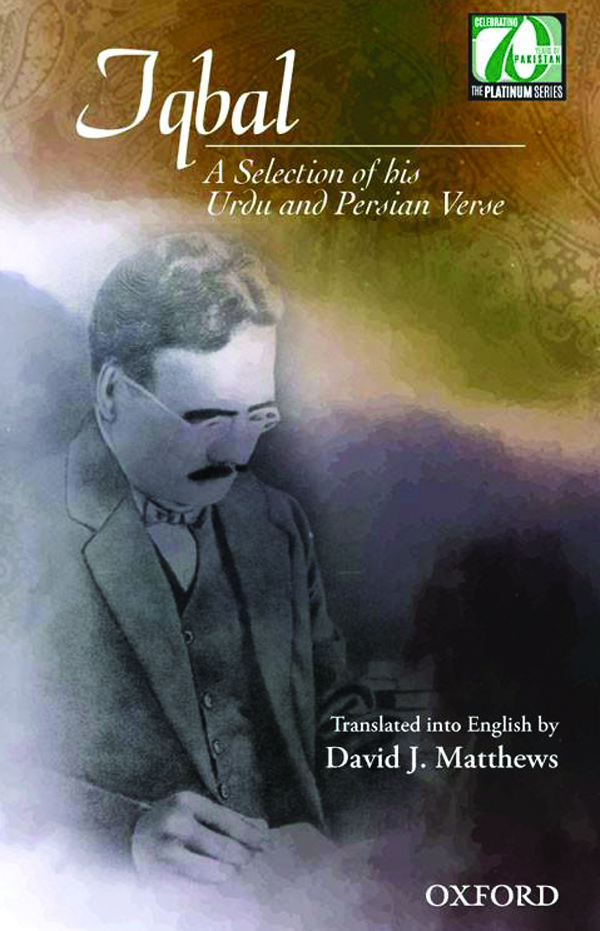
Urdu by David J. Matthews
David J. Matthews’s translation of the Urdu and Persian verses by Iqbal opens up a world of ideas and events that Iqbal has witnessed/thought about in his works. The text of each poem included in this book is followed by a brief commentary to showcase the historical and the literary context.
Asif Farrukhi
Majmua-e-Jeelani Bano (2017) is a compilation of short stories and letters of Jeelani Bano, one of the important literary voices of Urdu literature of the twentieth century. A recipient of Padma Shri, the highest civilian award, Bano has about 22 books to her credit and has dabbled in varied genres from short story to novel, stories for children and writing for television.
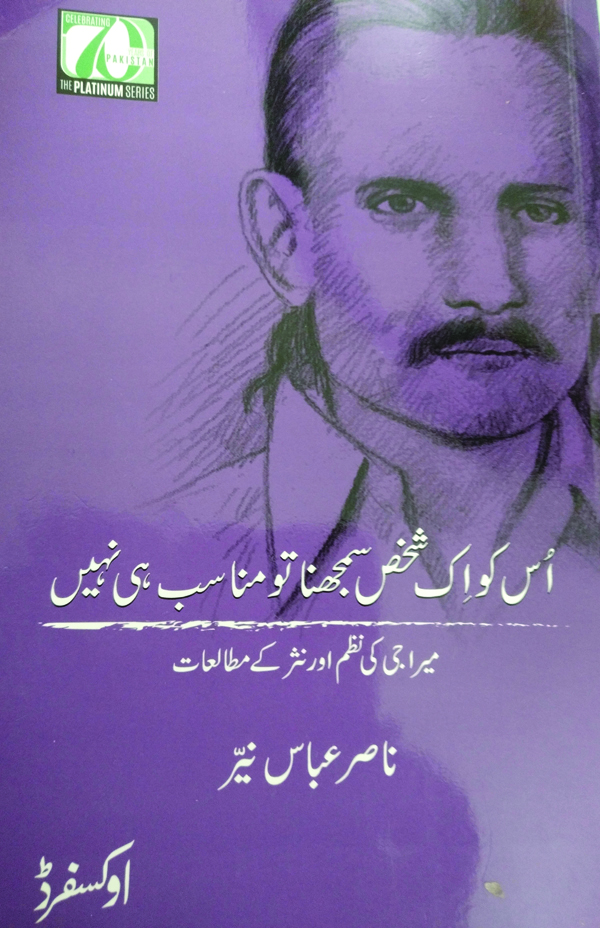
Geeta Patel
With the title, Nasir Abbas Nayyar throws a gauntlet in front of readers—it is not appropriate to think of him, Miraji, as a person, an individual, a shakhs. Nayyar qualifies this statement with the subtitle: readings of Miraji’s poetry and prose.

Intizar Hussain
Is newspaper column an art or science? Probably a column doesn’t fall in either of these two categories that have been traditionally in vogue to define diverse, though not antagonist, serious productions of the human mind.
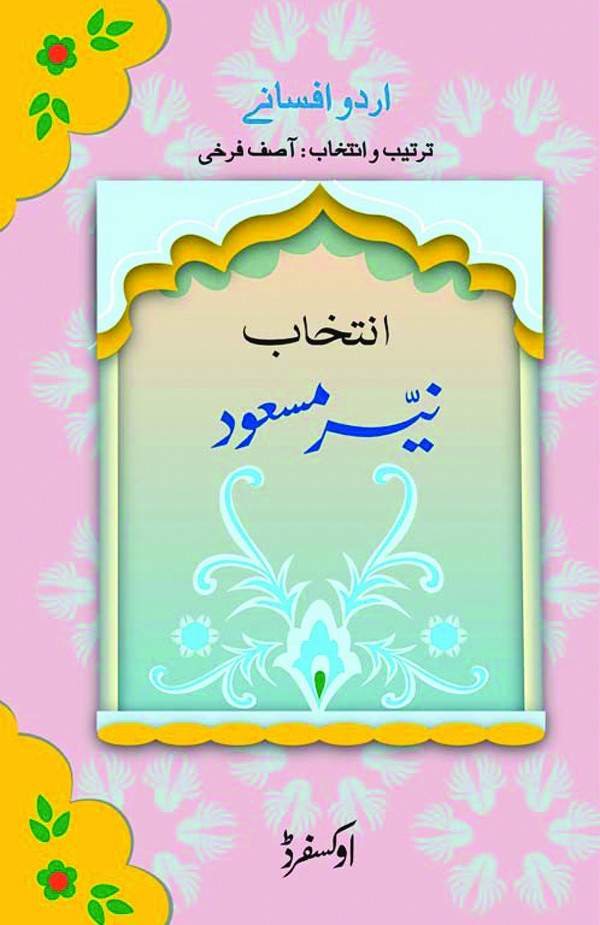
Naiyer Masud
Naiyer Masud’s short stories bring to mind the writings of mavericks like Haruki Murakami, Jose Saramago, Franz Kafka, Edgar Allen Poe, Robert Walser, Jorge Luis Borges and many more. However, he carves out a separate place for himself within the literary oeuvre.
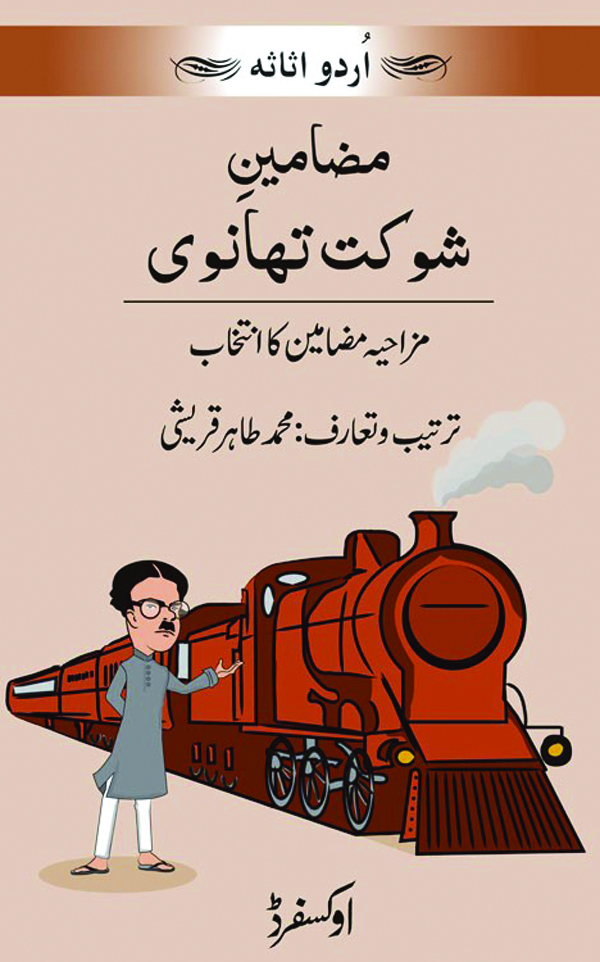
Mohammad Tahir Qureshi
Mark Twain is believed to have said, ‘Humanity has unquestionably one really effective weapon—laughter. Power, money, persuasion, supplication, persecution—these can lift at a colossal humbug, push it a little, weaken it a little, century by century, but only humour can blow it to rags and atoms at a blast. Against the assault of laughter nothing can stand.’
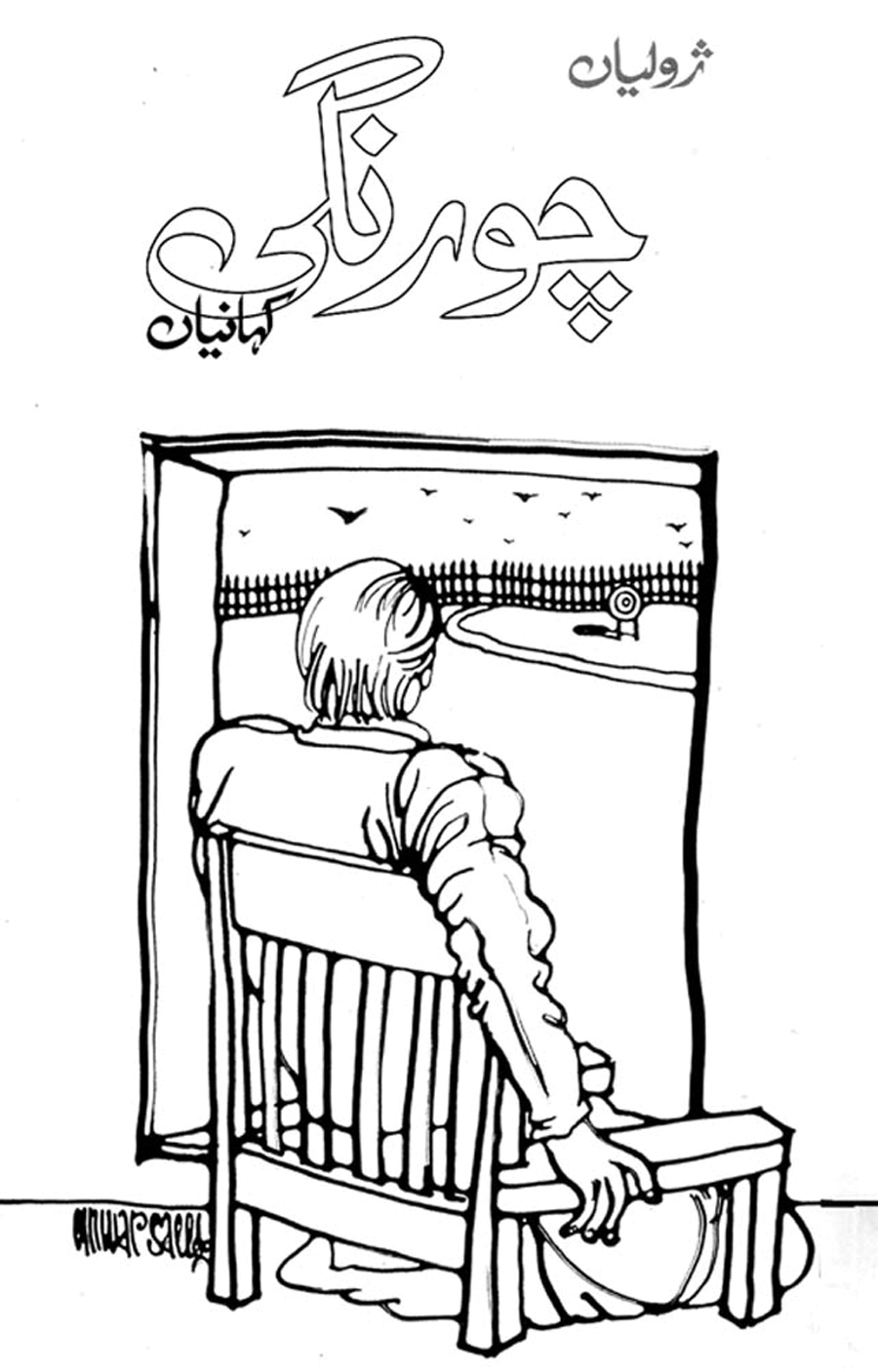
Julien Columeau
2017
Julien Columeau has been critically praised for the elasticity he brings to his adopted language through his narrative style and content. Though his stories are first written in French, his natural language, he finds it similar to a Baroque painter’s exercise to transfer them to Urdu and in this translation, he recreates and rewrites his stories.