
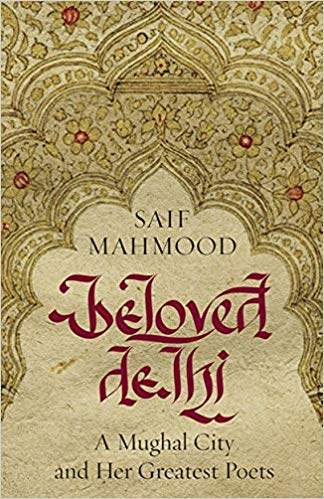
Saif Mahmood
I first encountered the writings of Saif Mahmood on the pages of First City magazine. Apart from the pecuniary challenges it presented a University student, everything about the magazine was very novel. The design, photographs and the presentation was very attractive; the stories were inventive, columnists diverse, and subjects extended from newly arrived migrant at the Nizamuddin station to the poets of the hoary past.
Jandhyala B.G.Tilak
A few years after I had joined…
Meenakshi Thapan
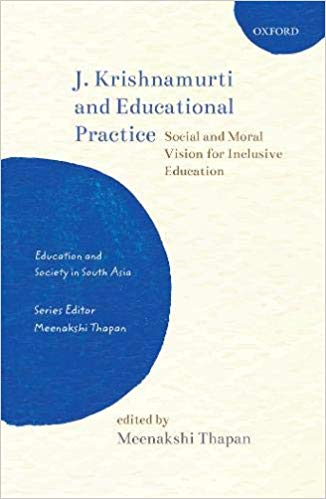
As J. Krishnamurti and Educational Practice: Social and Moral Vision for Inclusive Education edited by Meenakshi Thapan enters circulation, I wondered how to write a non-conventional review of it. That is, to outline the politics in which it can be located and read, rather than say what it contains and what it does not.
Nazia Erum
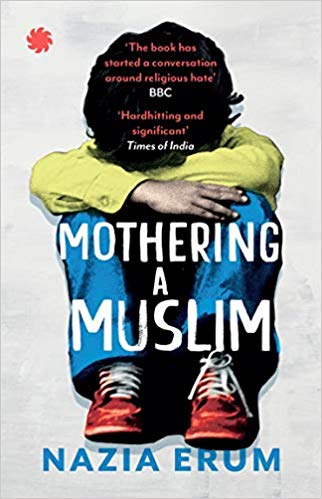
“From the mundane to the marked, everything goes through a scanner in the head from the viewpoint of being a Muslim. And living the Muslim tag. You cannot run from it. You cannot hide from it. You cannot embrace it.” (p. 68). The author, Nazia Erum, runs a fashion start up. She is an educated, working woman, living in a metropolitan city.
Hem Borker
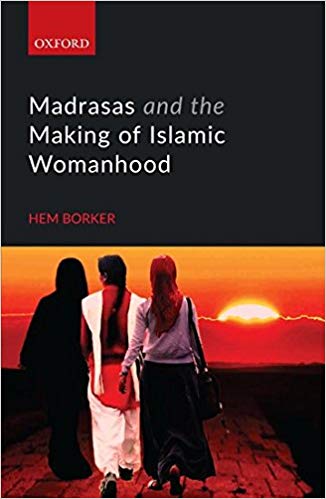
This book is a study of madrasas and the role they play in educational attainment and construction of Muslim identity in modern India. It is unique in focusing on the educational journey of Muslim girls where much attention has been paid to boys and young men. It looks beyond madrasas as institutions of religious learning and instead focuses on the role they play in addressing Muslim girls’ educational aspirations.
Nandita Haksar
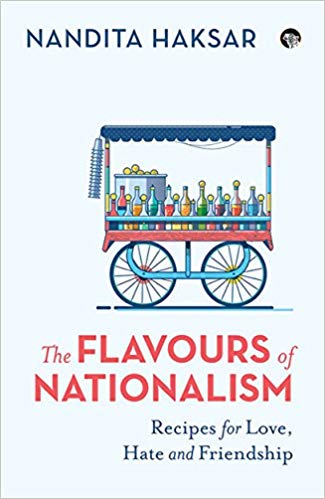
Nandita Haksar book, The Flavours of Nationalism, reminds us that food is not just a personal affair, it is also politically charged. In this brilliantly composed memoir Haksar writes about how food shaped her ideas about politics and culture and at the same time introduced her to the notions of communalism, patriarchy and nationalism which were all embedded in the way that food was prepared, shared and consumed.
Ghulam Murshid
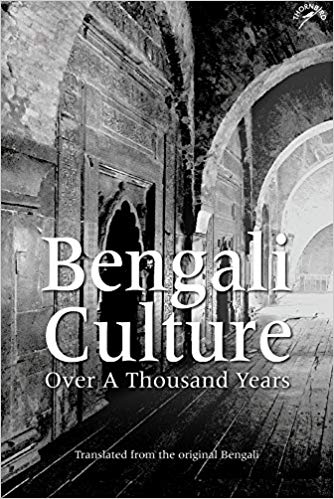
Authored, translated and about to be reviewed by a Bengali (a curious coincidence, indeed), this book by Ghulam Murshid, a well-known Britain based academic of Bangladeshi origin, is yet another addition to the large corpus of writings on the Bengalis. It offers, as Murshid says, ‘a general idea of Bengali culture’. But this thousand years old culture has neither been uniform nor unchanging; all cultures, for that matter, show exactly the same traits.
Divya Vaid
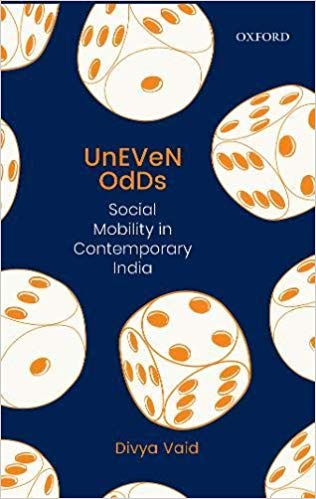
The importance of a book on social mobility in India can hardly be over-emphasized when nearly three decades of economic reforms are to be completed. A crucial premise of ‘economic liberalization’ was that deregulation of various aspects of the economy would create new opportunities, which were hitherto chained by the nexus of the traditional capitalists with the bureaucracy on one hand and government monopolies in certain areas apparently restricting dynamism on the other.
Sarbeswar Sahoo
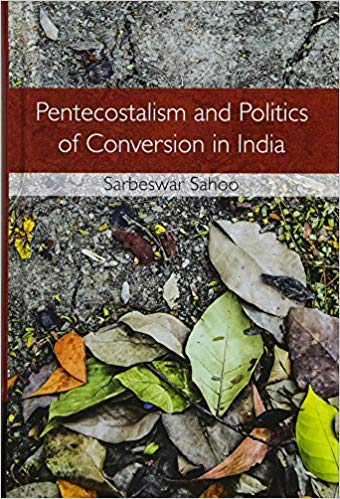
Sarbeswar Sahoo’s Pentecostalism and Politics of Conversion in India is a significant study of one of the most sensitive issues in the politics of religion in India. Barring the limitation that usually goes with ethnographic studies—the exclusive focus on a limited location in studying what is a pan-Indian issue—this book is a must read for those interested in knowing the truth about conversion and re-conversion in India.
Irfan Ahmad
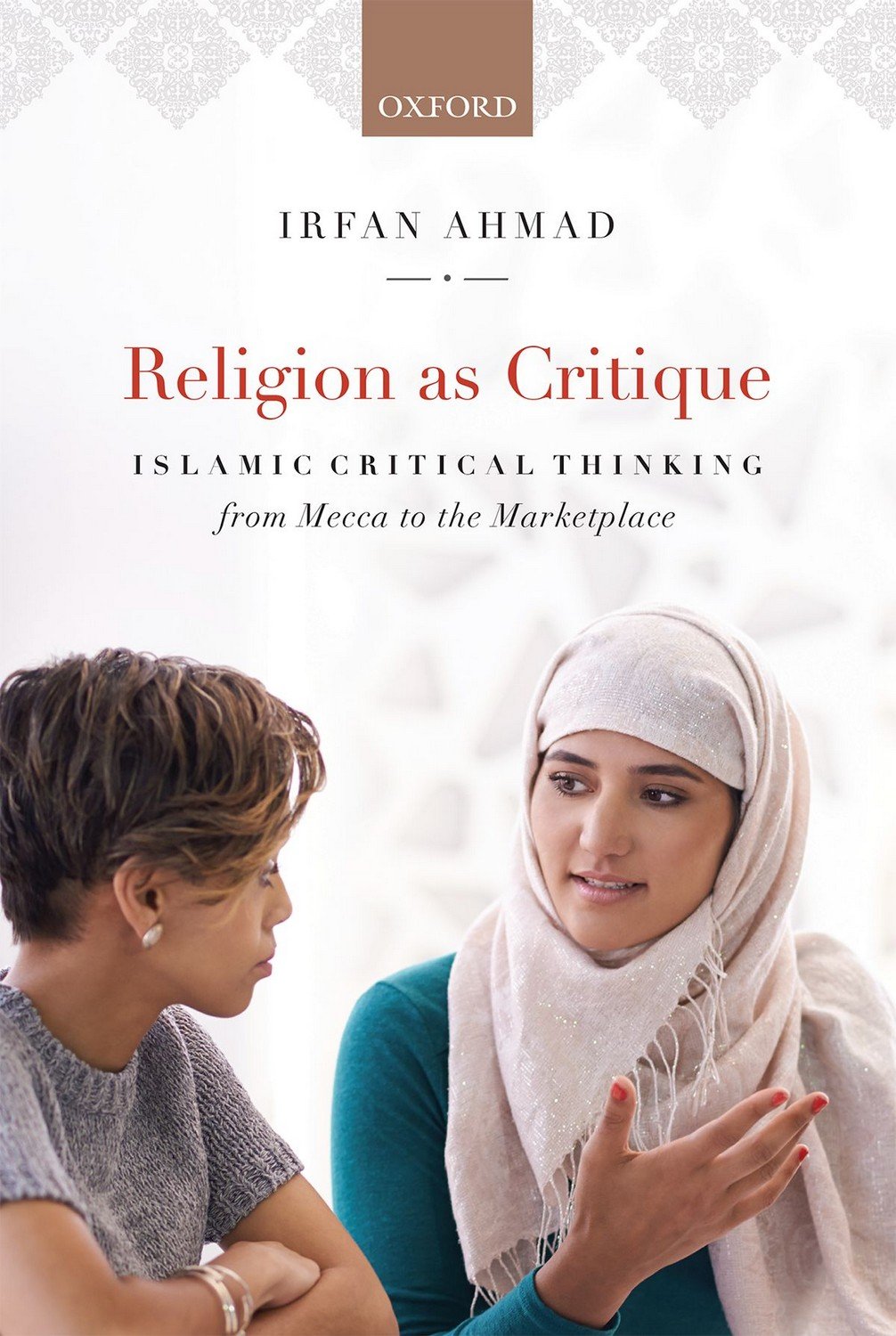
Irfan Ahmad asks the reader to look for something in Islam which we all believed never existed, i.e. critique. He explores critique in Islam, when we understood that Islam was actually hostile to critique. In this book Ahmad has two main arguments; first being that ‘reason, critique, and reflexivity’ did not begin with the Enlightenment or with Kant. Rather, it can be traced back to prophets and savants of the axial age, some of whom we know as founders of major world’s religions.
Anirudha Bhattacharjee & Balaji Vittal
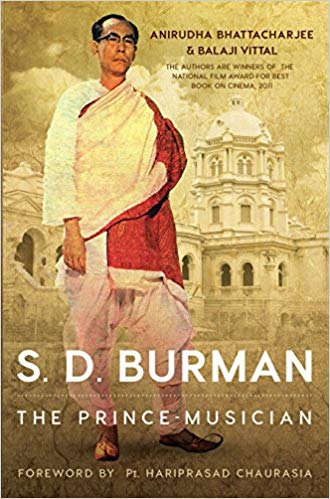
Sachin Dev Burman was a colossus,…
Asha Rani Mathur
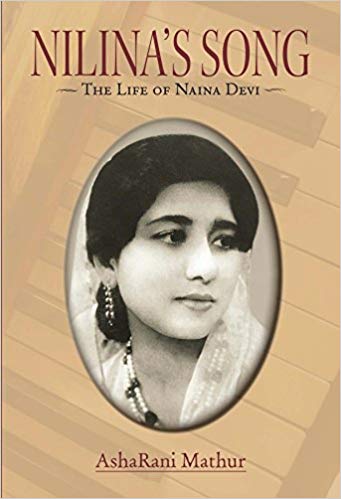
There are two underlying narratives in this short but fine biography. One is the story of a set of remarkable women–patrons, musicians, enthusiasts who set the tone to cultural life in dusty Delhi after Independence. Upper class, confident, accomplished, generous, an amalgam of grace and nationalism—Sumitra Charat Ram, Nirmala Joshi, Nina Ripjit Singh (Naina Devi) and later Dipali Nag and Sheila Dhar were names to reckon with.
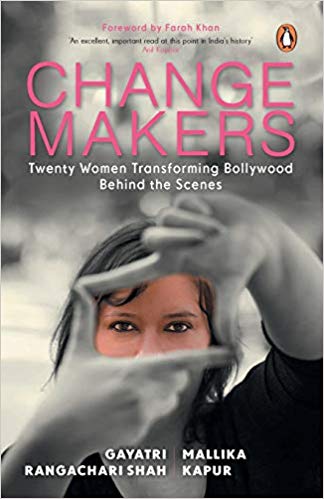
Gayatri Rangachari Shah and Mallika Kapur
Bollywood is the surround sound that wraps us in its glitzy embrace. A constant presence and point of reference, a subject that consumes us and keeps curiosity levels high—stardom and celebrityhood, gossip and new benchmarks that define commercial success and keeps Bollywood in the public eye. We do know there is another world behind the show biz glitter but not many have told us these unsung stories of unknown achievers.
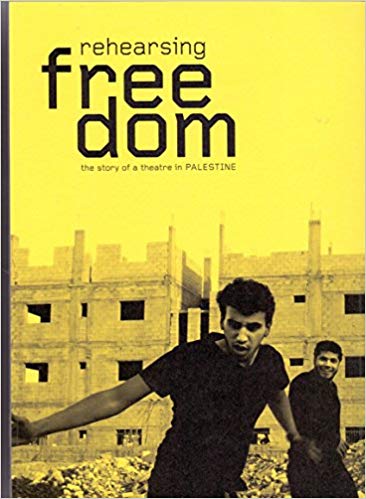
by Sherna Dastur/by Ola Johansson
In 2002, ‘Operation Defensive Shield’ the mammoth military onslaught of the Israeli Defence Forces, heavily bombarded large parts of Palestine, hoping to crush the second Intifada. Thousands of Palestinians died and thousands more were detained. Palestine was under siege. The UN reports state that this siege not only restricted the life and mobility of citizens but also that of medical and humanitarian aid by sealing off villages, refugee camps, and cities.
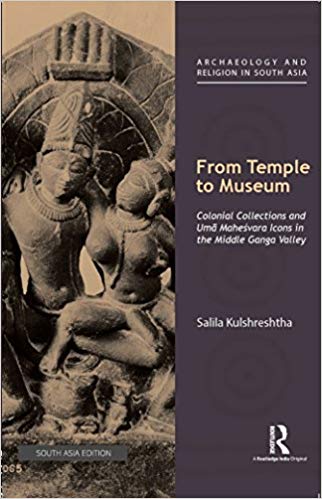
Salila Kulshreshtha
The present work is a result of a thoroughly revised and updated version of a doctoral thesis submitted to the Centre for Historical Studies, Jawaharlal Nehru University, New Delhi. Based primarily on the analysis of Uma Maheshvara icons that once adorned the temples in the middle Ganga Valley this monograph has been published in the Routledge Series ‘Archaeology and Religion in South Asia’.
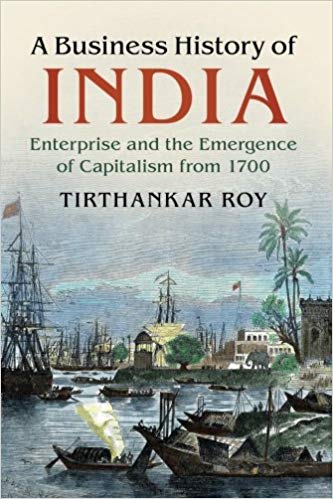
Tirthankar Roy
Few books that I have read in the last few years are as good as this one. For one thing, Roy writes surprisingly well for an academic and when the subject is as dry as business history this is an invaluable asset. But it is not just the style. The content, too, is entirely satisfying because it makes one want to engage with the author, who is as erudite as he is opinionated—and I don’t mean that in a bad way.
Anwesha Roy
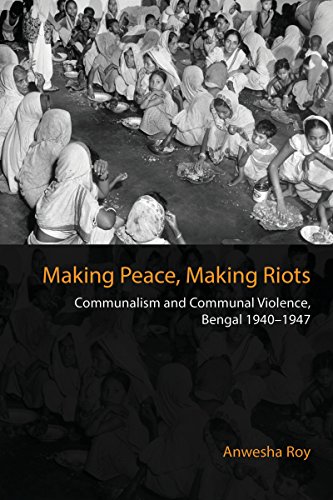
The author, Anwesha Roy, analyses the events of a turbulent phase of Indian politics in six chapters based upon an extensive range of sources that include confidential letters and reports like that of the Report of the Dacca Riots Enquiry Committee in the Home Political Proceedings and files, Police Records, Intelligence Branch records from the West Bengal State Archives and the National Archives of India, New Delhi.
Francis Robinson
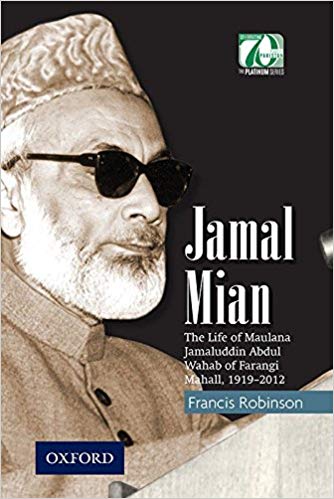
In 1976, two years after the publication of Francis Robinson’s first book, Separatism Among Indian Muslims, he was invited to meet Maulana Jamaluddin, the son of one of the book’s major protagonists, Maulana Abdul Bari, whose alliance with Mahatma Gandhi and the other leaders of the Khilafat movement just after World War I stands as a milestone in the narrative of early twentieth century Indian political history.
Ira Mukhoty
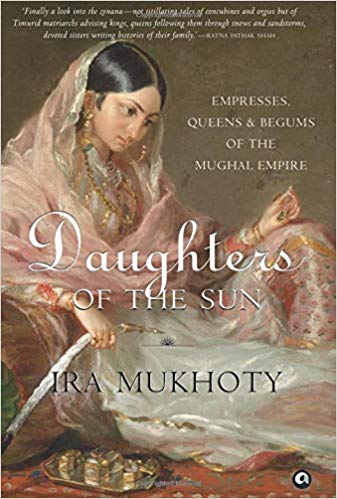
Daughters of the Sun chronicles the lives of Mughal women—unmarried daughters, sisters, powerful, dynamic wives, anagas or milk mothers or foster mothers—who contributed to the building of the Mughal Empire. These women often worked from within the zenana or the women quarters; several of these women, however, accompanied the Emperor to the battlefield, engaged in diplomacy, were fiery traders, patrons of arts, aesthetics and literature…
Stephen Dale
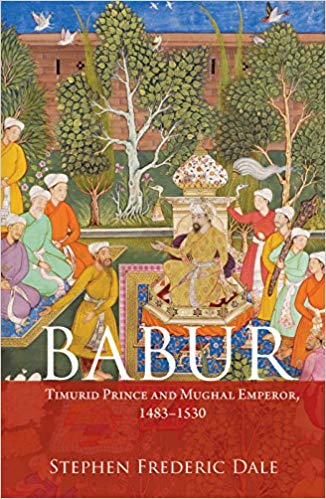
Zahir ad-Din Muhammad Babur (1483-1530) was a figure of utmost importance within the cultural and political landscape of 16th century central Asia and northern India. As the founder of the Indo-Afghan state, the basis of the later Mogul Empire, he also wrote, fortuitously, one of the most important autobiographical testimonies of his time, characterized by an impressive range of personal and political details, the Baburnama.