
History
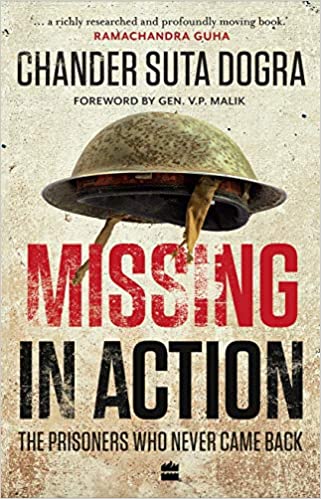
Chander Suta Dogra
Nations love their armed forces and nationalism thrives on war but wars have consequences for which neither the nationalists nor their leaders are usually prepared. Military and political histories also feast on war but in general do not pay adequate attention.

Shubha Mudgal, Aneesh Pradhan and Kunal Ray
Following from Javed Akhtar’s lament in the Foreword to this volume, there is much to be said for re-focusing our collective attention on the shabd (literally, word) or the text as a proxy for language (and not just in music), as the richness.
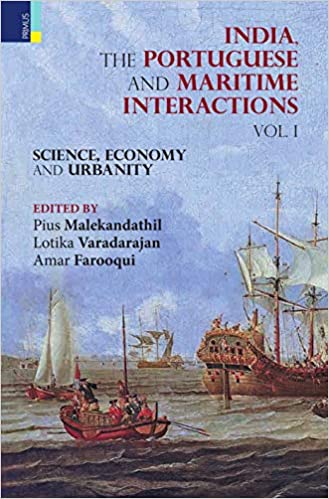
Pius Malekandathil, Lotika Varadarajan and Amar Farooqui
The sixty papers published in these two volumes were all presented at the 14th International Seminar on Indo-Portuguese History (ISIPH) held at Delhi in 2013. The first of these seminars was held at Goa in 1978 on the initiative of the late Father John Correia-Afonso.
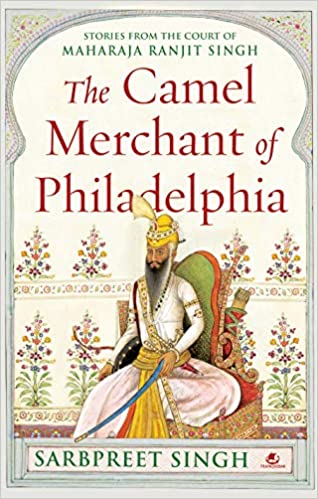
Sarbpreet Singh
The book under review, The Camel Merchant of Philadelphia, is a fascinating account of the life and times of Maharaja Ranjit Singh, the architect of the formidable Sikh State in the first half of the 19th century. While the rest of India.
Francis Robinson
The Muslim World in Modern South Asia: Power, Authority, Knowledge consists of a dozen articles (including an introduction) along with a roughly equal number of book reviews written by one of the leading historians of South Asian Muslims during the modern period.
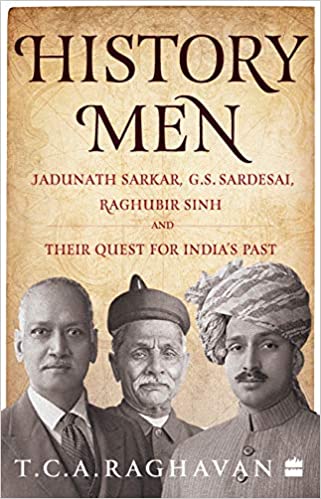
T.C.A. Raghavan
The zeal with which, in the late nineteenth and early twentieth-centuries, history enthusiasts of the Bombay Presidency went about unearthing old documents, and the kind of primary sources that they identified as being relevant to their search, did much.
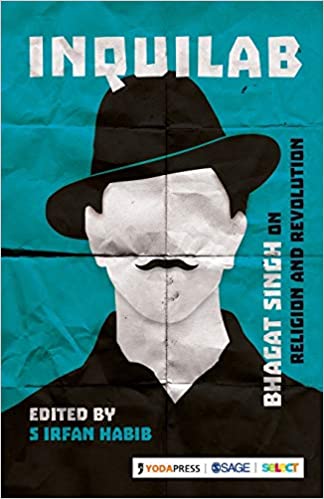
S. Irfan Habib
With the establishment of the dominance of the Hindu Right over Indian politics, their attempts to rewrite the history of Indian anti-colonial movement and appropriate its icons have intensified. Bhagat Singh has been an icon who has long been favoured by the Hindu Right.
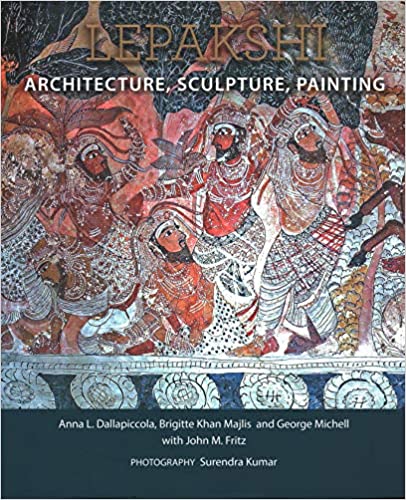
Anna L. Dallapiccola, Brigitte Khan Majlis and George Michell with John M. Fritz. Photography: Surendra Kumar
This book presents a fairly comprehensive primary coverage of the heart of the Lepakshi temple town where lay its religious and trade basis. Its richly painted ceilings take us beyond an identification of religious iconography to tell us about the shifts.
Suchethana Swaroop, translated from the original Kannada by N.S. Raghavan
A very intriguing title with the promise of opening up grand vistas of history. Let us see how far it succeeds.
The author starts out with the premise that the great epics, even in their oral form, have played a decisive role in the making of the history.
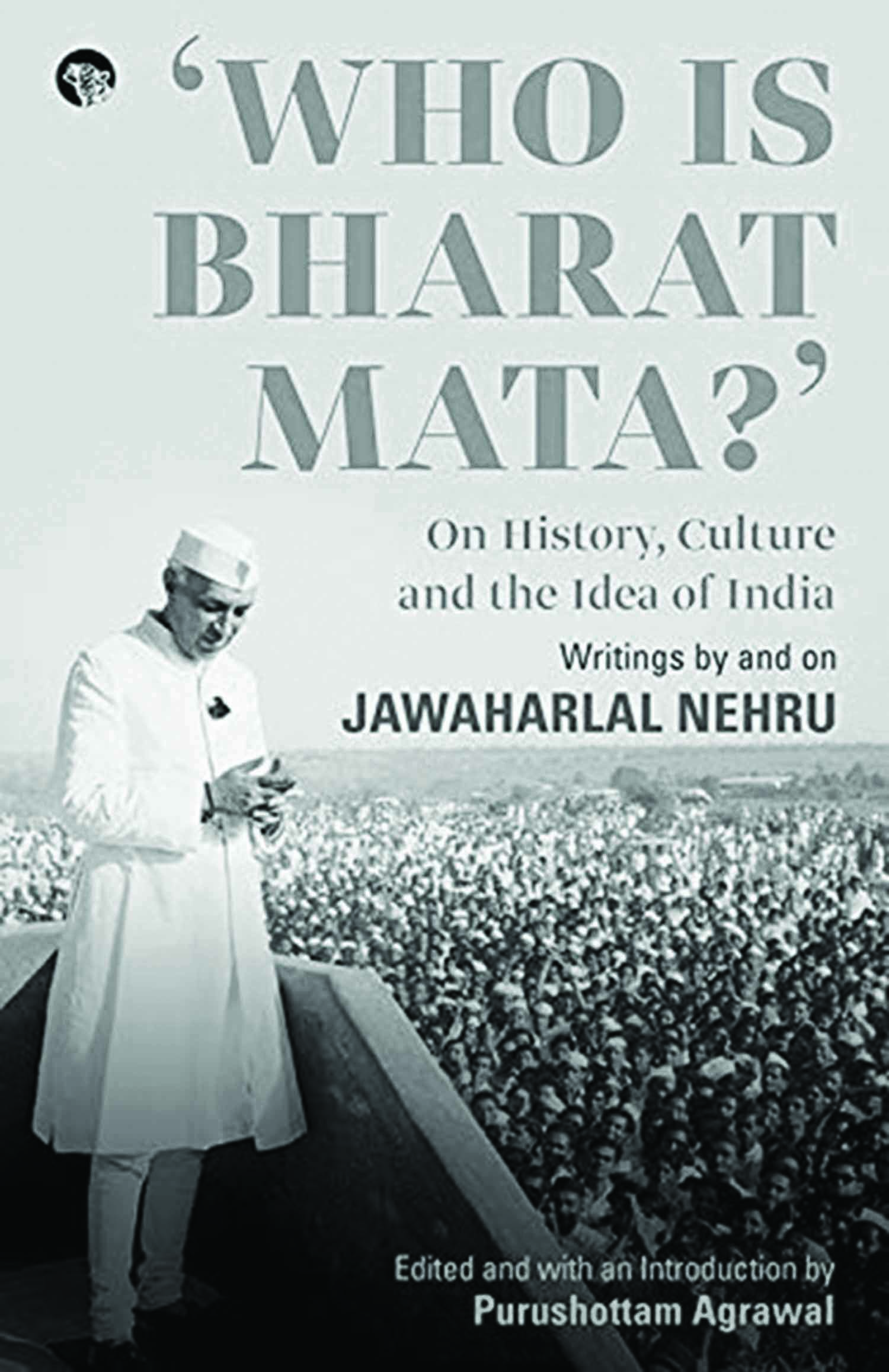
Purushottam Agrawal
2019
Purushottam Agrawal’s edited book on Nehru, provocatively titled Who is Bharat Mata?—among many other admirable qualities—has the grace of opportune timing. It comes at a precarious moment of our history when the memory of Nehru is dimming, almost irrevocably one.
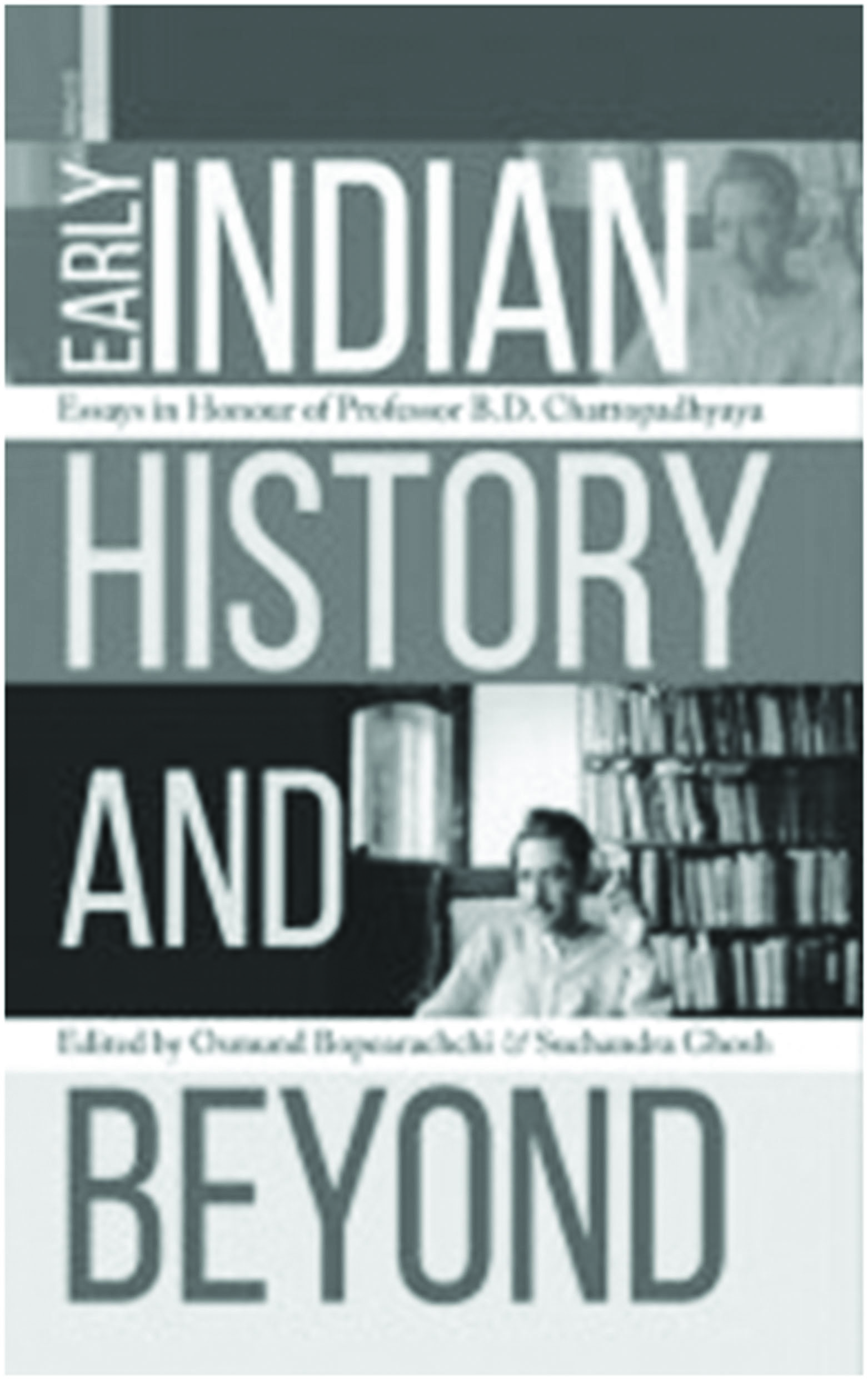
Osmund Bopearachchi and Suchandra Ghosh
The work of historians is to deconstruct the past and re-present it, not necessarily as a coherent whole or one of consensus (Joan Scott, Gender and Politics of Representation) but rather, to explore the complexities in the past—including fissures and the conflicts that existed.
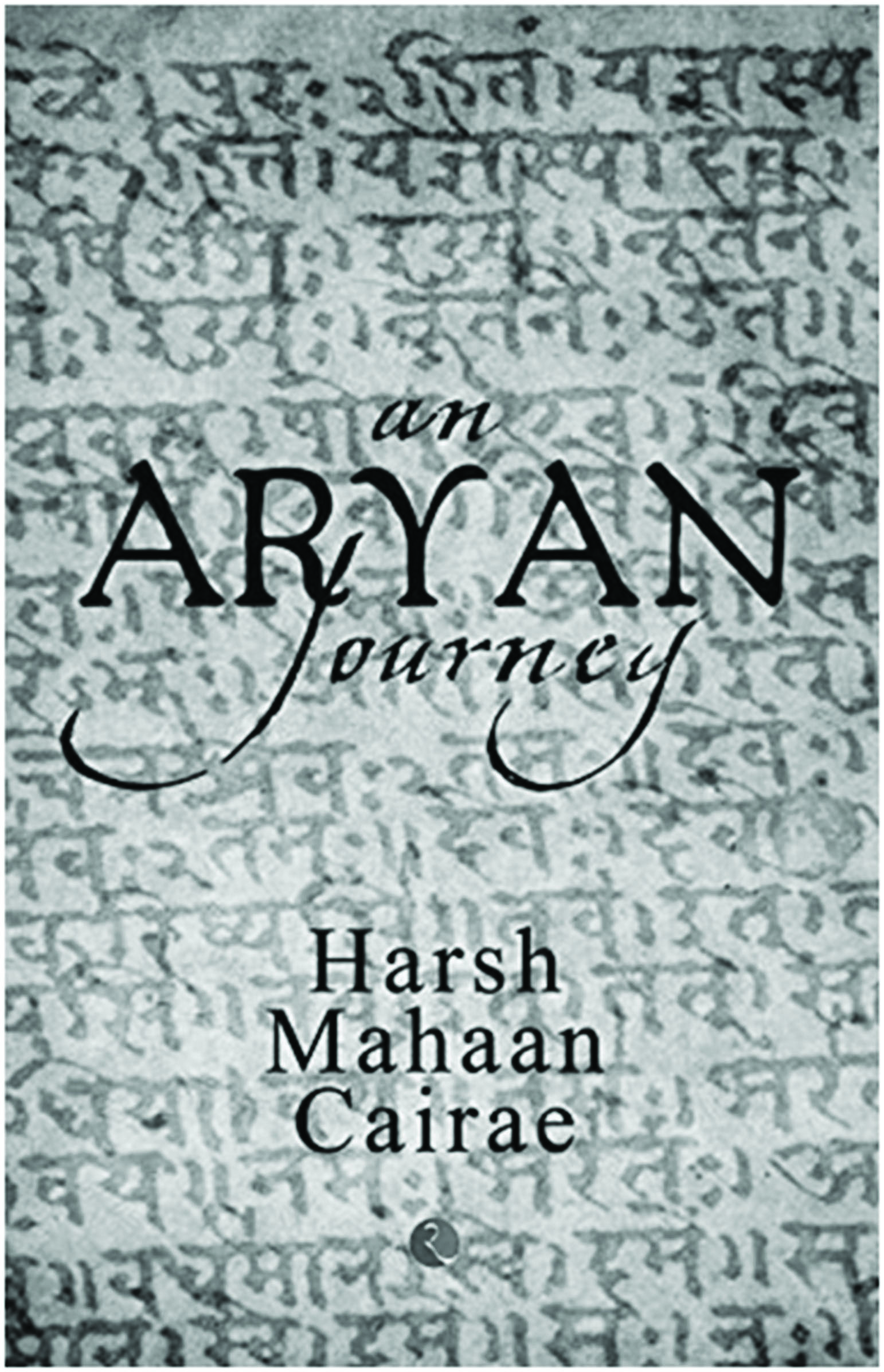
Harsh Mahaan Cairae
2014
This is a daring outlier of a book. At a time when genetic research, coupled with linguistic and archaeological studies, provide path-breaking revelations on ‘who we are and how we got here’, Harsh Mahaan Cairae has chosen to trace the journey of the Aryan.
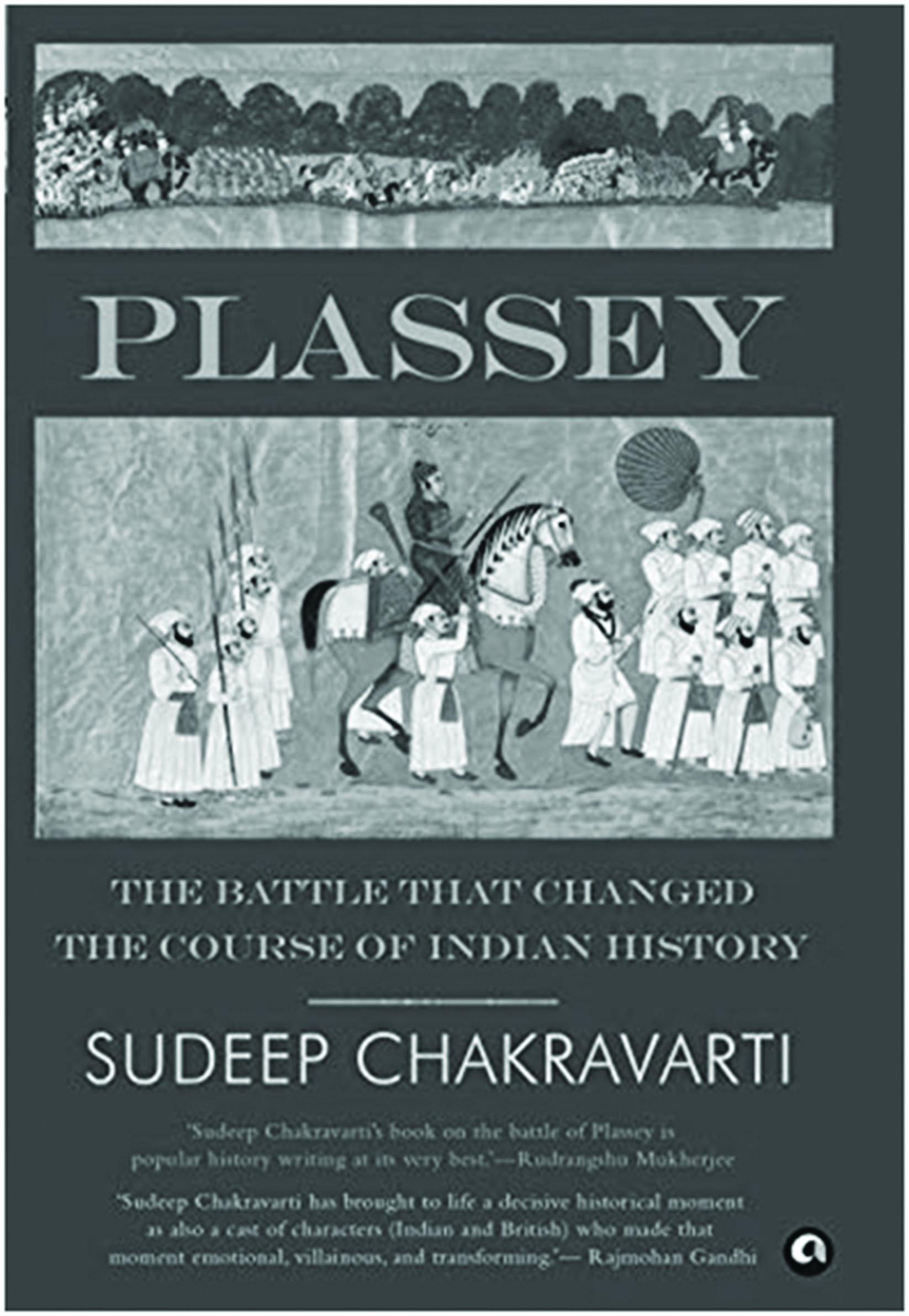
Sudeep Chakravarti
Before Robert Clive slit his jugular, perhaps in a paroxysm of violent pain in the abdomen, he had excused himself from a game of whist to visit the toilet. He was in his Berkeley Square townhouse in London and had ordered for his carriage to take him to Bath later after noontide.
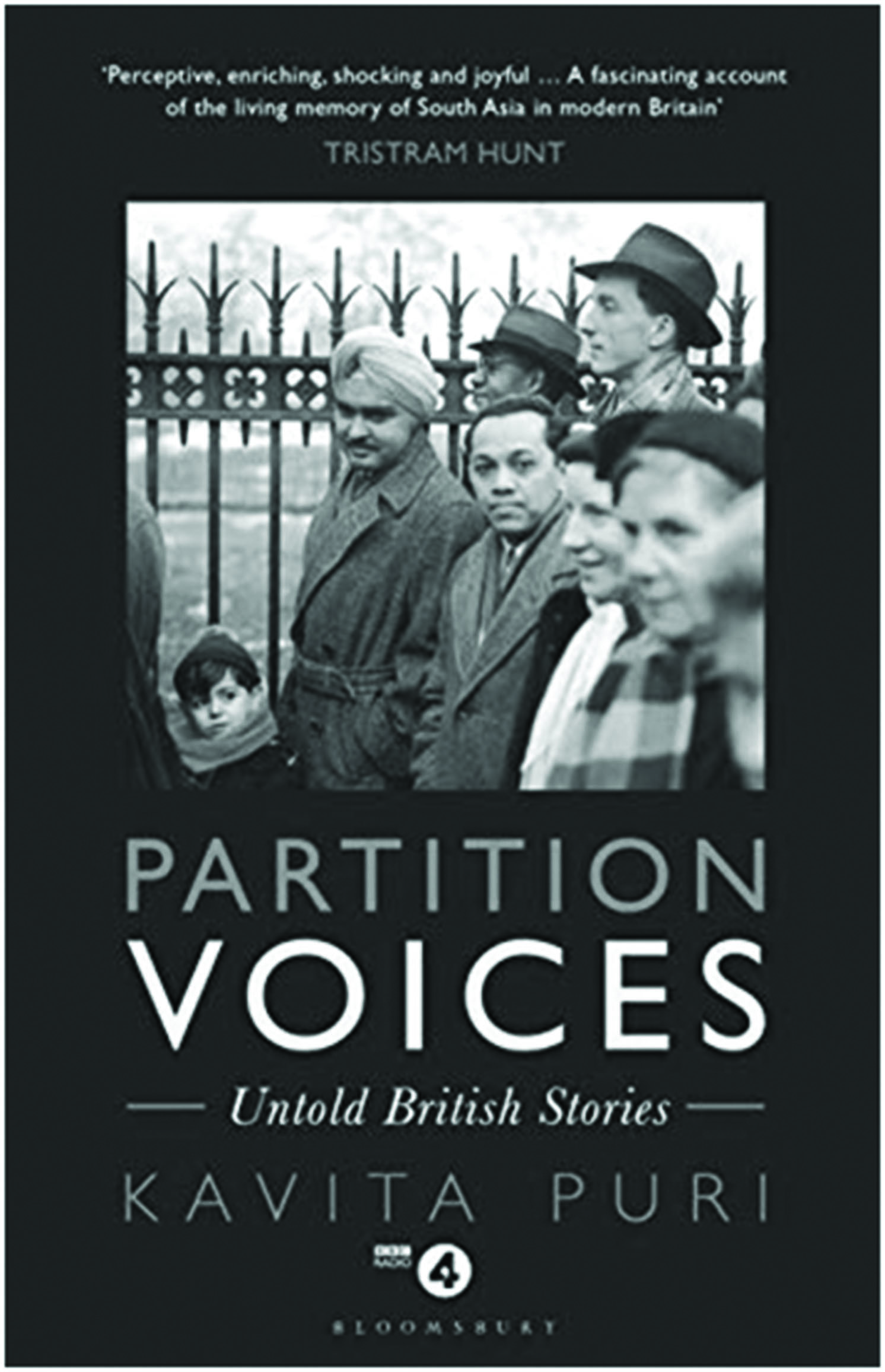
Kavita Puri
‘The 1940s’, observes Ashis Nandy, ‘introduced into the South Asian public life a new actor—the refugee.’
Bakhtiar Dadabhoy’s political biography of Salar Jung I, the administrator most often credited with engineering Hyderabad’s turn to modern times is a welcome addition to the field of Hyderabad studies. It tracks the life and times of a man widely acknowledged.
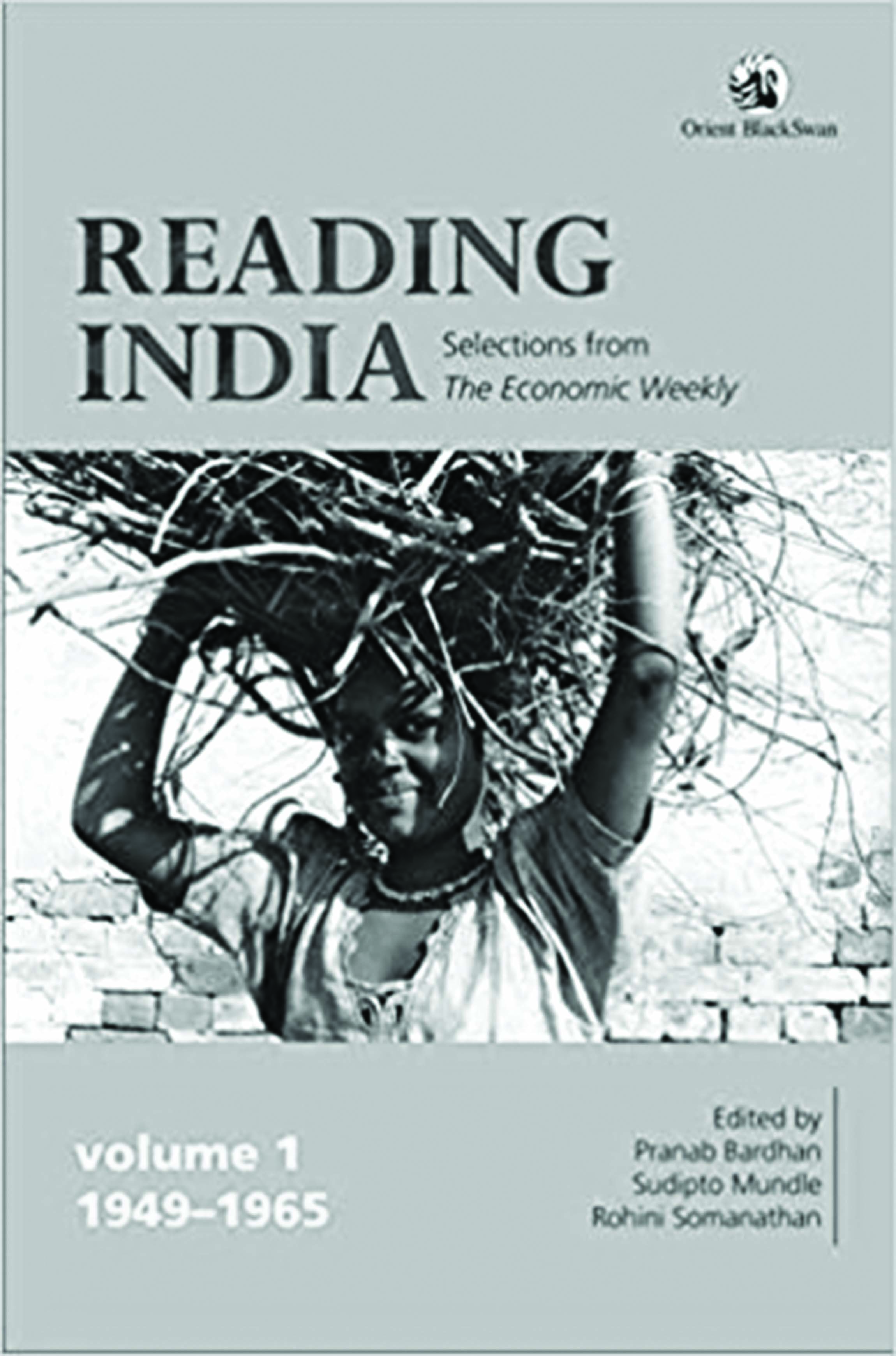
Pranab Bardhan, Sudipto Mundle, and Rohini Somanathan
As our Republic turns 70, there is a distinct anti-intellectual wind blowing in the air, by which I mean not merely a certain wariness often bordering on suspicion of ideas but outright disrespect for ideas that are not popular. Ideas that question or point to flaws.
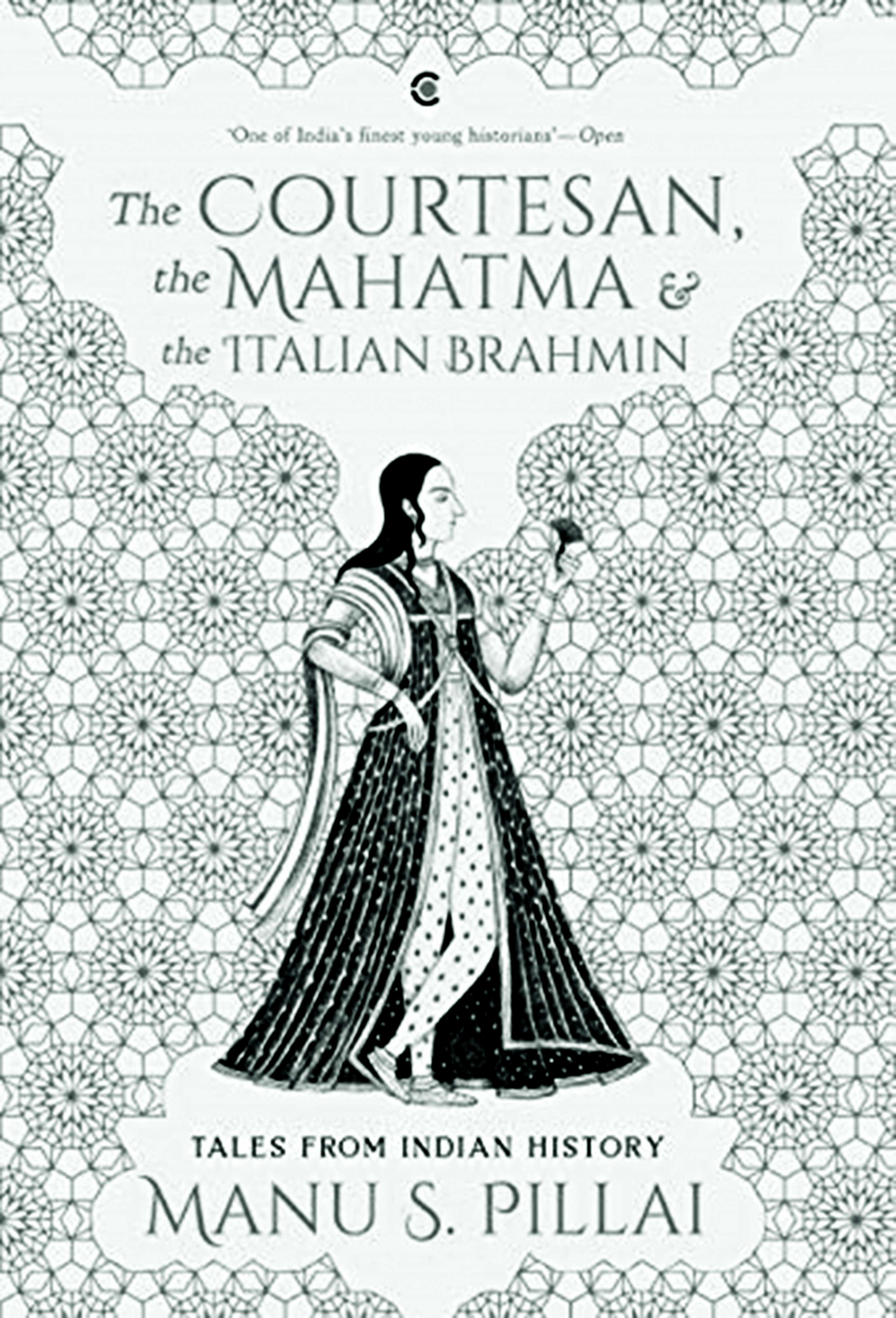
Manu S Pillai
Today history is being reinterpreted if not rewritten—mainly by those who would prefer India to melt into a single religious identity. But historical events and historical figures cannot be understood, let alone judged, in isolation. This can happen only.
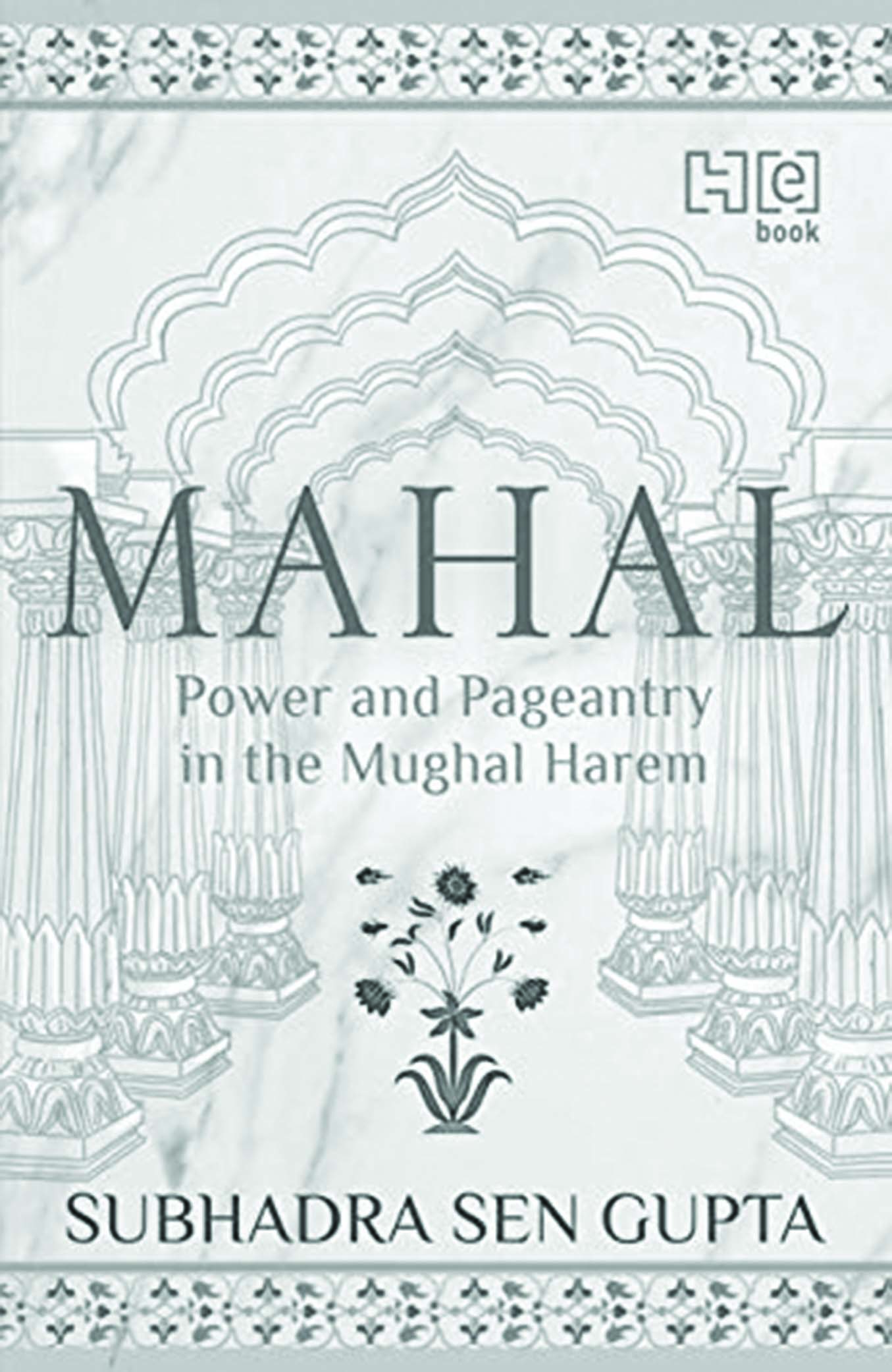
Subhadra Sen Gupta
It could be argued that recent discourse in the Indian socio-political milieu suggests a movement towards narratives that favour a particular interpretation of history at the expense of others, in order to further a specific ideological agenda.
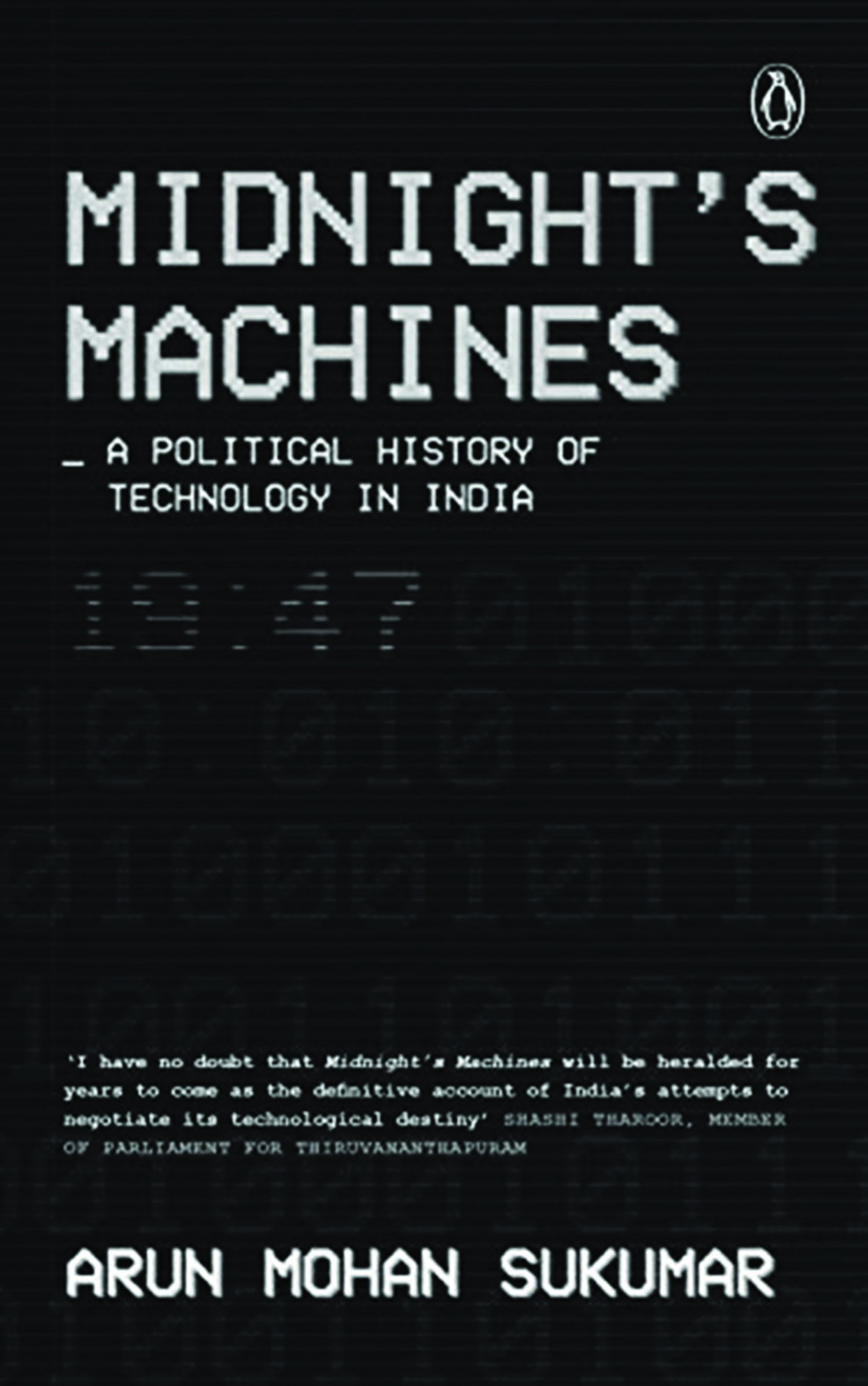
Arun Mohan Sukumar
This is a remarkable book, a sweeping political history of technology written by a scholar who is also adept at dispensing insights for those working in public policy. In Midnight’s Machines, we have ample evidence that its author Arun Mohan Sukumar has an impressive capacity to read documents.
Amiya P. Sen
Amiya Sen calls his book Chaitanya: A Life and Legacy: 1) a biography of Chaitanya, 2) a story that he has ‘narrated to himself’1 as a historian and ‘not as a scholar of religious studies’2, 3) a ‘not so serious yet reflexive’3 work which he believes will not please either the pious Vaishnava (‘for a palpable lack of faith’4).