
History
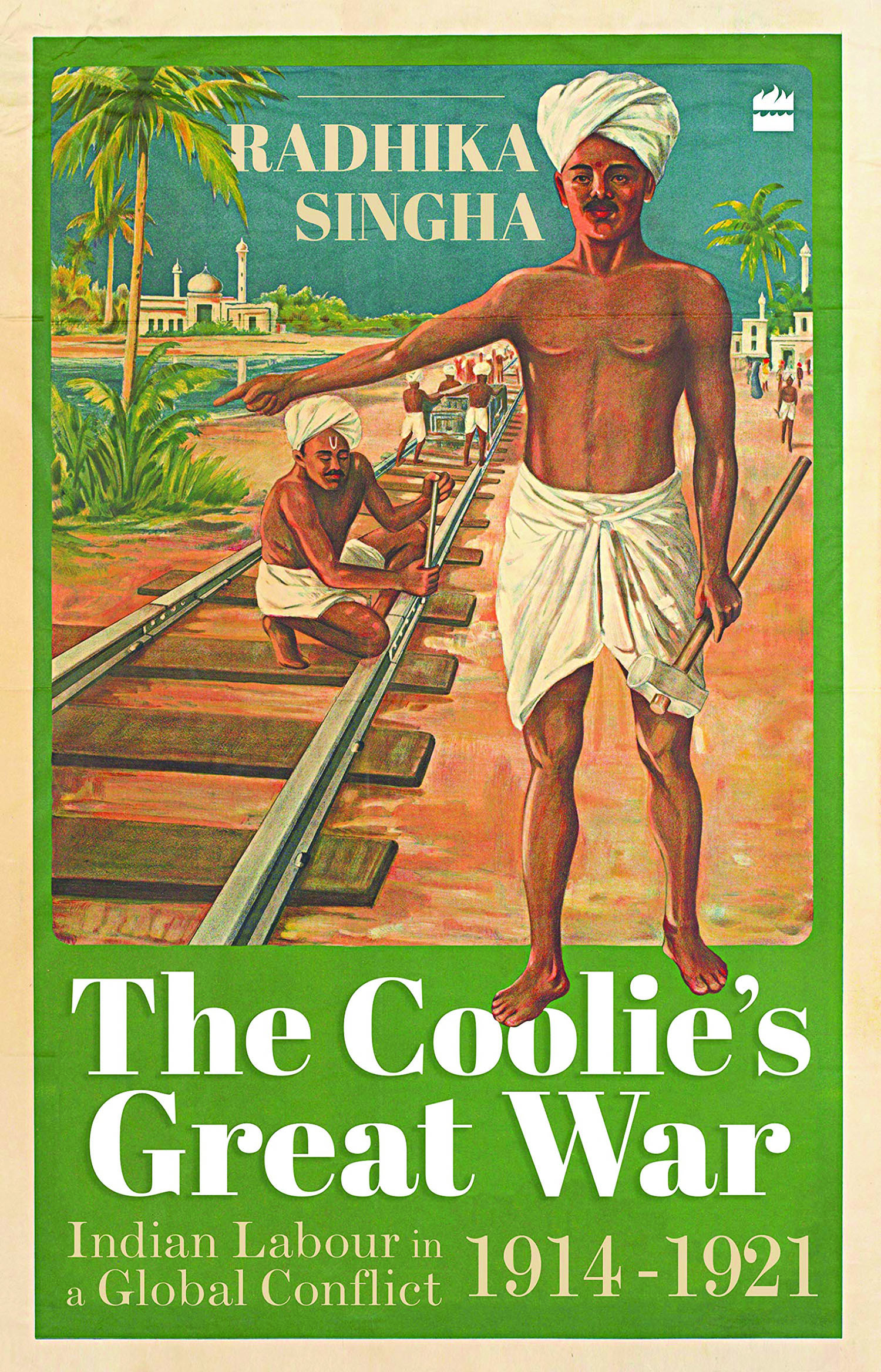
Radhika Singha
This quote from an army recruitment propaganda pamphlet around World War I exemplifies the ethos of the average Indian sepoy. For him cultivation and soldiering were honourable professions and he was careful to distinguish himself from the menial followers in the army…
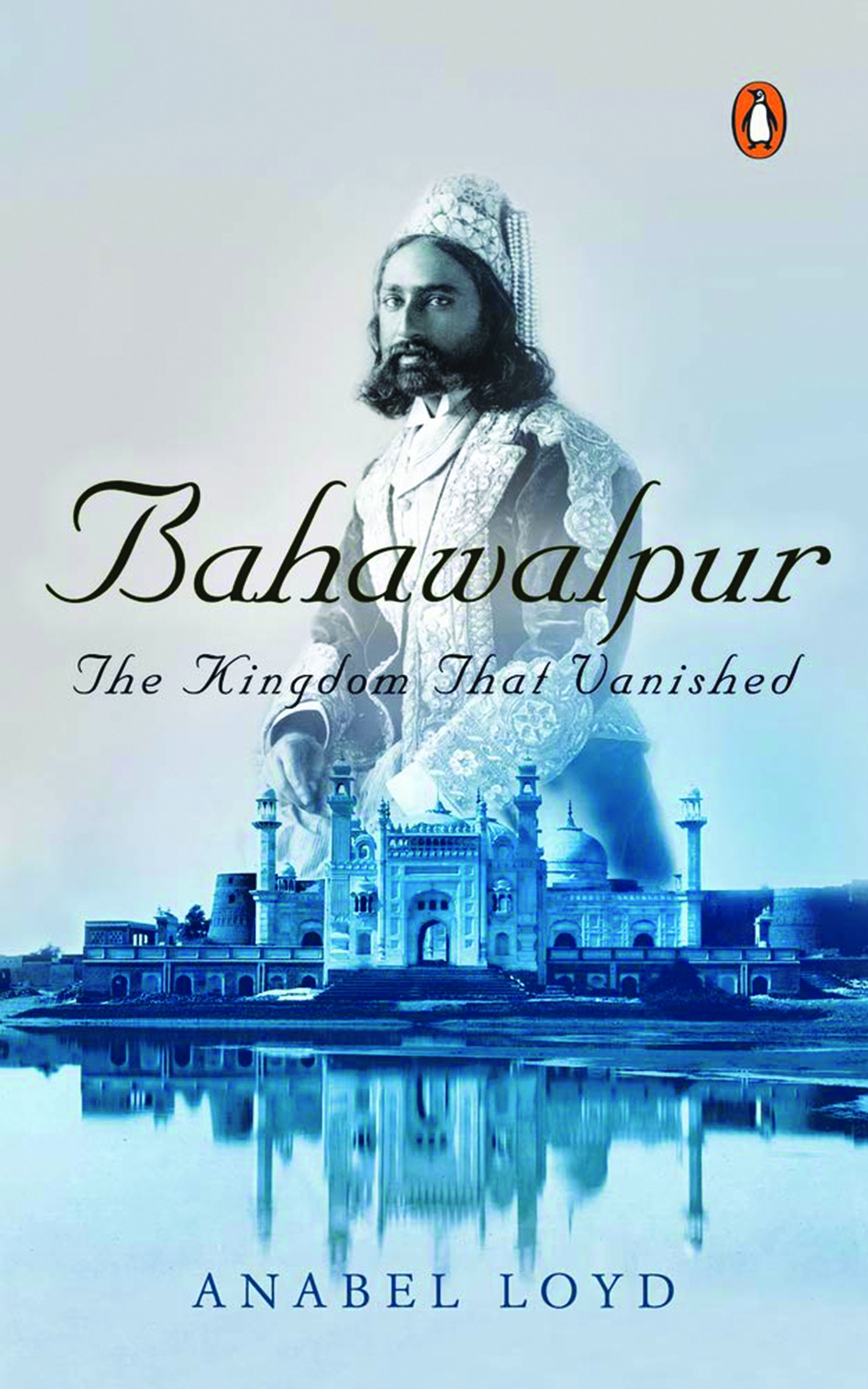
Anabel Loyd
At the time of Independence India and Pakistan had to urgently deal with, among numerous other problems, the problem of incorporating those Princely States which were contiguous with and adjacent to their respective territories. The British had quite cynically…
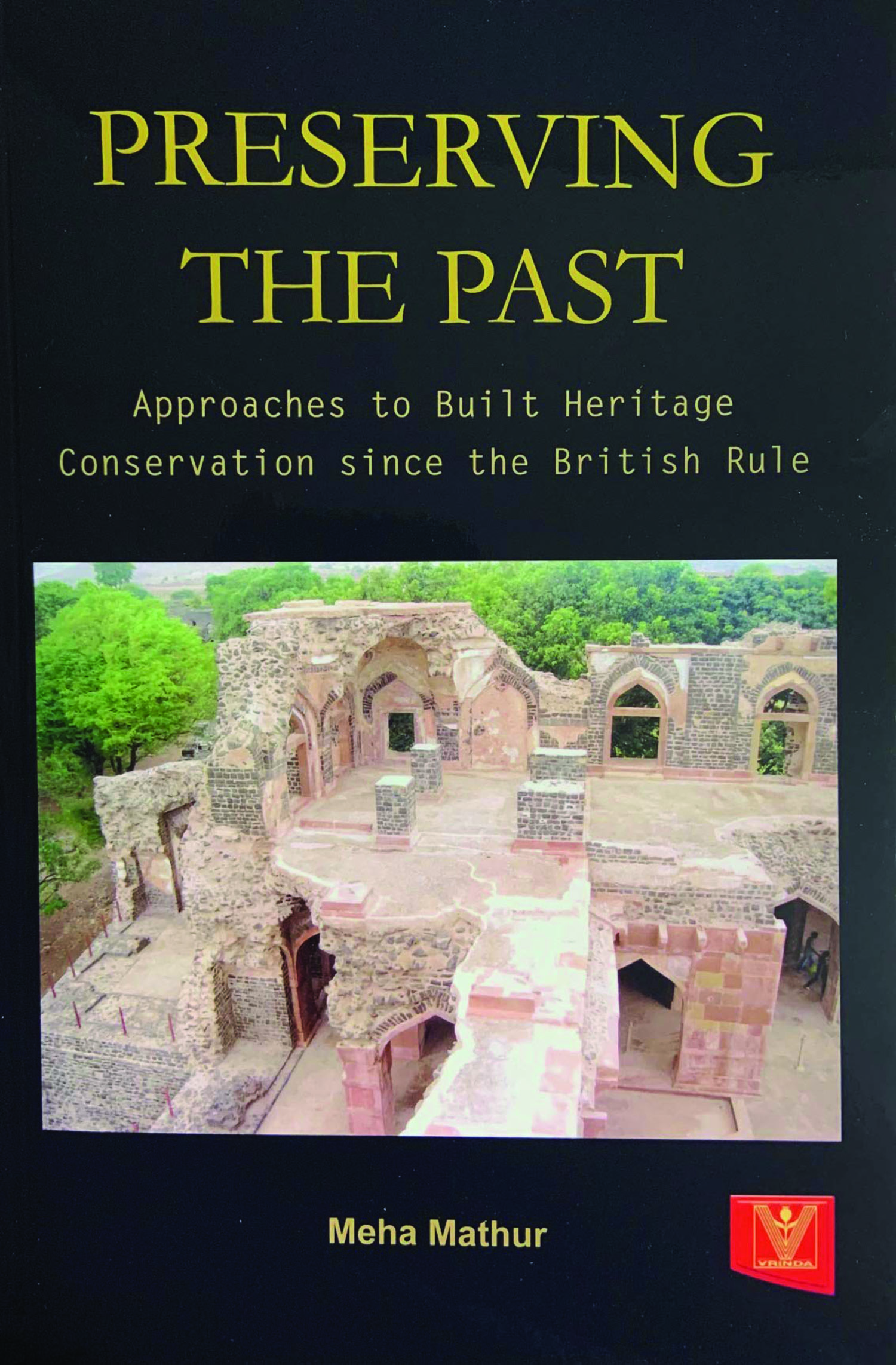
Meha Mathur
The ownership and manner of use of built heritage brings out intense emotion among people. This is true whether the heritage belongs to society at large or even when it is owned by private parties as evocatively shown in the popular film, Gulabo Sitabo. Meha Mathur’s maiden book…
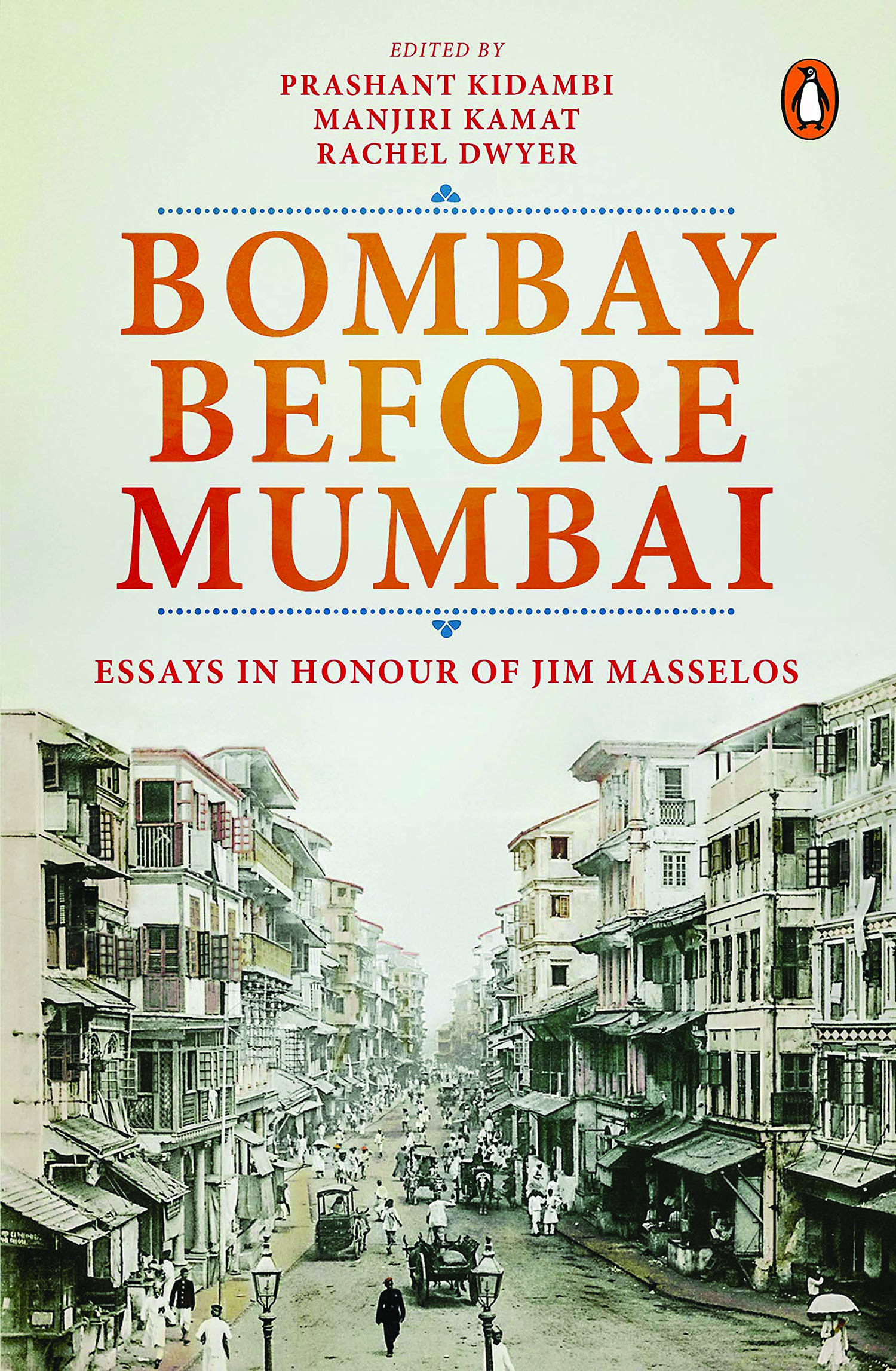
Prashant Kidambi, Manjiri Kamat and Rachel Dwyer
Bombay/Mumbai will continue to fascinate historians, sociologists, artists, writers, filmmakers and poets for years to come. For there remains so much more to document, as is evident from the most recent addition to the collections of books on the city…
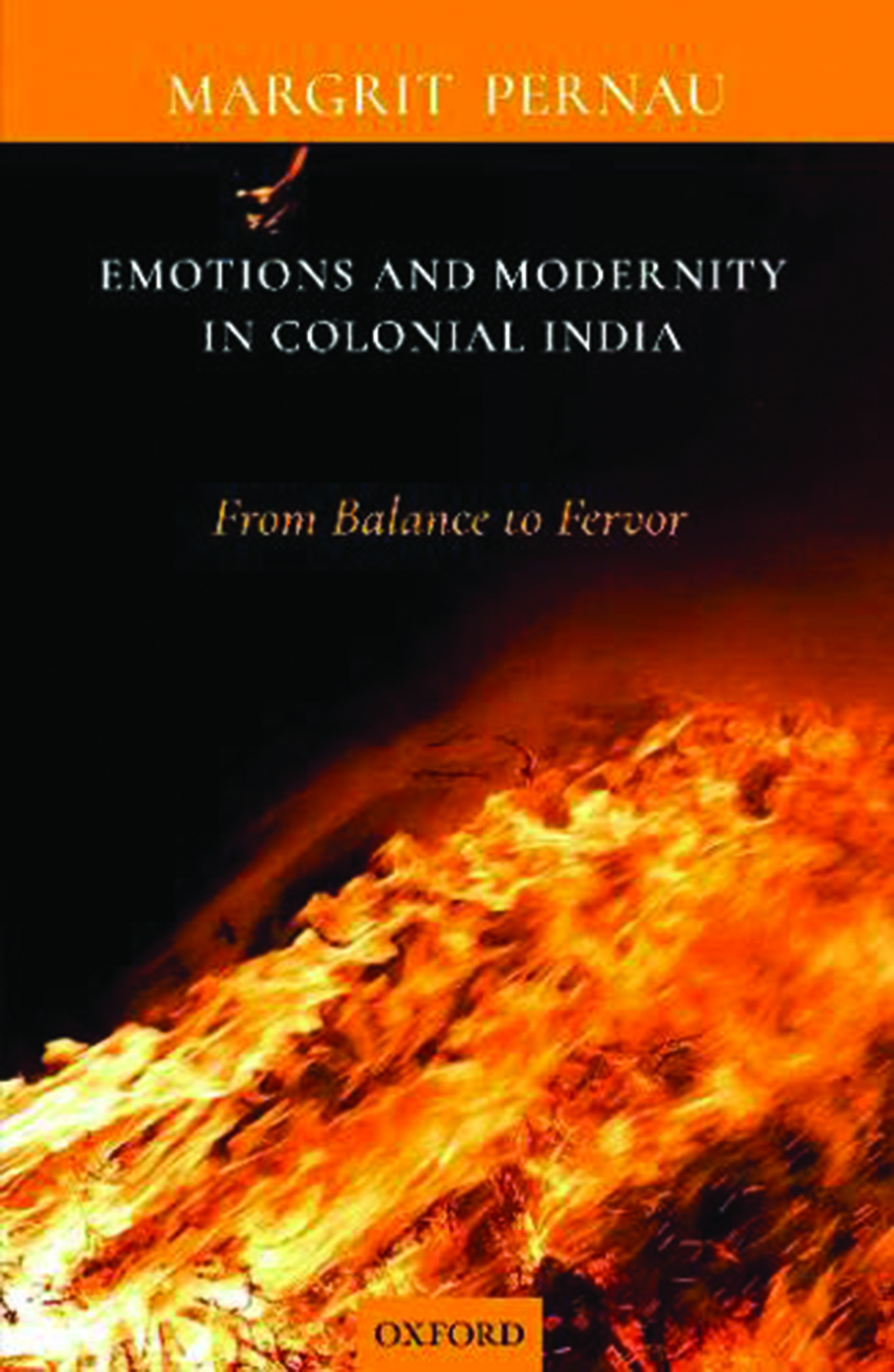
Margrit Pernau
In the last several decades, history of emotions has emerged as an important field in South Asian historiography. Enriched with interdisciplinary insights, the field has introduced fresh perspectives on the role of feelings in shaping historical change…
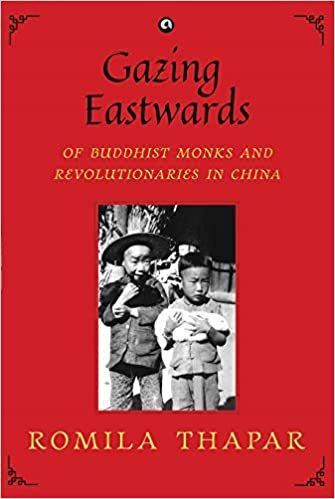
Romila Thapar
There is a photograph of Romila Thapar smiling that you see as you open the book. She is sitting at the entrance of a cave site in Maijishan in China and it was taken when she was a twenty-six year old postgraduate student. Most of her reading public and scores of her students…
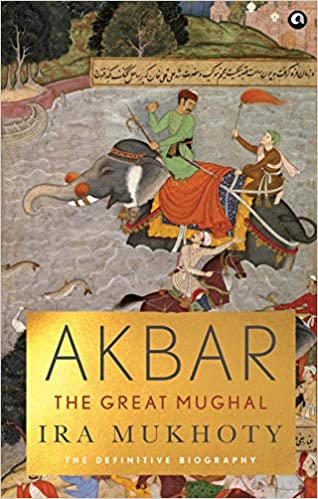
Ira Mukhoty
‘A definitive biography’ is how author Ira Mukhoty introduces her work…
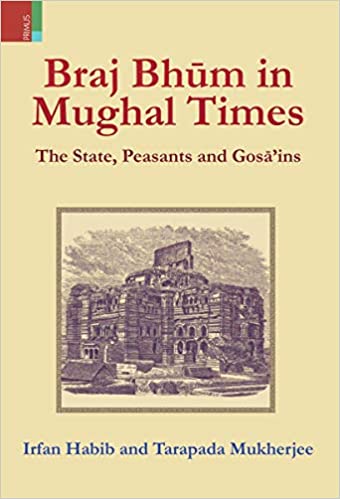
Irfan Habib and Tarapada Mukherjee
This book unlocks the mesmerizing mojo of medieval Braj region. Masterfully written by Irfan Habib and Tarapada Mukerjee, it is an exemplary work of intense research. The primary source materials for this work are the Vrindavan Documents––a treasure trove of information…
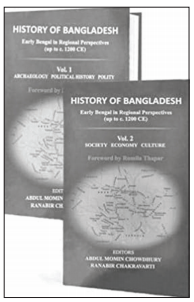
Abdul Momin Chowdhury and Ranabir Chakravarti
Part of an encyclopaedic project on the history of an important region in the eastern part of the subcontinent, the volumes under consideration focus on the ancient and early medieval periods. The first and longer volume is more heterogenous, while the second is more sharply focused.
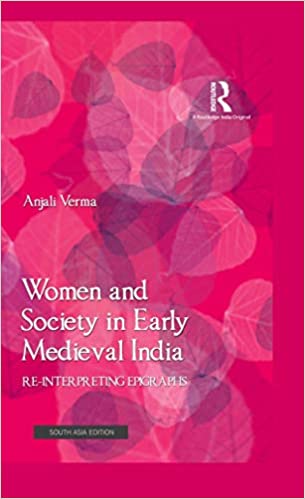
Anjali Verma
Among the many voices of history in early India, women were marginal and their voices were almost unheard. Fortunately with the continuous efforts of a few historians (Sukumari Bhattacharji, Uma Chakravarti, Kumkum Roy, Vijaya Ramaswami and others), largely since the 1980s.
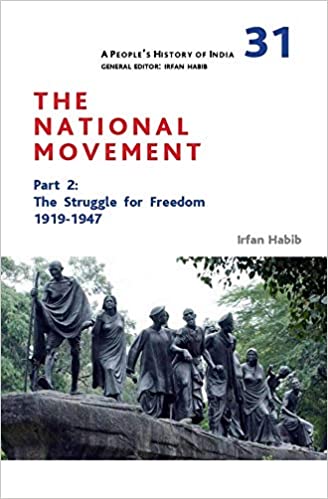
Irfan Habib
The work under review is the thirty-first volume in the People’s History of India textbook series edited by its author Irfan Habib himself. The publisher’s intention behind this series is the promotion of ‘scientific method in History, and resisting communal.
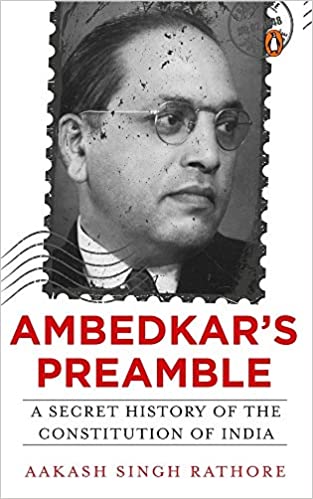
Aakash Singh Rathore
For the last hundred years, Ambedkarite politics has been imperatively speaking to the people of India about the idea of constitutionalism. In 1919, while submitting a memorandum to the South Borough Commission on behalf of the Depressed Classes.
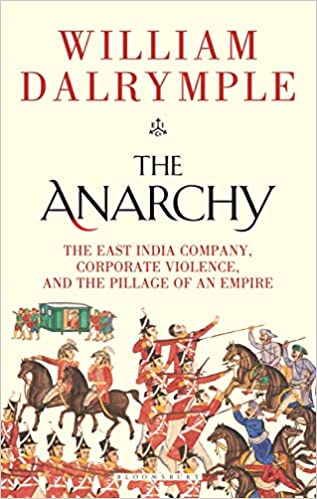
William Dalrymple
In September 1499 Vasco da Gama returned to Lisbon, having successfully travelled to Malabar via the Cape of Good Hope route. A century later, a group of London merchants launched the trading venture, which was to grow into a giant modern corporation, the East India Company (EIC).
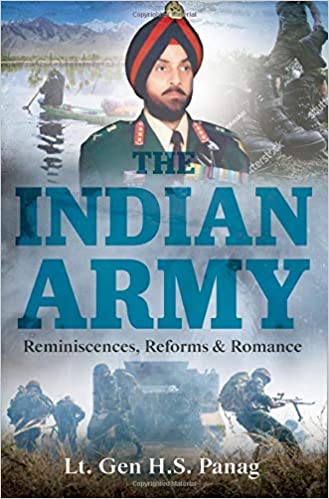
Lt.Gen. H.S. Panag
Lt Gen HS Panag writes that having commanded two armies, the northern and central army, he had over six lakh troops under him at some point or the other. Most of them may have seen the badge he wore on his uniform since his colonel days that read: ‘Don’t do anything that I don’t do.
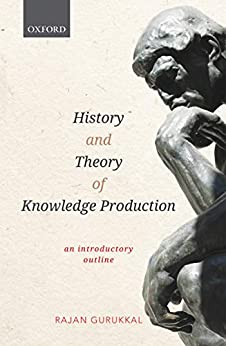
Rajan Gurukkal
With a partial image of Rodin’s iconic sculpture of The Thinker on the cover, and a dedication to Romila Thapar, the undisputed doyenne of ancient Indian history, Rajan Gurukkal’s History and Theory of Knowledge Production is indeed a formidable feat of scholarship.
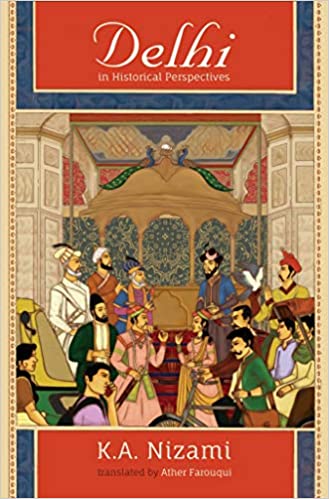
K. A. Nizami. Translated from the original Urdu by Ather Farouqui
The Urdu Department of Delhi University has a photo gallery on its website. In a 1966 photograph of the Department, taken during the inaugural Nizam lecture, Princess Esin and Prince Muffakham Jah of Hyderabad are seated. Between the newly married.
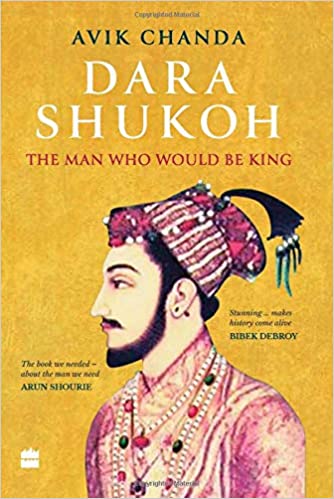
Avik Chanda
The legacy and the myths surrounding him have far outlived Dara Shukoh, inspiring historians of varied hues to reconstruct the unusual persona of a prince who could have been an emperor. A visionary thinker, a talented poet, a prolific writer, a theologian.
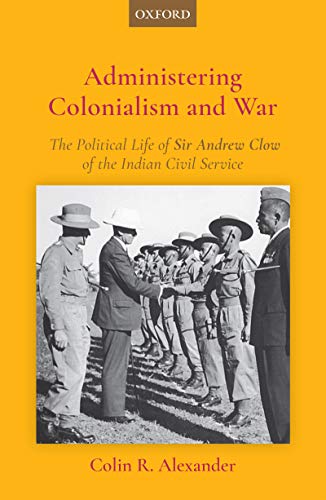
Colin R. Alexander
2019
Although Winston Churchill has often been projected, especially in recent times, as one sinister character behind the Bengal Famine of 1943 that wiped out over three million people, what role the members of the hallowed Indian Civil Service (ICS) played in anticipating.
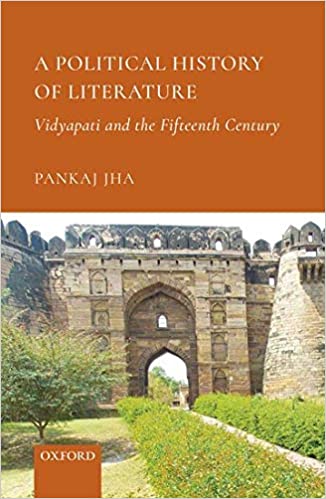
Pankaj Jha
In this study of Vidyapati, scholar and poet from fifteenth-century eastern India, Professor Pankaj Jha explores how historians might engage with literary texts so as to enrich our understanding of both history and literature. Vidyapati presents.
Zakir Husain
Based on Persian archival material, the documents and private collections at the National Archives of India, New Delhi and several other archives in India and abroad, this volume explores the events for the period mid-fourteenth to mid-nineteenth centuries.