
History
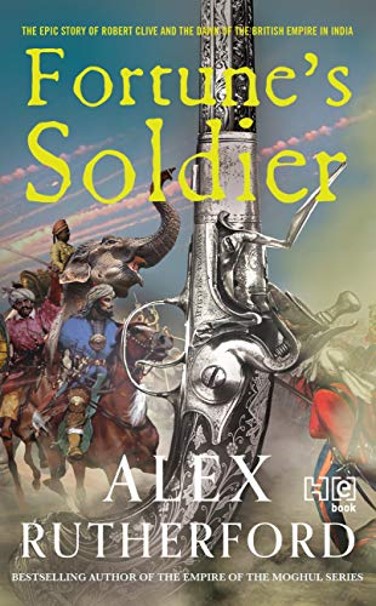
Alex Rutherford
‘The Epic Story of Robert Clive and the Dawn of the British Empire In India’. So says the punch line on the front page of this exhilarating book Fortune’s Soldier by Alex Rutherford which though is to a large extent misleading. The reader would expect to be acquainted.
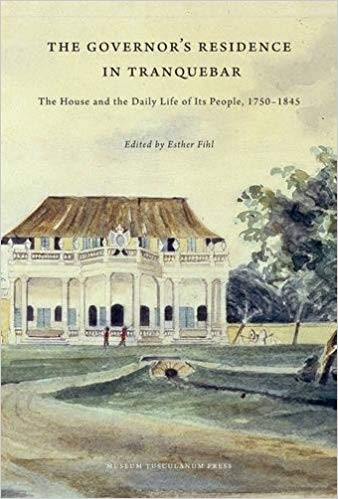
Esther Fihl
Esther Fihl is the Research Leader of the Tranquebar Initiative of the National Museum of Denmark, and Professor at the Department for Cross-Cultural and Regional Studies, University of Copenhagen. She has compiled a monumental work, which brings.
Kumkum Roy and Naina Dayal
Valiant efforts by many authors and discussants, by two skilled editors, and by committed publishers produced this remarkable volume in record time. Based on a conference conceived in 2017 and held in 2018, under the auspices of The Book Review Literary Trust
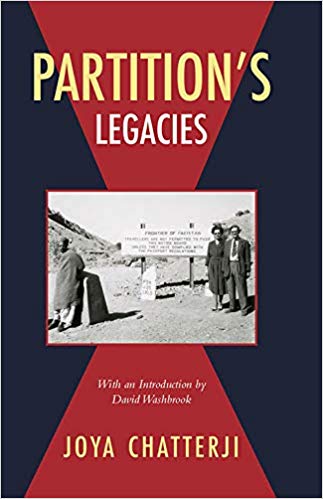
Joya Chatterji
This collection of articles by Joya Chatterji presents multiple dimensions of the consequences of India’s Partition and resultant violence and migration. Although Indian Partition has been a crowded topic, Chatterji has successfully made a notable mark in this field…
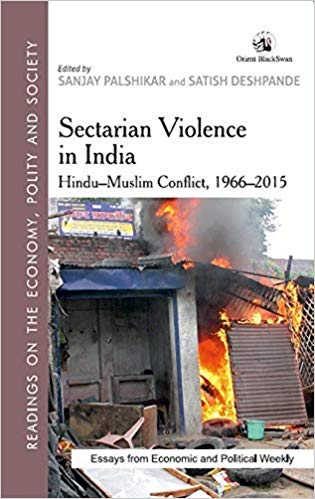
Sanjay Palshikar and Satish Deshpande
That Hindu-Muslim conflict, either in its simmering presence or in its periodic violent expressions, has been endemic to Indian public life cannot be denied. And, politically, the malady has been routinely attributed to the obnoxious ‘other’. There was once a group which used…
William Dalrymple
In September 1499 Vasco da Gama returned to Lisbon, having successfully travelled to Malabar via the Cape of Good Hope route. A century later, a group of London merchants launched the trading venture, which was to grow into a giant modern corporation, the East India Company (EIC)…
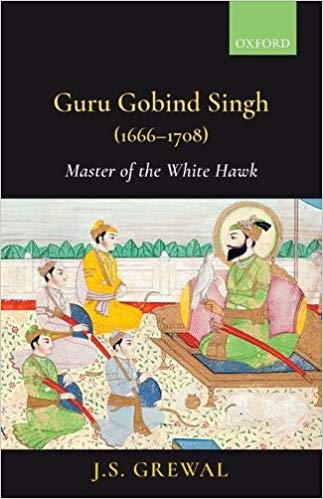
J. S. Grewal
The latest contribution by Professor Grewal towards delineating the history of the Sikh faith is most informative. It has the added advantage of being easy to read and extensively referenced, thus allowing the curious reader to delve even deeper into the history of Sikhs…
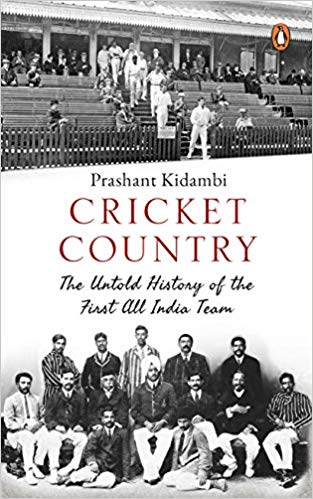
Prashant Kidambi
Prashant Kidambi’s Cricket Country: The Untold History of the First All India Team is ostensibly about the first Indian cricket team to have toured Britain. However, in reality, the book is much more than that. It is about how sport helped dissolve national, caste, class and community.
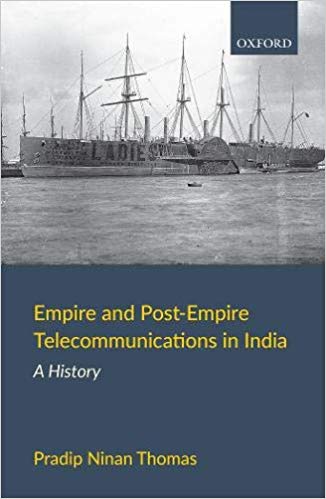
Pradeep Ninan Thomas
‘We are off’ was the cryptic concluding line of a telegram two young British Telegraph officers managed to send out from Delhi to Ambala on 11th May, 1857, informing British military authorities there that the mutiny had spread to Delhi. Thus the Revolt of 1857…
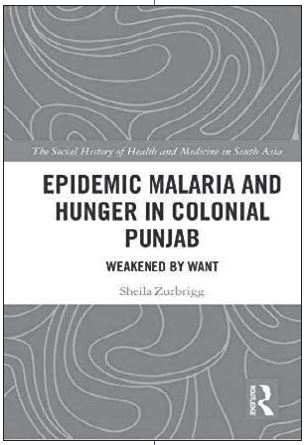
Sheila Zurbrigg
‘The hungry rarely write history, and historians are rarely hungry.’
I have known the author of this astonishing book, Professor Sheila Zurbrigg, for a long time. I first read her book Rakku’s Story: Structures of Ill-health and Source of Change in the late seventies…
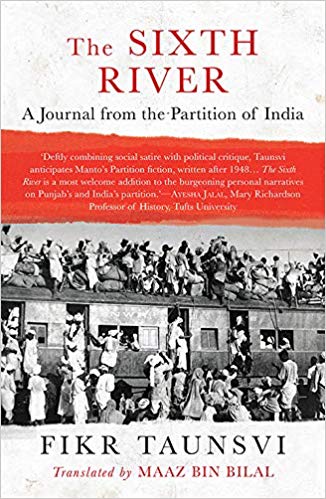
Fikr Taunsvi. Translated from the original Urdu
Fikr Taunsvi or Ram Lal Bhatia was an Urdu language poet and satirist, from western Punjab, in present day Pakistan. Maaz Bin Bilal explains that Bhatia found his name ‘vahiyaaat’ or ‘fake’ and ‘absurd’ and adopted the pen name Fikr Taunsvi in the tradition.
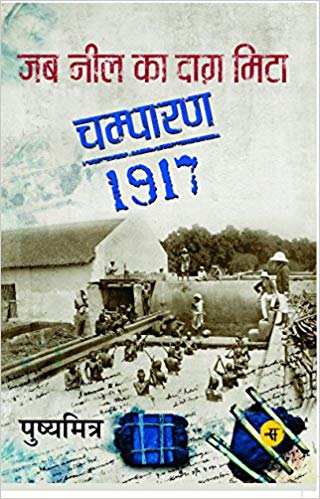
Pushyamitra
Jab Neel ka Daag Mita: Champaran 1917 recounts the processes and procedures whereby Gandhi became a Mahatma for Indians. The Champaran Satyagraha was seminal to challenging an oppressive regime of British indigo planters and restoring the rights and dignity of peasants as cultivators and human beings.
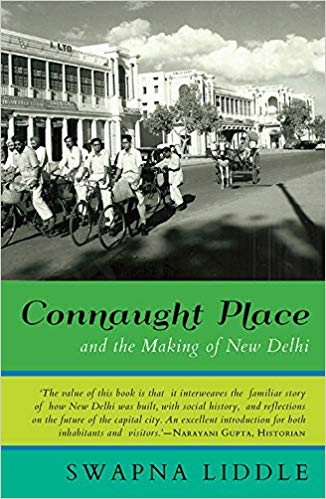
Swapna Liddle
The much-defeated citadel of Delhi was little more than desolation. The Persian ruler Nadir Shah had bled the city. And what remained had been plundered by the rapacious hordes led by the Afghan, Ahmad Shah Durrani. Delhi could barely sustain a population much less afford the patronage of the arts. By the end of the eighteenth century Delhi was no more.
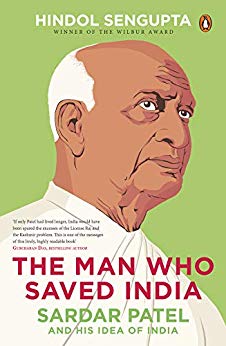
Hindol Sengupta
In The Man Who Saved India Hindol Sengupta brings together the political history of early twentieth century India, and biographical details of Sardar Vallabhbhai Jhaverbhai Patel’s life to show the integral role of political icons in the functioning of the social, economic, and political life of the newly formed nation-state of India. The display of political icons through the construction of statues, naming of roads, or of celebration of specific dates is more than ritualistic remembering.
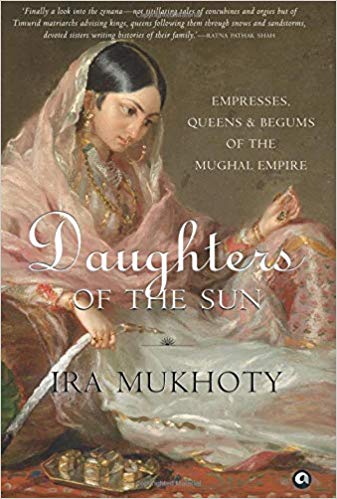
Ira Mukhoty
Daughters of the Sun chronicles the lives of Mughal women—unmarried daughters, sisters, powerful, dynamic wives, anagas or milk mothers or foster mothers—who contributed to the building of the Mughal Empire. These women often worked from within the zenana or the women quarters; several of these women, however, accompanied the Emperor to the battlefield, engaged in diplomacy…
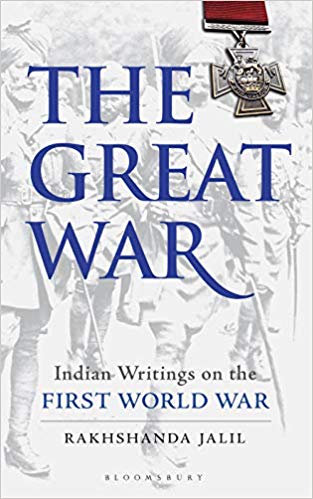
Rakhshanda Jalil/George Morton-Jack/Uma Prasad Thapliyal
The publishing season of War continues! The two world wars of the 20th century have produced a prodigious amount of academic and non-academic literature in the 21st century because this literature commands a good market. After all, curiosity regarding these cataclysms remains seventy-five years after the Second World War ended in 1945. During 2014-2018, the hundredth anniversary of the First World War was ‘commemorated’ across the world.
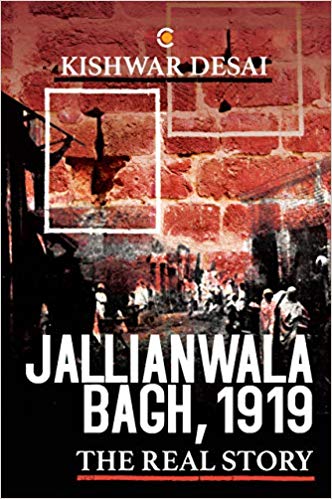
Kishwar Desai
By the time World War I entered its final phase in 1917-18, there was growing resentment over the massive use of India’s resources in a war that was being fought for furthering Britain’s imperial interests. Apart from money and supplies, India was compelled to contribute nearly fifteen lakh soldiers as part of its war ‘effort’.
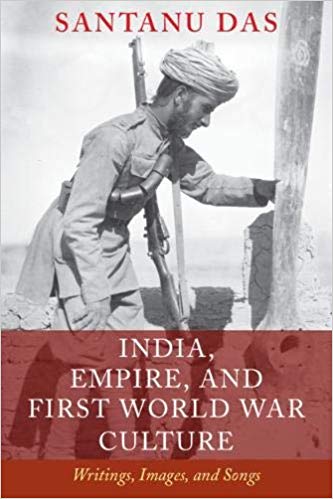
Santanu Das
So much has already been written on the history of the First World War—its cause, spread and consequences—that an addition to the corpus of existing literature, expanded substantially in the last few years on the occasion of the war’s centenary, is unlikely to cause much of a stir. Yet the book by Santanu Das that seeks to be ‘the first cultural and literary history of India and the First World War, though it necessarily engages with the social and the political’ has turned out to be a definitive exercise that enriches our understanding like few others before.
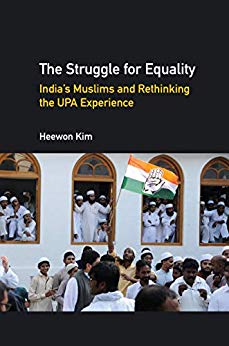
Heewon Kim
Three valid reasons could be offered to write a book. First, nobody else has written on that theme. Second, one has something original or different to convey from what has already been in the public realm. Third, one may be able to provide a different perspective, approach or terms of analyses on the given theme. While Heewon Kim’s The Struggle for Equality: India’s Muslims and Rethinking the UPA Experience…
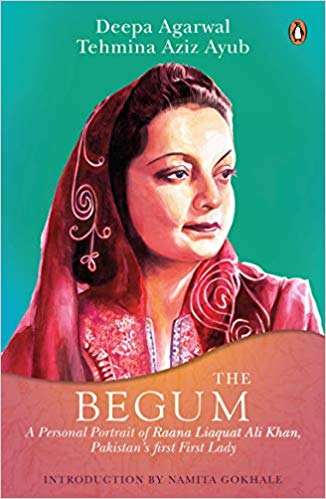
Deepa Agarwal
The Begum is a captivating,…