
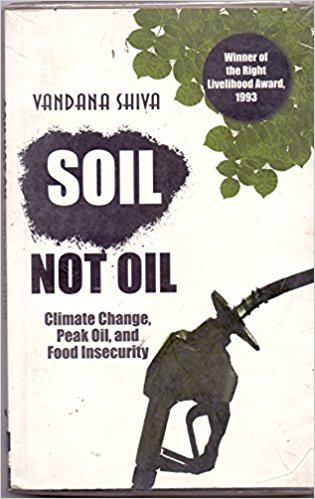
Vandana Shiva
Vandana Shiva has been a powerful voice for the rights of the dispossessed in an era of unequal, elite-led globalization. She has long rooted for maintaining biodiversity, and has shown that a bottom up approach to sustainability and conservation is both desirable and possible.
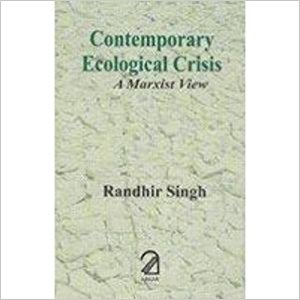
Randhir Singh
Author Randhir Singh rightly critiques capitalism as the root cause of today’s global environmental crisis in his exposition of the Marxist view on the subject.
Irfan Habib
This volume is part of the series entitled A People’s History of India. It deals with the ecological history of India from pre-historic times to 1947.

Madhavi Thampi
Critics have complained about the incessant output of books on Bombay/Mumbai. Each book has, obviously, a story to tell. This ‘Maximum City’, which is the second most populated city in the world and the richest city in India today, was a sparsely-populated, sleepy hamlet of mud-houses till the mid-eighteenth century. But, by 1780s,
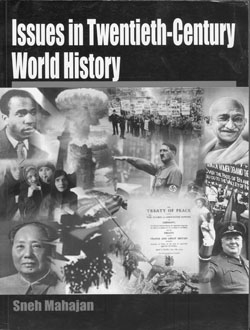
Sneh Mahajan
This volume is among the genre of narratives of major events concerning the twentieth century that have appeared in the first decade of the new century, e.g.: William R. Keylor,
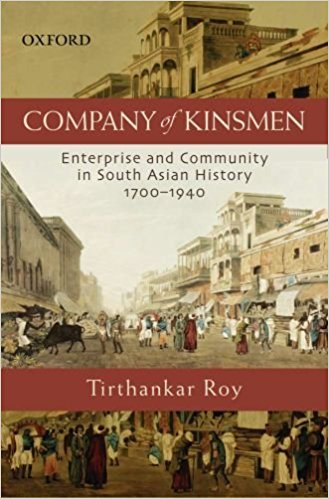
Tirthankar Roy
Tirthankar Roy has set out ‘to write an economic history of institutional change in South Asia’. A major theme in economic history is the institutional framework in which trade and commercial activities were carried on in pre-colonial societies.

Samira Sheikh
For more than a decade, researches in pre-colonial south Asia have attempted to show that the historical processes during the early and medieval period defied the current day notions of a fixed regional boundary, codified religious identities and immutable social categories of caste and occupation.
Poile Sengupta
This is an important book. Important for two reasons: one, it is actually a book of plays, something few publishers undertake, as a result of which Indian playwriting has remained virtually unborn, except for a few desolate exceptions.
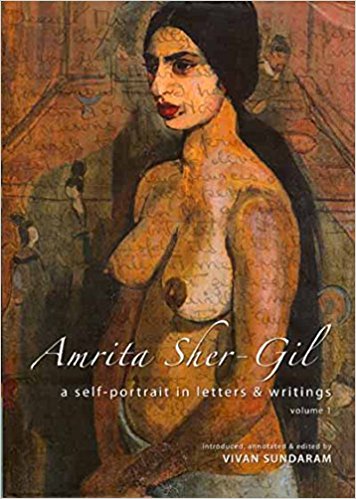
Vivan Sundaram
Anything anticipated too long often ends in anti-climax. Not this outstanding and enthralling two volume memorial to Amrita Sher-Gil, India’s most iconic painter—almost twenty years in the making.
Jug Suraiya
2010
One of the many things wrong with growing old is that people we once admired become what is called past their prime. Pretty girls put on weight; batsmen go out for a duck; singers keep clearing their throat and sipping water or whatever; columnists recycle news and views . . . Sachin Tendulkar is an exception…

Blaze Ginsberg
For those of us born before the age of television, we can only rue the afternoons spent indoors reading or outdoors playing with friends instead of being regaled by the adventures of SpongeBob Square Pants. But for the last couple of generations, staring at a screen, whether it is a television set, a handheld gaming device,..
Ashok Raj
Hindi cinema, or if one may, Bollywood, is such a fascinating subject of study that almost any lens through which you might choose to look at it offers myriad possibilities of providing fresh perspectives on history, culture, society, politics, nationhood, gender etc. The precondition of course is that the exercise should…
Kishore Chatterjee
In his autobiography Nirad Chaudhuri describes how on his wedding night he asked his young bride Amiya if she had heard of Beethoven. To his relief she had indeed heard of the composer and even spelt out the name correctly. This anecdote may not seem amusing any longeranxious Bengali babus…
Dilip D'Souza
There are not many Indian authors who had the courage and confidence to write about the United States of America despite the fact that many young and not-so-young men, and young and no-so-young women in post-Independent Indiaespecially from the 1950s and 1960s onwardshave literally grown up loving American popular fiction, popular music and popular cinema (Hollywood).
Shormishtha Panja
Divided into four sections, each one with an introduction, this book is with five essays on the renaissance in Europe, four on the Indian subcontinent, and two each on eighteenth and nineteenth century Europe and ‘Art and Philosophy’, the scope of this book is quite vast even if it is largely Eurocentric…
Shanta Acharya
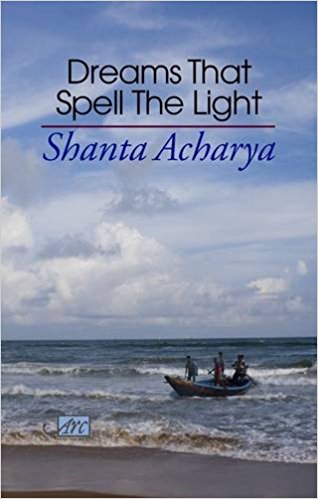
Reviewing Shanta Acharyas previous collection of poetry, Shringara (2006), I had called it a sheaf of grief, an elegiac volume about the loss of loved ones, through which a rawness of the pain still throbbed. In the present volume, her fifth collection, we see her emerging out of that phase with the help of those precious resources…
Francesca Orsini
Following the publication of her ambitious doctoral book The Hindi Public Sphere in 2002, Francesca Orsini was promptly acknowledged as one of the more knowledgeable and capable Hindi scholars teaching in the West and writing in English. (A fair proportion of them happen to be, like Orsini…
Jamsheed Marker
2010
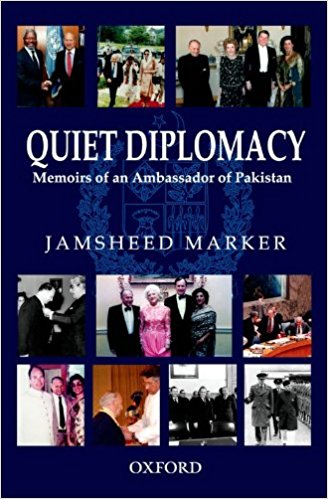
When a man has spent as long as Jamsheed Marker did at the highest levels of diplomacyhe was Ambassador of Pakistan in ten countries with another nine concurrent accreditationsthe memoirs are bound to be of considerable interest. The author brings much erudition and a felicitous writing skill to the task aided…
Kalayani Shankar
At a time when India is seen, rightly or wrongly, as intensely engaged in an effort to get closer and closer to the United States, it is useful to read this book by the wellknown journalist and author Kalyani Shankar. The principal theme is how Indira Gandhi was crafty enough to outwit Richard Nixon, himself a superb practitioner…
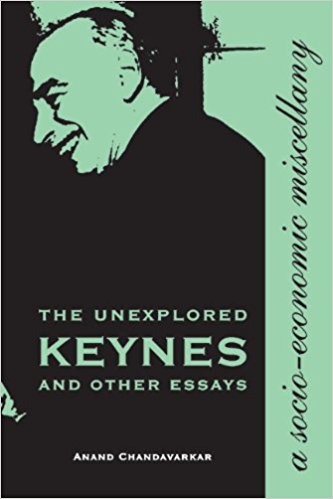
Anand Chandavarkar
This is another book on Keynes and still not another book. It offers fascinating insights by a Keynes buff. This book has several thoughtful pieces on what Keynes wrote, the works on Keynes and also aspects of Keynes’s work that have not been highlighted. It relooks at Keynes’s contribution to different…