
Politics
Shahla Hussain
Writing on the former Princely State of Jammu and Kashmir, in its post-1947 avatar(s), is a challenge that few of us have met without being called out for missing out on not one but many strings which weave together the chaotic mess that has come to be euphemistically called the Kashmir problem…
Nikita Sud
The on-going farmers’ protest in India has once again highlighted the continuous significance of land on the one hand and its continuous process of making and re-making on the other. These protests point towards the fact that the land issues and agrarian politics are not settled…
Jagannath Ambagudia and Virginius Xaxa
British ethnographers and administrators commenced the documentation of Tribes and Caste in India. HA Rose, HH Risley, E Thurston, RE Enthoven, RV Russel and others made painstaking efforts to identify different communities present in British India. After Independence…
Nazima Parveen
In the book under review Nazima Parveen looks at the transformation of Shahjahanabad, which later became Old Delhi, between 1850 and the 1970s to understand the deep segregation that has emerged between the city’s Hindu and Muslim populations in terms of residential living…
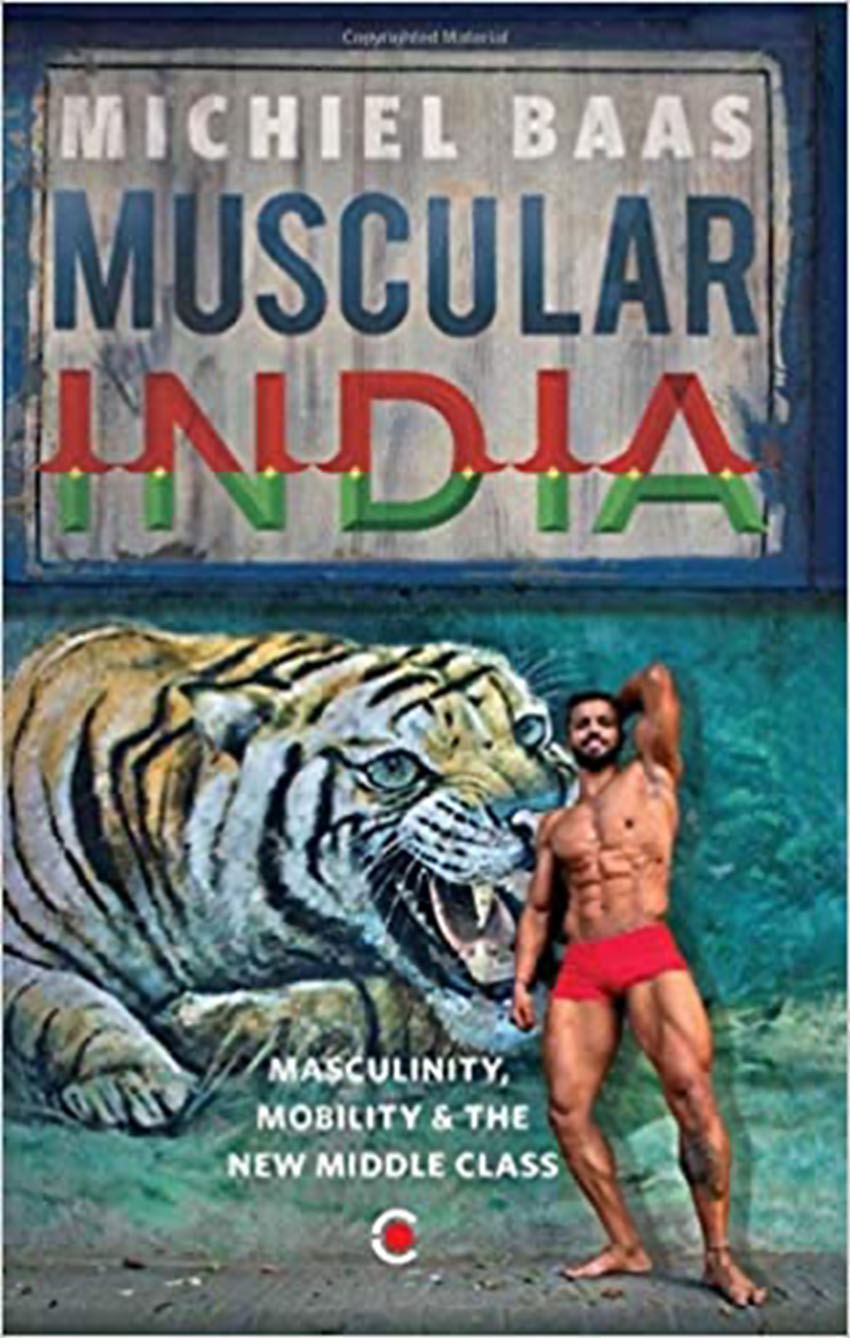
Michiel Baas
Ever since I had started listening to rock music in my early teens, one of the most unusual figures I have come across is Henry Rollins. Rollins began as a front man for Black Flag, a band that is part of the canon of punk rock in its later period, and later made a name as the founder of Rollins Band…
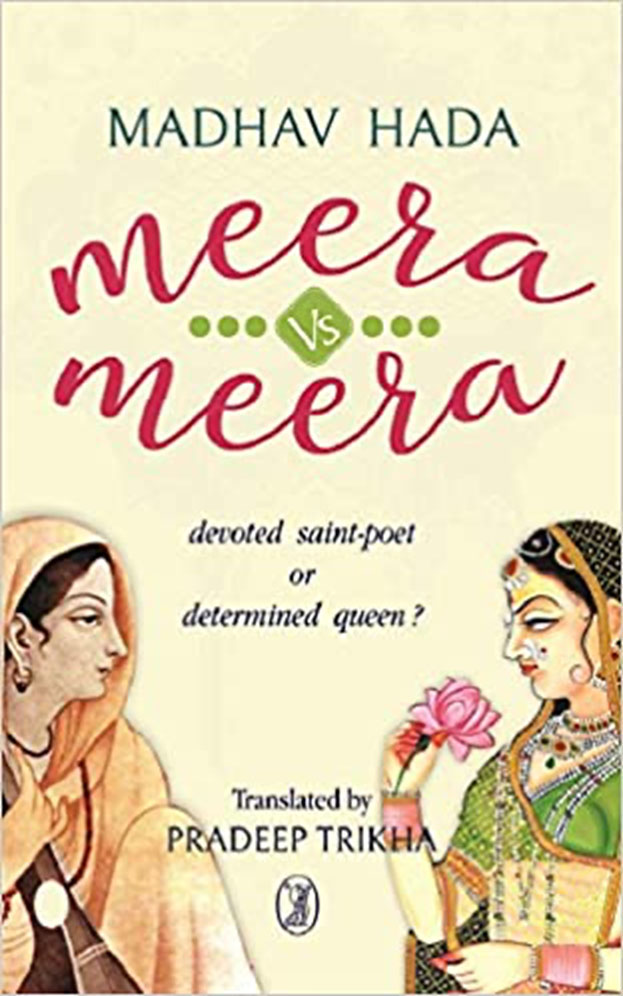
Madhav Hada. Translated from the original Hindi by Pradeep Trikha
India is a land of diverse opinions, interpretations and debates. It is a land of pluralistic but protean ethos. Herein history and hagiography, anecdotal and ideological, secular and sacred continuously coalesce and collide to configure and reconfigure its constitutive icons. In the process the icons often lose their existential/embodied moorings…
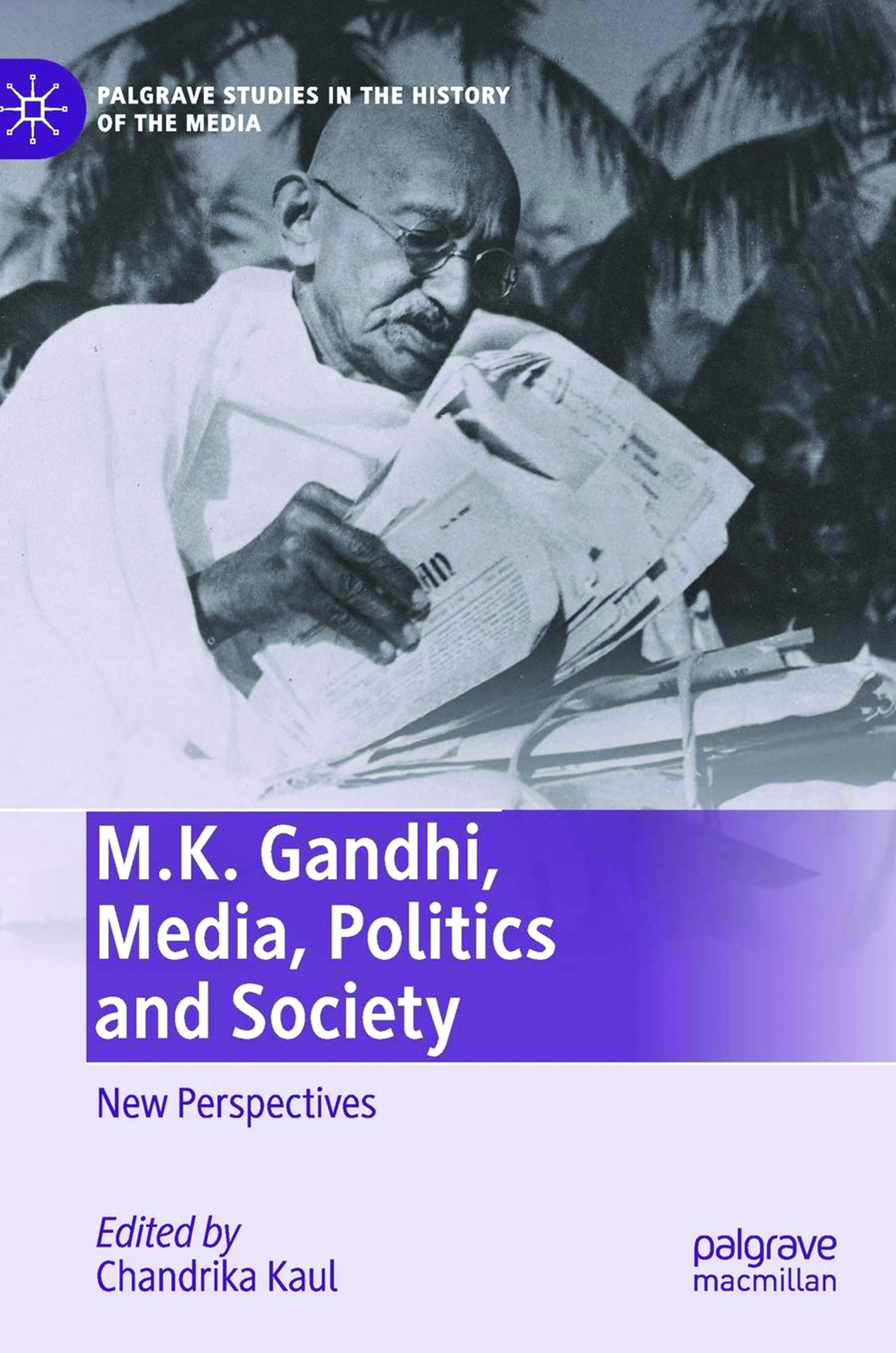
Chandrika Kaul
Chandrika Kaul’s brief introductory remarks to the edited volume of essays, titled M.K. Gandhi, Media, Politics and Society, begins with a rhetorical flourish. Gandhi, she remarks, ‘both made the news and was the news.’ His preoccupation with media…
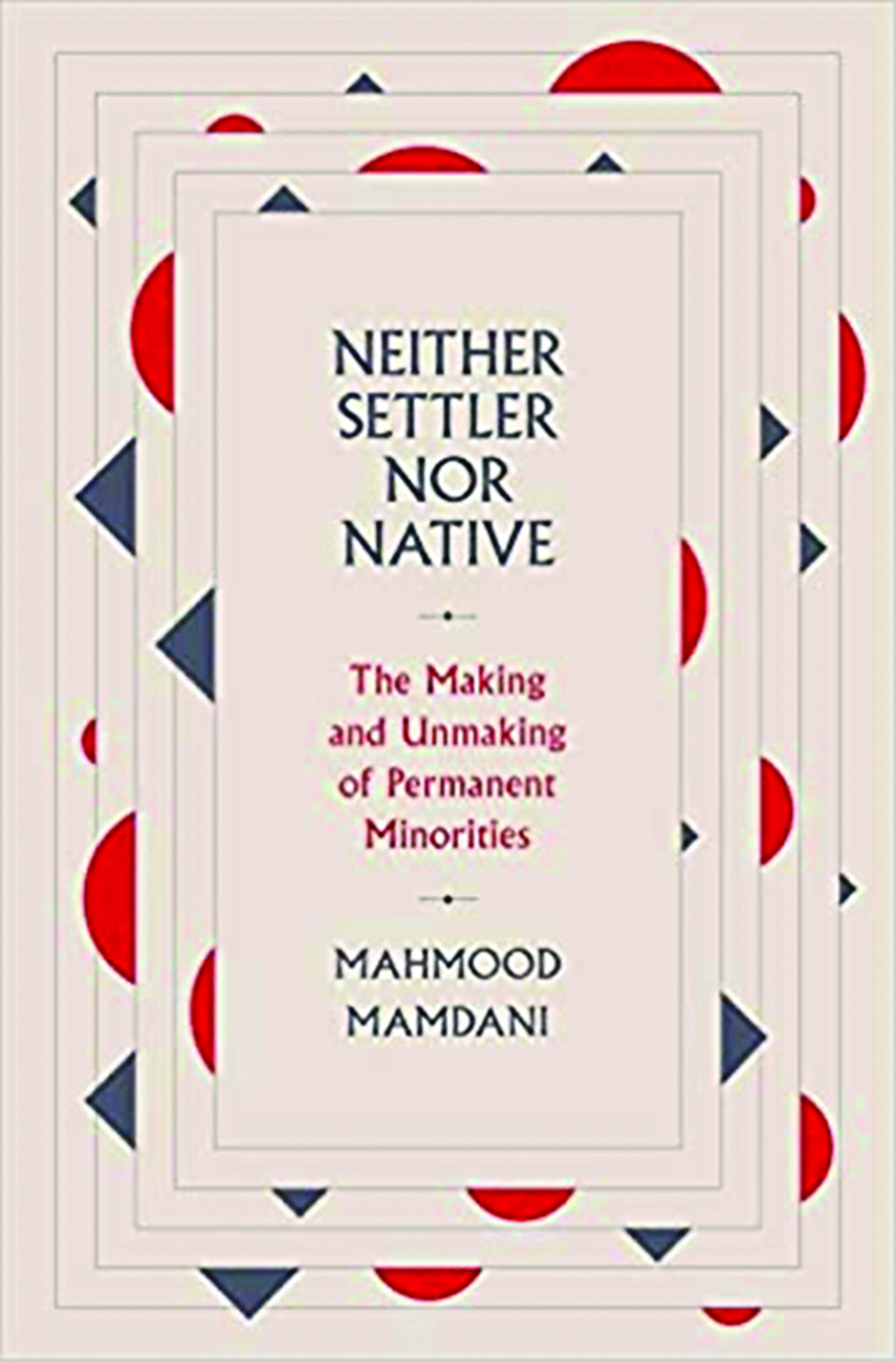
Mahmood Mamdani
unrecognizable and the future uncertain. Fear and restrictions are its primary currencies, and far from the garbled promise of stability, it is inducing greater instability in the lives of the people. Mamdani answers his question by tracing the history of nationalism as a principle to organize the political association that is the state…
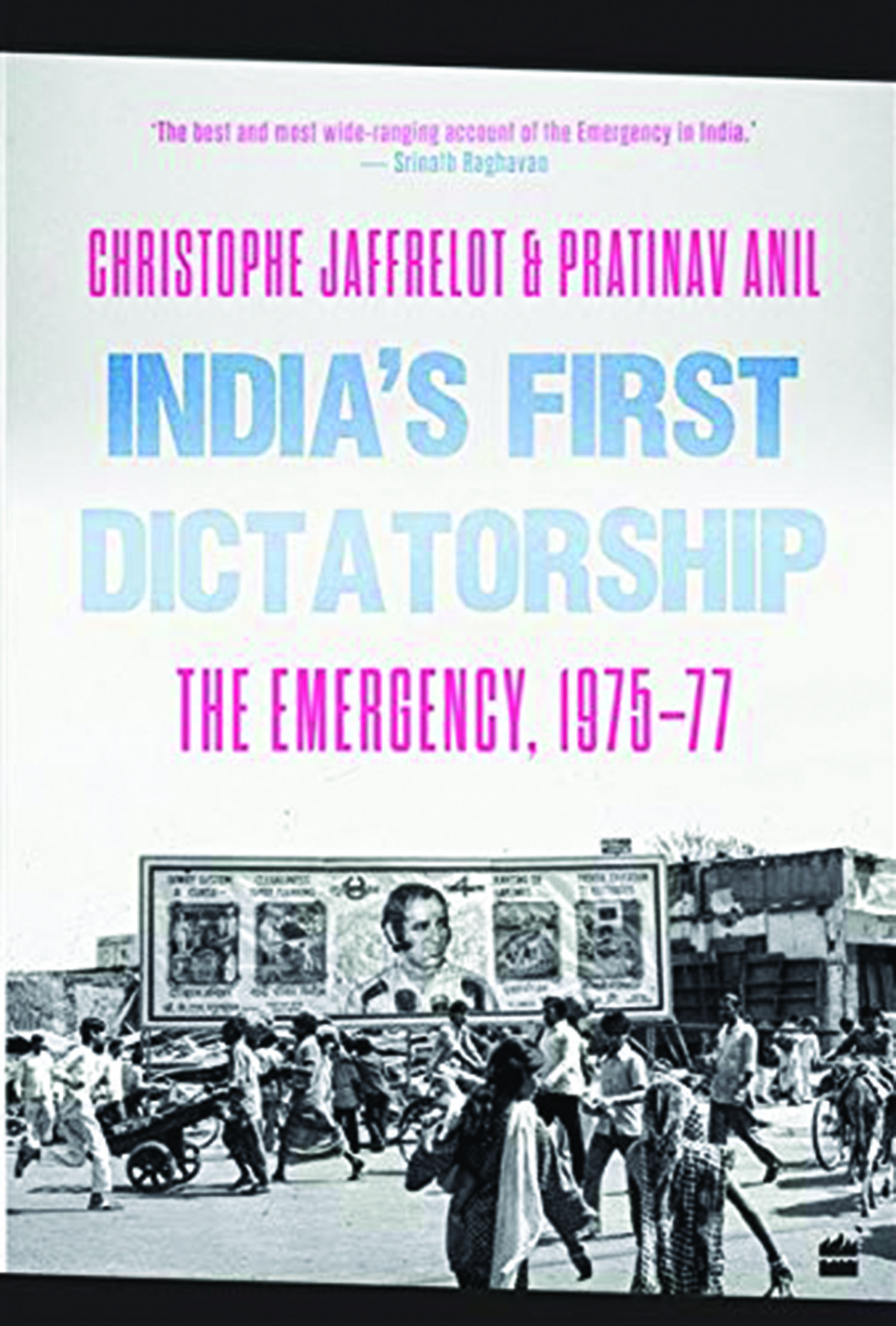
Christophe Jaffrelot and Pratinav Anil
In the last few years, many academic books have been published on the Emergency in India. One of the first comprehensive academic interventions was Bipan Chandra (2003), In the Name of Democracy. The British sociologist, David Lockwood (1929-2014)…
Aakar Patel
Samuel P Huntington in his seminal text, The Third Wave: Democratization in the Late Twentieth Century suggests three waves of democratization, indicating the third wave as neoteric as in 1989-1991. But the rise of contemporary Right-Wing populism puts a big question…
Seema Mustafa
Shaheen Bagh protests began on 15 December 2019, three days after the passage of the Citizenship…
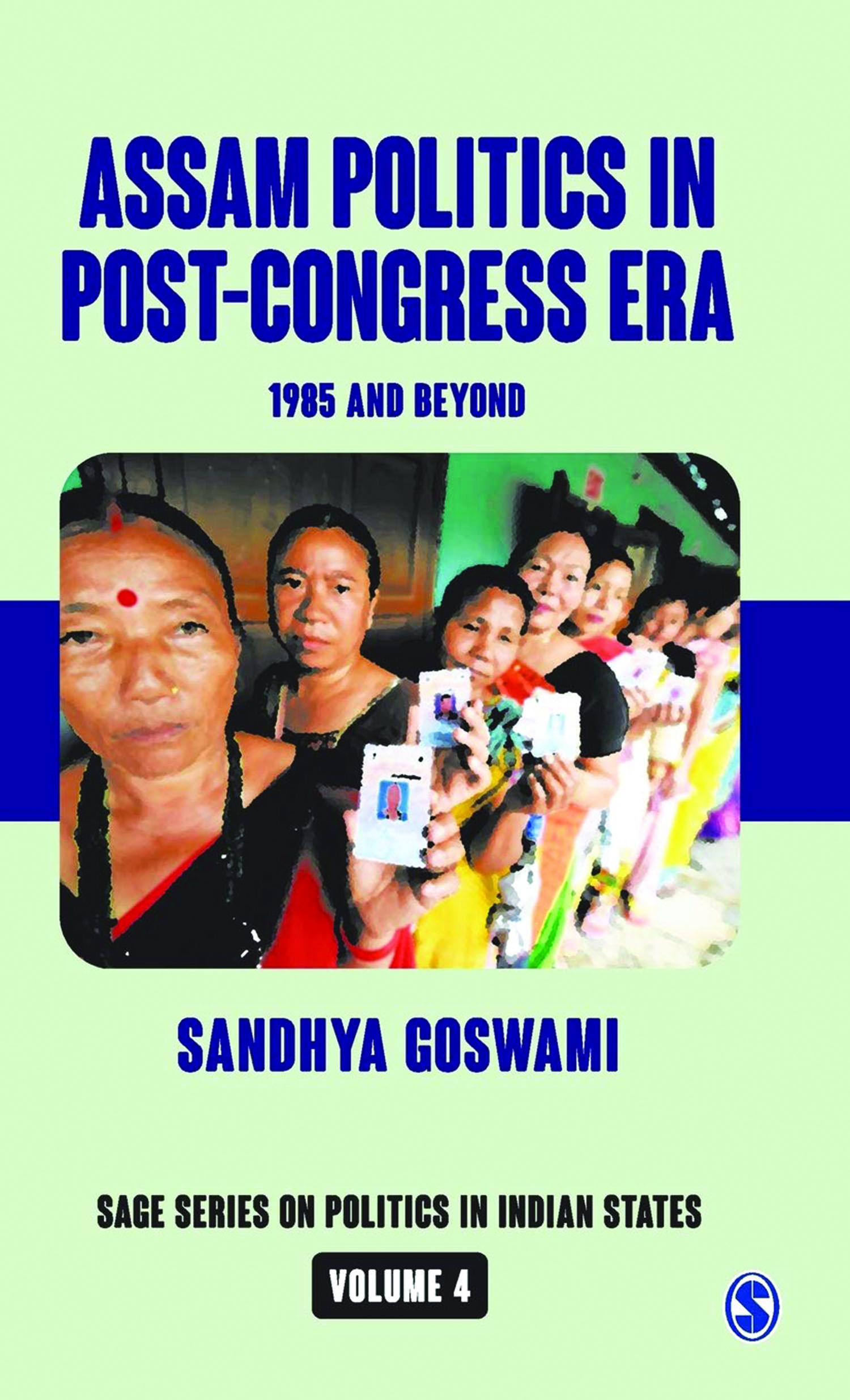
Sandhya Goswami
The tripartite Assam Accord signed between the Indian government, the State Government of Assam and the All Assam Students Union (AASU) in 1985 marks a watershed moment in Assam’s socio-political history. The Accord ushered in a new era of competitive politics…
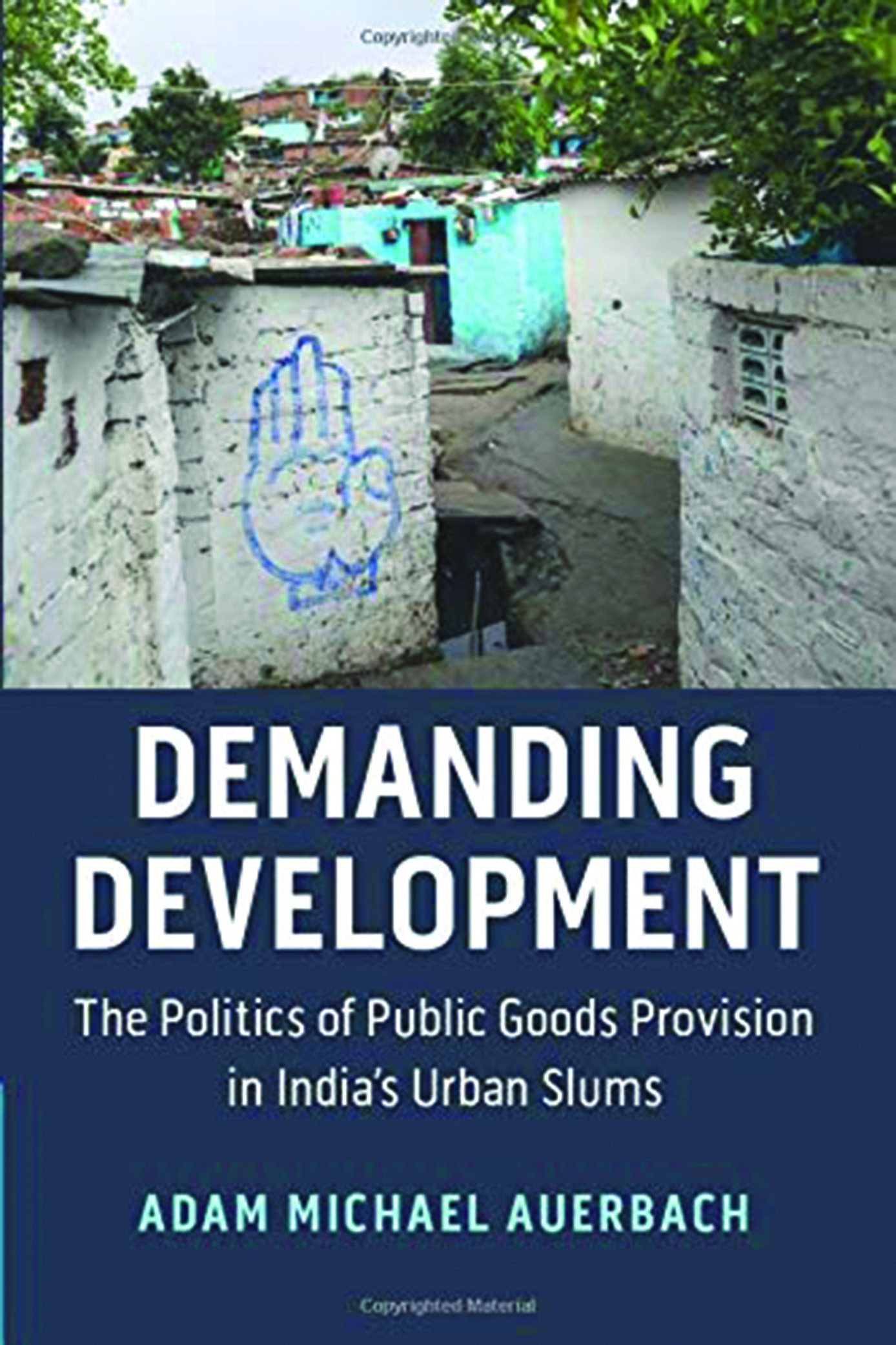
Adam Michael Auerbach
In rapidly urbanizing India the book Demanding Development: The Politics of Public Goods Provision in India’s Urban Slums by Adam Auerbach is an important contribution to the existing corpus of political economy literature engaging with the themes related to development in urban India…
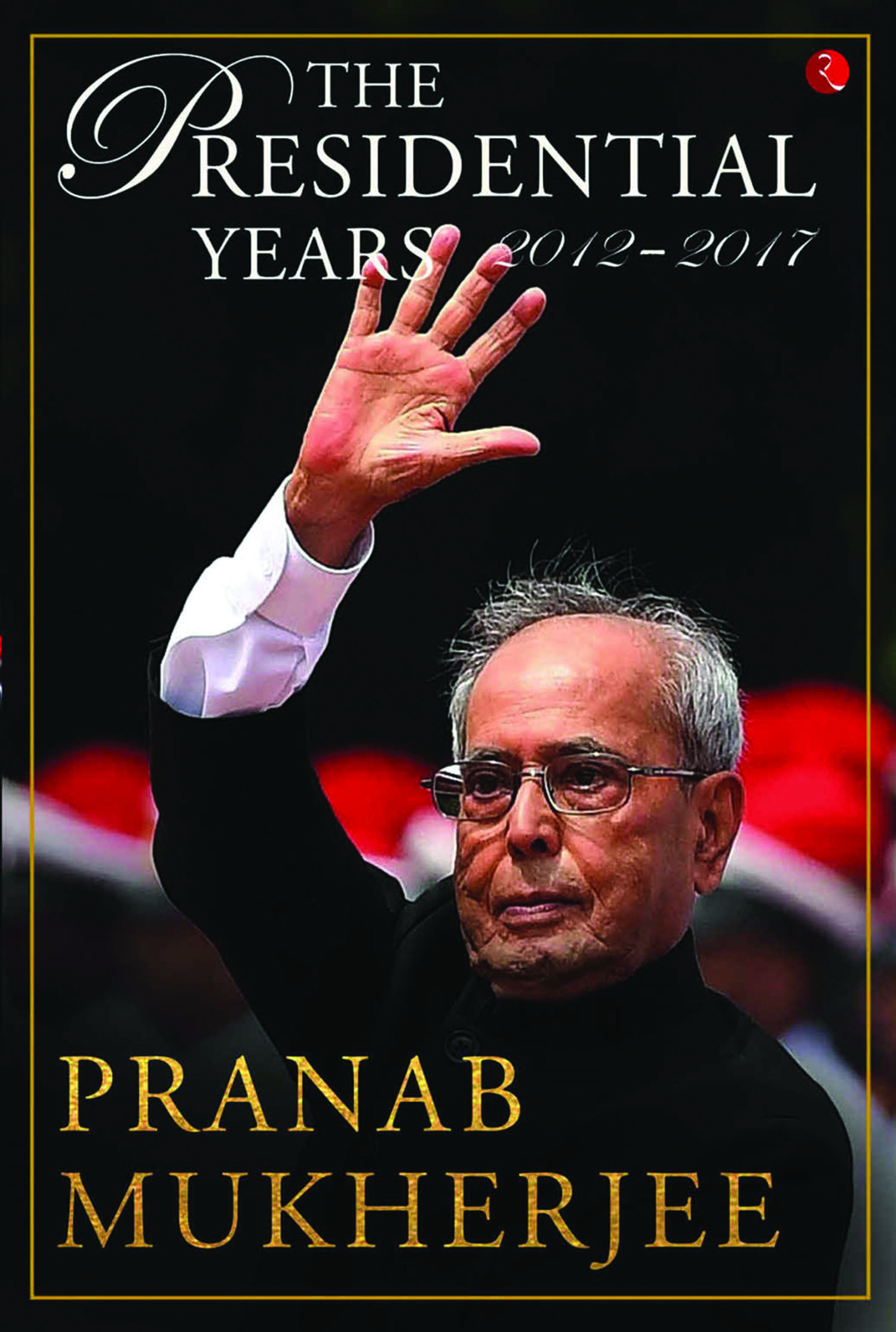
Pranab Mukherjee
The book under review is an account by the late Pranab Mukherjee about his tenure as the President of India (2012-2017). This period was critical because as President, Mukherjee witnessed two governments of the ideologically opposing alliances…
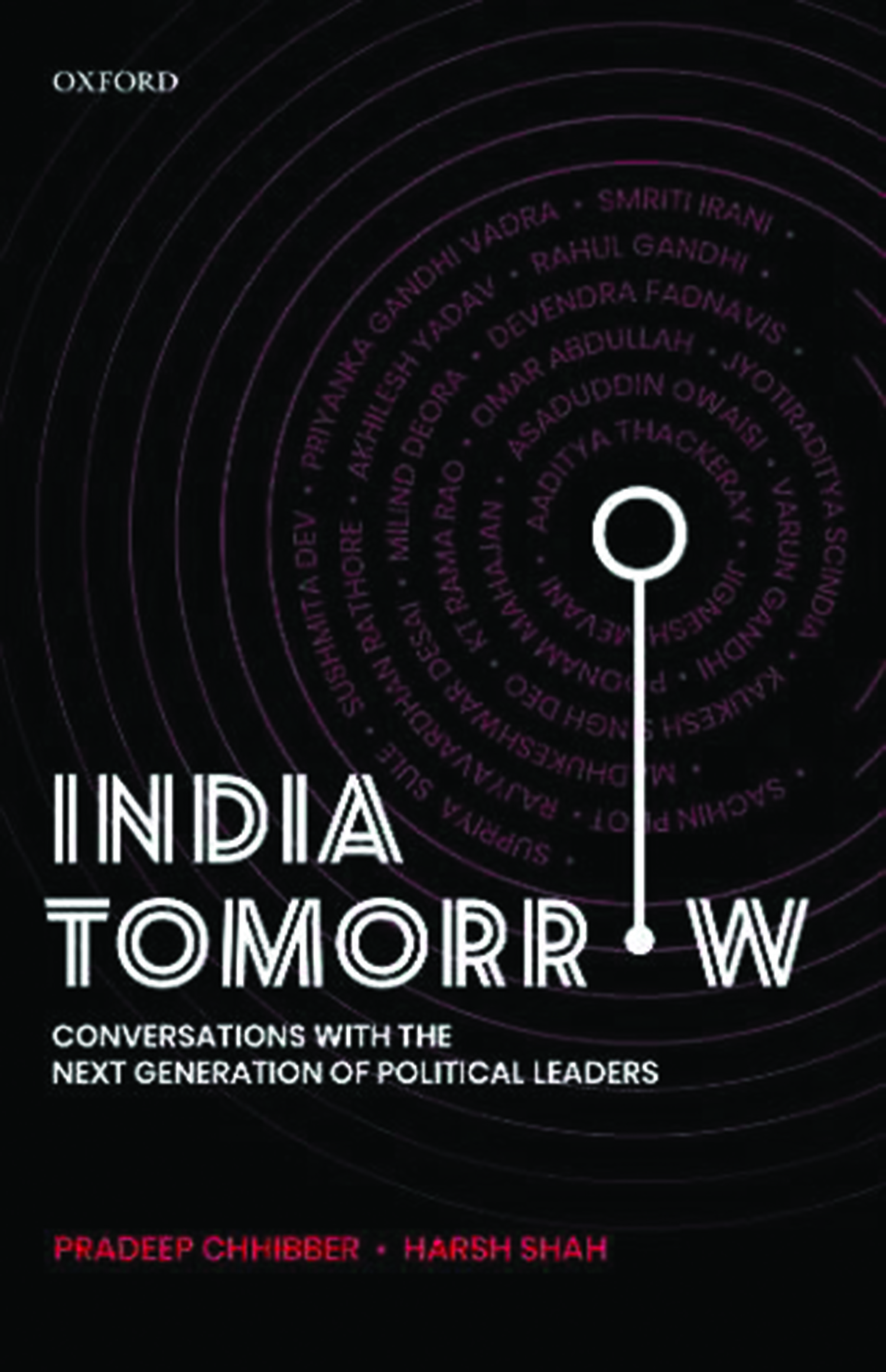
Pradeep Chhibber and Harsh Shah
In a country obsessed with religion as an intrinsically embedded component of social life, only two things compete with religion for attention in the popular imagination of India: cricket and politics. The recent Test series held in Australia, in which an Indian team…
Mimasha Pandit
Instead of newspapers, books, journals and pamphlets that documented the development of the Swadeshi movement in Bengal during the first decade of the twentieth century, can the idea of nation or nationhood be interpreted through the intricacies of performative mechanisms?…
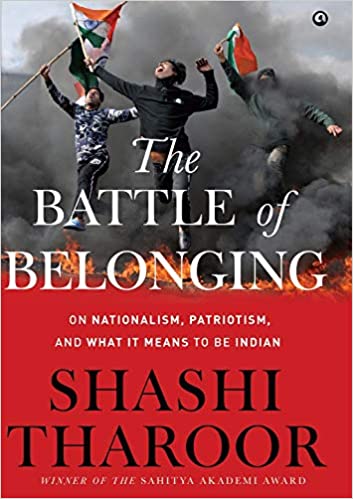
Shashi Tharoor
This book is about nationalism, a phenomenon that, as Tharoor points out, emerged on the world stage as recently as the mid nineteenth century, but has proven to be an enormously potent political force. When the power of a ruler was no longer enough to hold a territory together..
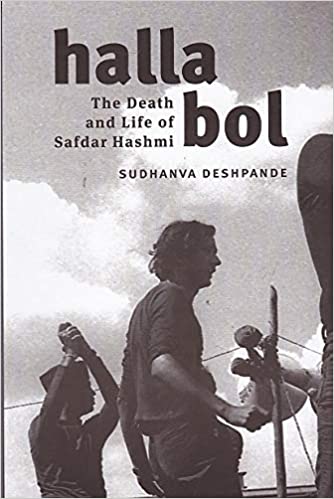
Sudhanva Deshpande
Street theatre or nukkad-natak has a staccato rhythm. Those who have been part of it will know. There is no rule or convention within which it finds safety. It is both ephemeral and risky. Actors, audiences, the venue, the script, everything is provisional…
Anand Teltumbde. Foreword by Tanika Sarkar
Sometimes, a meticulously worked-out political calculation can go awry. The beautiful mind of Kanshi Ram had, in 1981, computed the DS-4 (Dalit Shosit Samaj Sangharsh Samiti) formula, comprising Dalits and other oppressed groups like Shudras, Muslims, and women…
Yogendra Yadav
Yogendra Yadav’s voice has a familiar, unruffled and calm quality to it even as it has pronounced on the turbulent ructions of Indian politics. That same calm, unruffled quality can be heard speaking through these many pages of this voluminous book that combines more..