
Politics
Shiraz Sheikh
One of the casualties of the perennial India-Pakistan face-off is an academic understanding of the other side. The kind of first-hand sense of a locale that can be obtained over many field trips is denied to Indian academics with Pakistan as subject of scrutiny.
Nitasha Kaul & Ather Zia
The ideational cohesion holding together this compelling collection of essays is driven by the need to visibilize the particularity of Kashmiri women’s ‘own ways of knowing’. The title Can You Hear Kashmiri Women Speak? Narratives of Resistance and Resilience.
Aakash Singh Rathore
For the last hundred years, Ambedkarite politics has been imperatively speaking to the people of India about the idea of constitutionalism. In 1919, while submitting a memorandum to the South Borough Commission on behalf of the Depressed Classes.
Nagesh Prabhu
The ‘exceptionalism’ of the book under review according to its author, a senior journalist, lies in the fact that it seeks to unravel the rise of the Modi leadership ‘from the middle class perspective’ without adhering to ‘any ideological point of view’ unlike ‘other books.
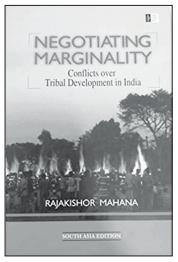
Rajakishor Mahana
Tribal societies are marked by contestation, competition, movement, conflict, etc., in the contemporary period. These concerns are mainly revolving around the question of livelihood and survival of tribal communities. Their livelihood and survival largely depend.
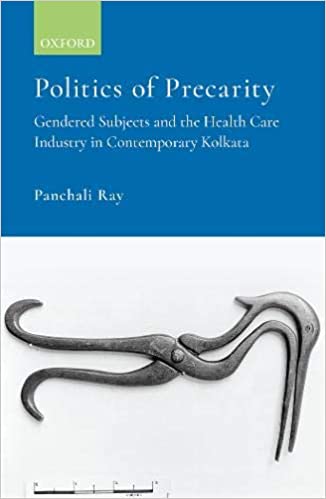
Panchali Ray
The pandemic of Covid is here to stay and we have to learn to live with it, as it becomes endemic. Among the many things the Covid pandemic has exposed—the neglect of public health, the disastrous implications of privatization of health, the utter lack of public health.
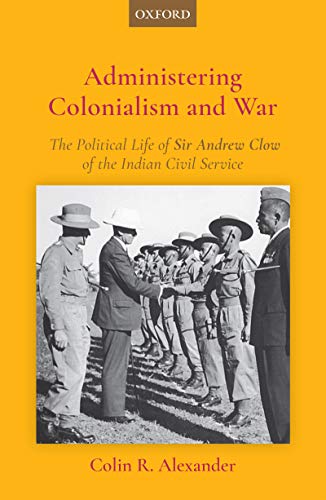
Colin R. Alexander
2019
Although Winston Churchill has often been projected, especially in recent times, as one sinister character behind the Bengal Famine of 1943 that wiped out over three million people, what role the members of the hallowed Indian Civil Service (ICS) played in anticipating.
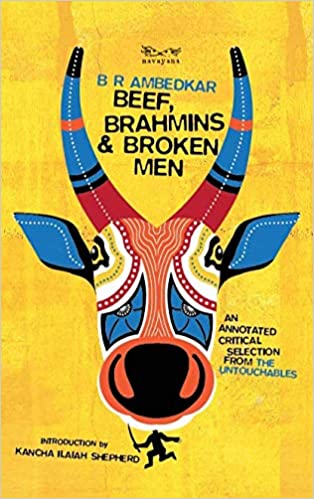
B. R. Ambedkar
price not statedThe view of Ambedkar as a radical philosopher who can help us understand and fight social and economic evils that Indian society is fraught with through the ages is gaining strength. The gains are a hard-won battle realized by Dalit-Bahujan groups.
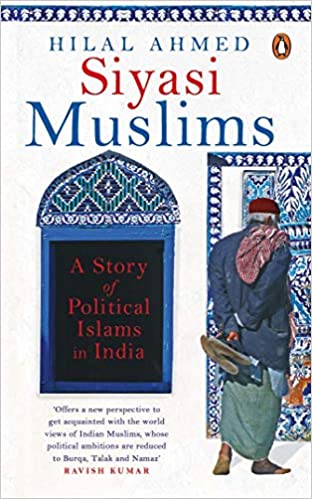
Hilal Ahmed
The interplay between religion and politics has been the quintessence of political discourse in postcolonial India. Hilal Ahmed’s Siyasi Muslims: A Story of Political Islams in India is an attempt to define Muslim political discourse in postcolonial India.
Hasan Suroor
HHasan Suroor’s latest offering, provocatively titled Who Killed Liberal Islam, seeks to delve into the apparent decline of liberalism within the Indian Muslim community. The author places the responsibility of this decline primarily on the shoulders.
Sudha Pai
The book under review, studying public institutions in India follows Rethinking Public Institutions in India edited by Devesh Kapur, Pratap Bhanu Mehta and Milan Vaishnav (OUP 2017). Grouped in five parts, the volume examines sixteen institutions, aside from analysing methodologies for studying institutions.
Aakash Singh Rathore and Ashis Nandy
The 2019 General Elections confirmed the hypothesis that the broad consensus over the ‘idea of India’ forged at the time of Independence no longer holds and a fundamental shift has taken place in favour of values that are the antithesis of this consensus.
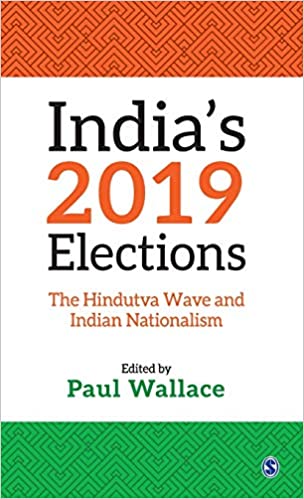
Paul Wallace
India’s 2019 elections result deepened the fundamental transformation of politics since 2014. The BJP not only witnessed a surge in quantitative terms but it also penetrated into new territories that were largely dominated by regional parties.
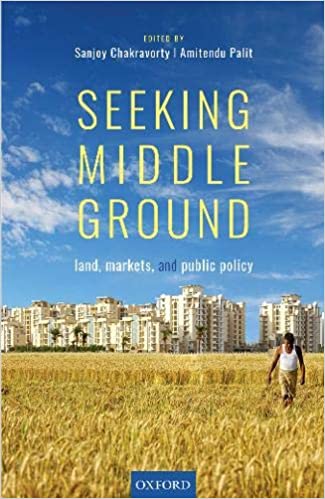
Sanjoy Chakravorty and Amitendu Palit
The contestations over land continue to remain relevant in the age of capitalist industrialization. While in the pre-industrial world, land clearly maintained a central role in the generation and accumulation of wealth, modern industrialization and the subsequent upheaval.
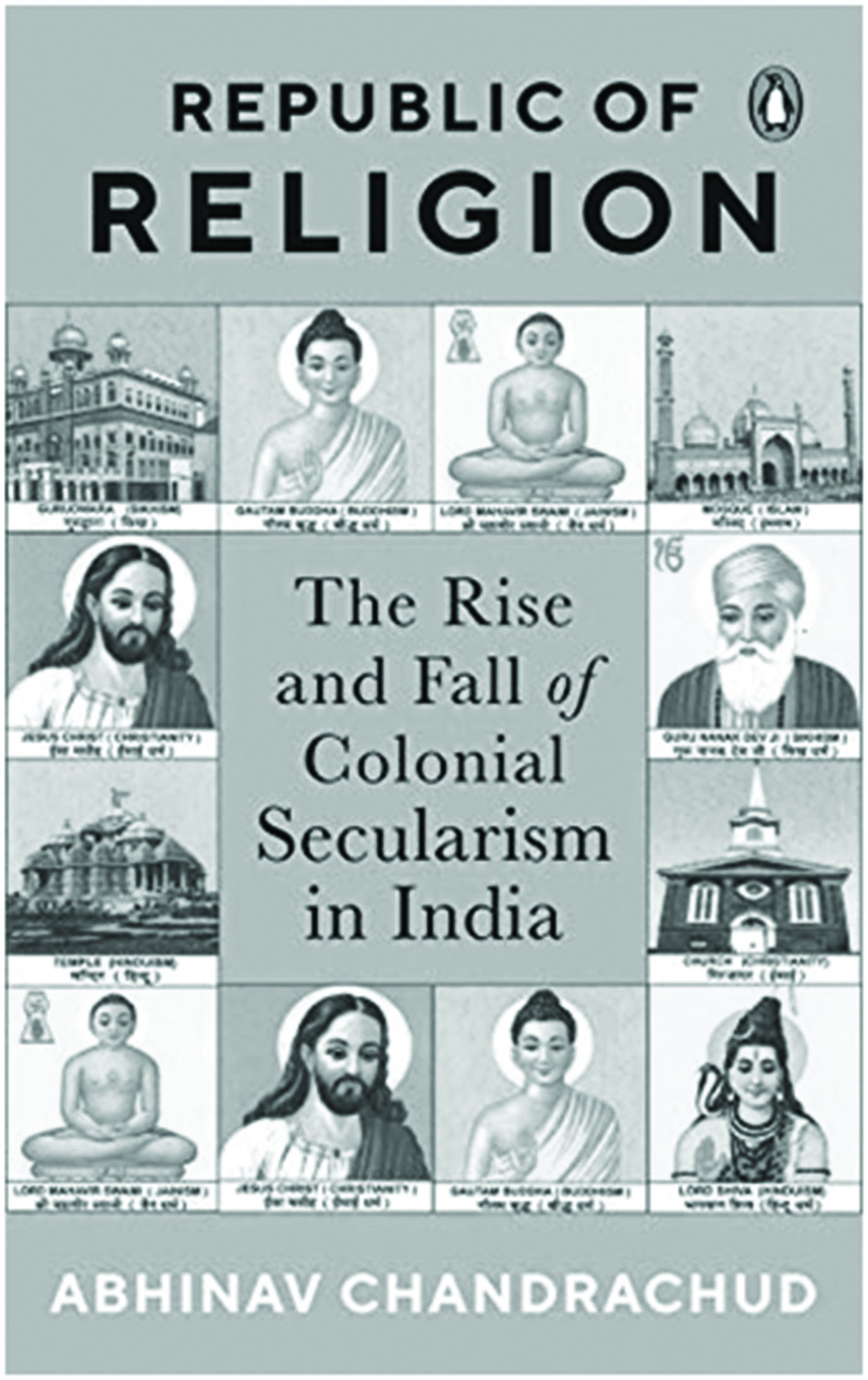
Abhinav Chandrachud
In the abundant literature on secularism that is now at hand, the range of comparative work on distinctive projects of secularism, in different parts of the world, has widened significantly, moving away from earlier binary classifications. The literature shows.
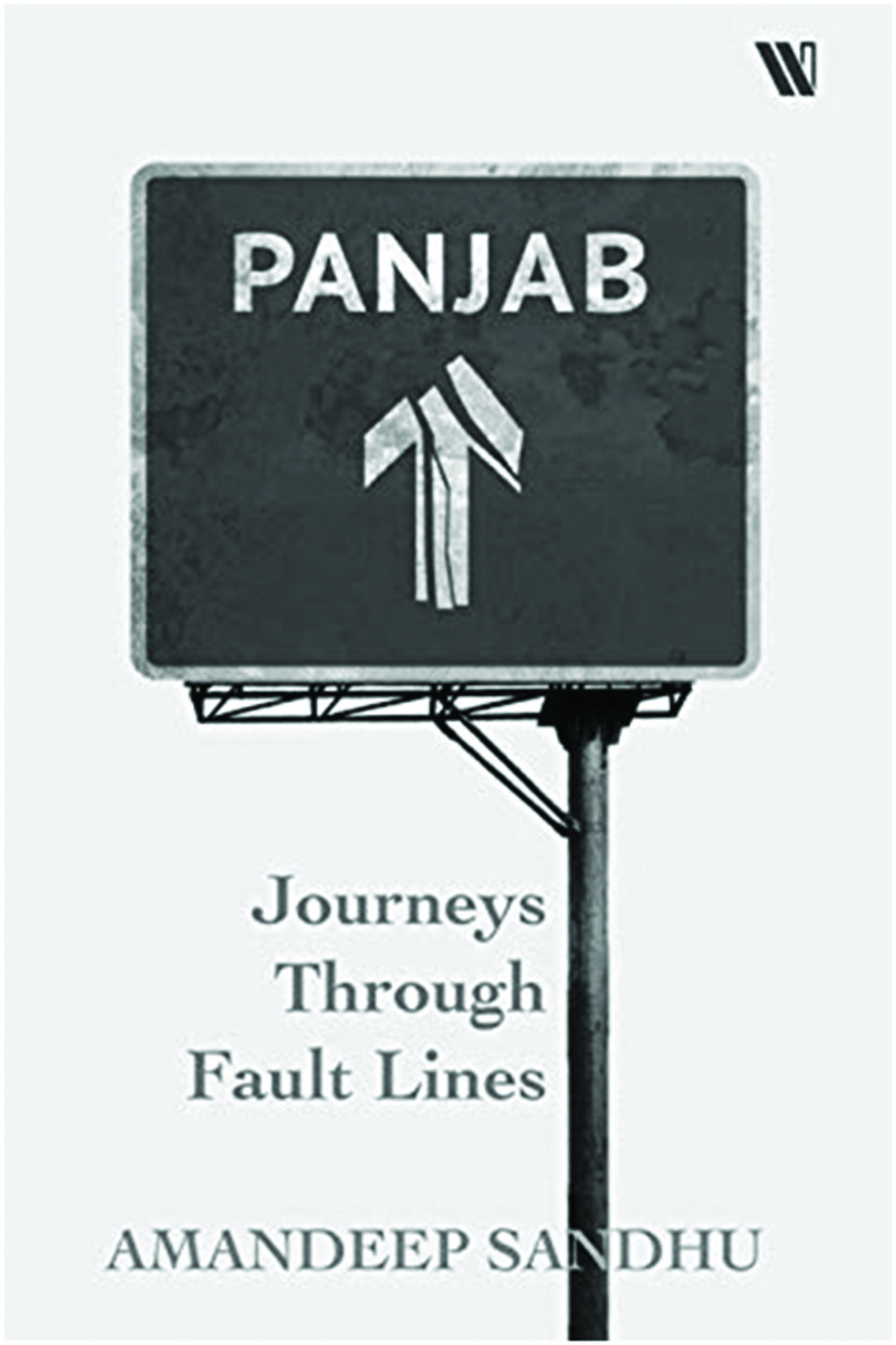
Amandeep Sandhu
The tenor of Amandeep Sandhu’s Panjab: Journeys Through Fault Lines is established in the very first chapter titled Satt–Wound. The author, born in Rourkela, admits to only a fragile link with Punjab (spelt Panjab)–his family once belonged to the State. He then provides images that are intimate and distant, uniquely personal and universally familiar all at once: brass vessels.
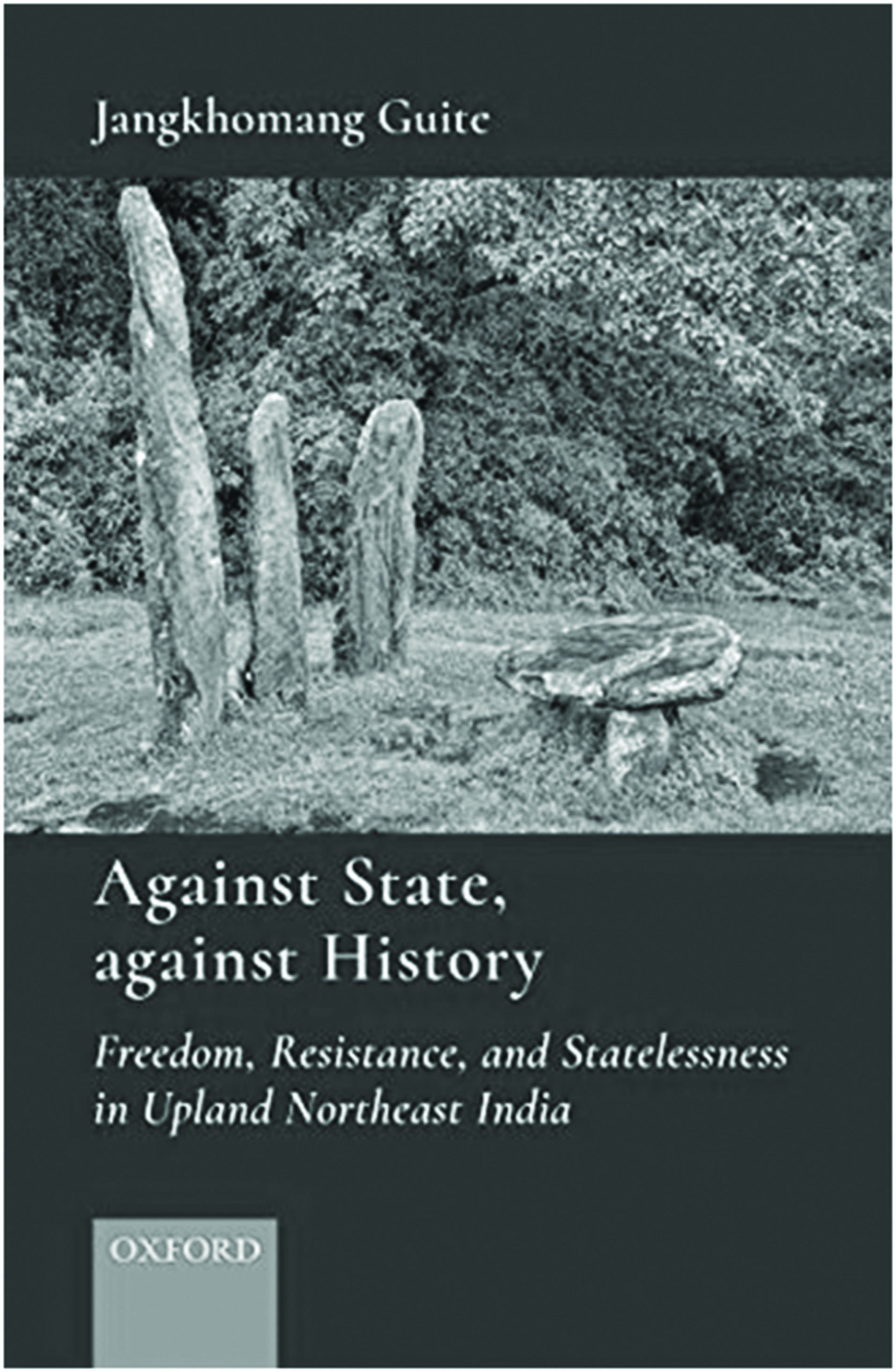
Jangkhomang Guite
2019
Colonial stereotypical portrayal of the myriad hill-tribes of India’s North East as, inter alia, demoniacal, relics of the past and uncivilized—abstract principles intended to rationalize the imperial project—has undergirded much of the dominant understandings about the region.
Partha Chatterjee
This is a timely intervention by Partha Chatterjee on the question of popular sovereignty in an era of populism and abounding authoritarianism. The book is based on the Ruth Benedict Lectures that Chatterjee delivered at Columbia University in April 2018 and as he admits candidly.
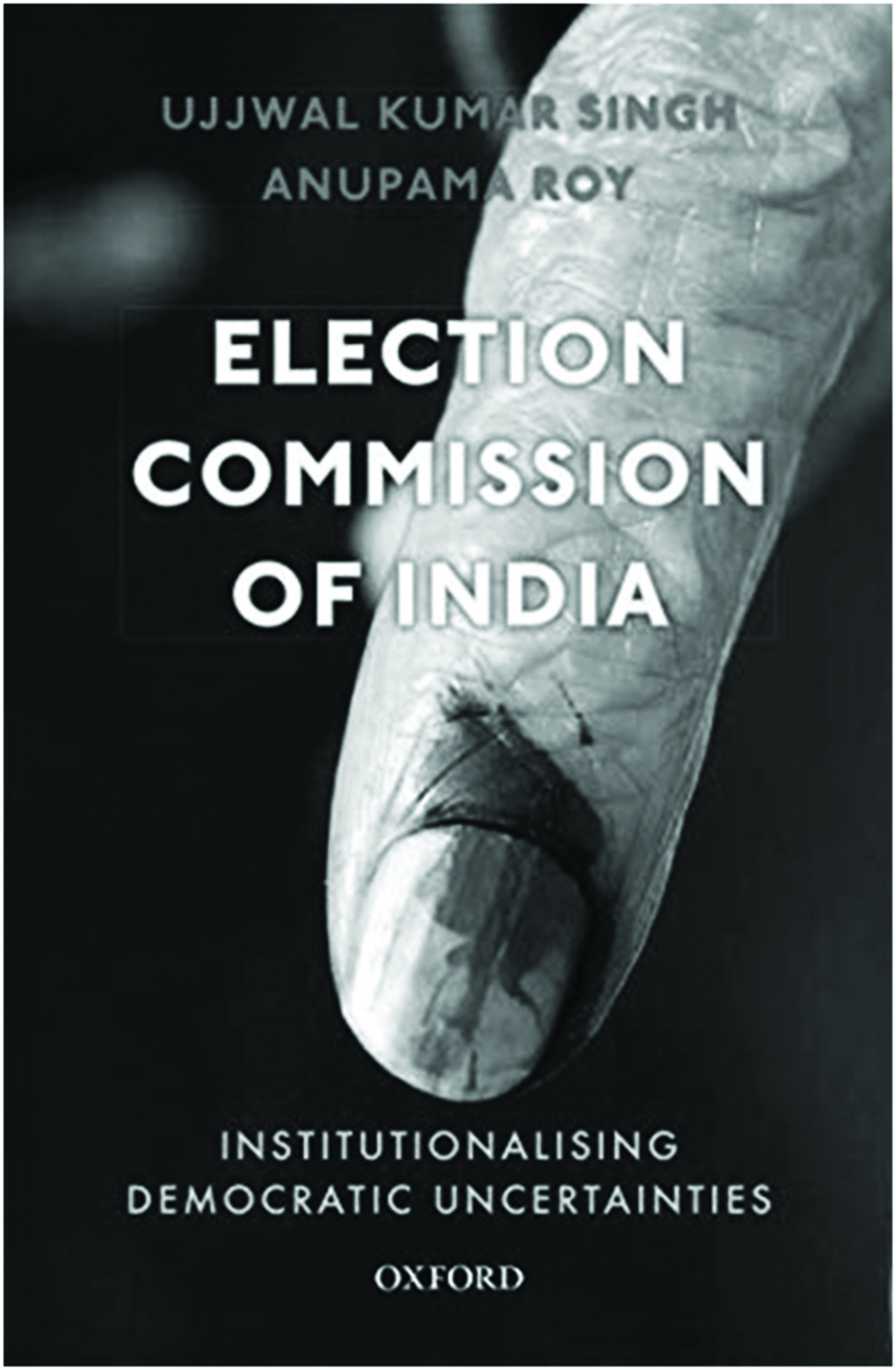
Ujjwal Kumar Singh and Anupama Roy
Election Commission of India: Institutionalising Democratic Uncertainties has hit the shelves—physical as well as digital, at a time when the Election Commission of India (ECI) has come under unprecedented scrutiny over its alleged failure to enforce election norms.
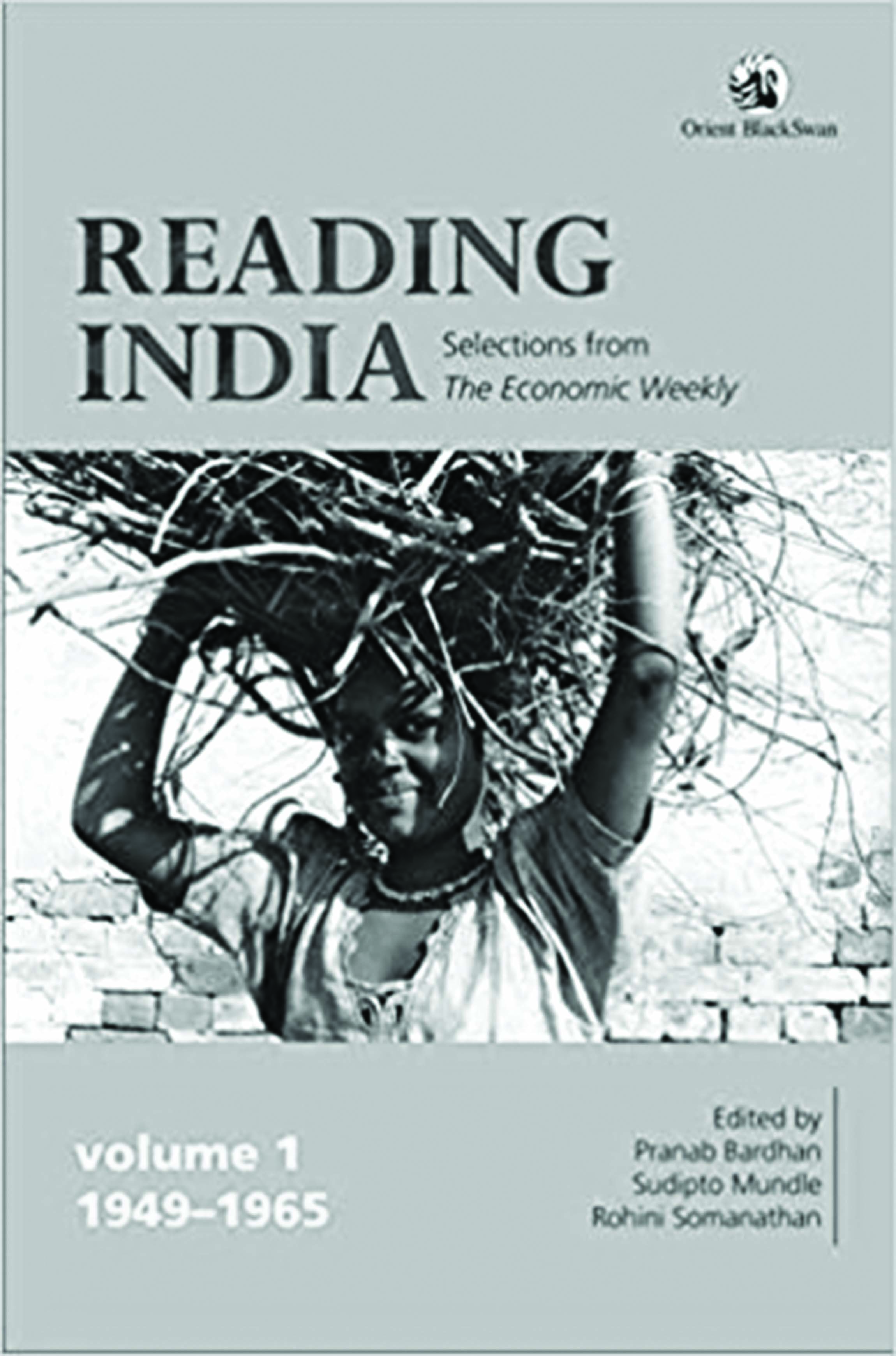
Pranab Bardhan, Sudipto Mundle, and Rohini Somanathan
As our Republic turns 70, there is a distinct anti-intellectual wind blowing in the air, by which I mean not merely a certain wariness often bordering on suspicion of ideas but outright disrespect for ideas that are not popular. Ideas that question or point to flaws.