
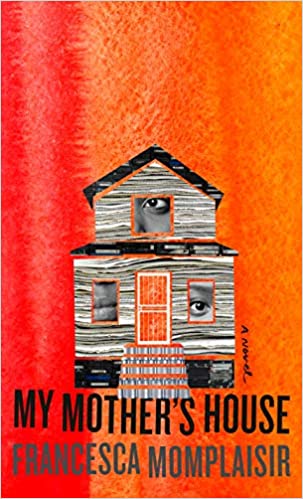
Francesca Momplaisir
This cracker of a debut novel opens with a house on fire—La Kay, a house that is one of the protagonists, a sentient house, that is actually attempting to commit suicide. The house has had enough of its ‘owner’ Lucien, an immigrant from Haiti who had moved.
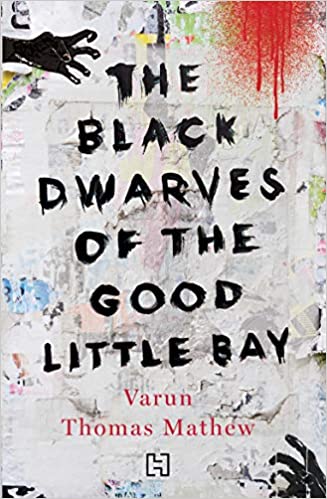
Varun Thomas Mathew
The year is 2041. A huge fortress named Bombadrome, 500 sq. km in an area housing thirty million people stands against a towering sea wall on the soil of erstwhile Bom Bahia, Bombay or Mumbai. Equipped with the finest transport network, efficient.
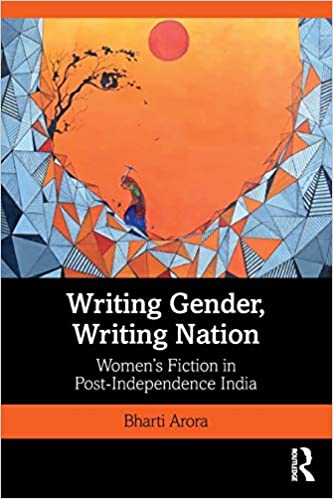
Bharti Arora
Bharti Arora’s book is an analysis of eleven novels written by women in different Indian languages from 1950 to the mid-1990s. It draws from historical and sociological scholarship and policy reports to develop a framework to draw attention to the socially.
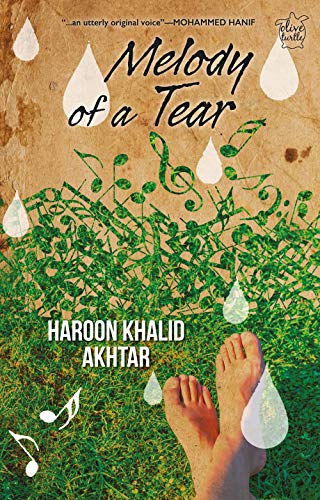
Haroon Khalid Akhtar
2020
Womankind must keep walking to stay a matter of safe routine. Standing still made one the object of prying eyes.It is the act of standing still that reverberates throughout the novel in diverse ways and takes on new meanings in every turn of the page in the novel.
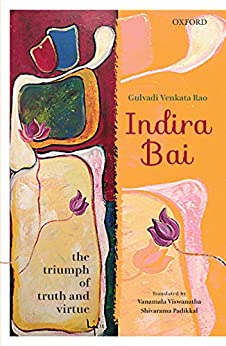
Gulvadi Venkata Rao
The first Kannada novel, Indira Bai or The Triumph of Truth and Virtue, has been recently translated into English, for the second time, by Vanamala Viswanatha and Shivarama Padikkal. Originally published by the Basel Mission Press, Mangalore, in 1899.
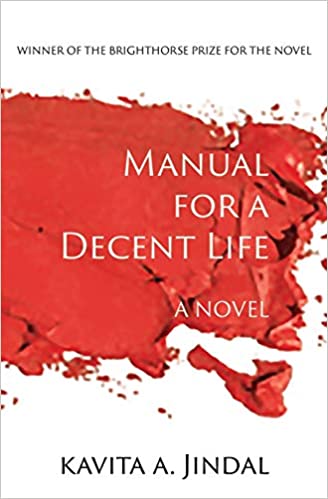
Kavita A. Jindal
A winner of the Brighthorse Prize, Kavita A Jindal’s debut novel builds slowly at first; the mood is tense, both pace and complexity rise steadily to an almost rabid crescendo. Jindal’s rich prose seduces you into northern India: Uttar Pradesh,
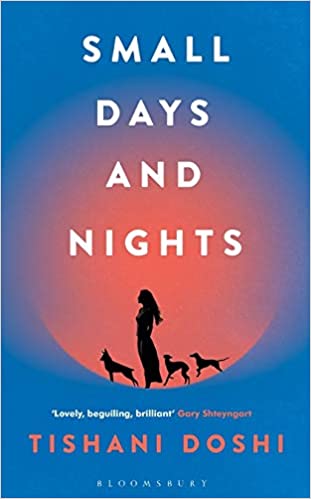
Tishani Doshi
It is understandable that Tishani Doshi as a poet would prefer to write slowly. But she extends the principle of slow writing to her prose works too, speaking of its value in a note at the end of her debut novel The Pleasure Seekers (2010).
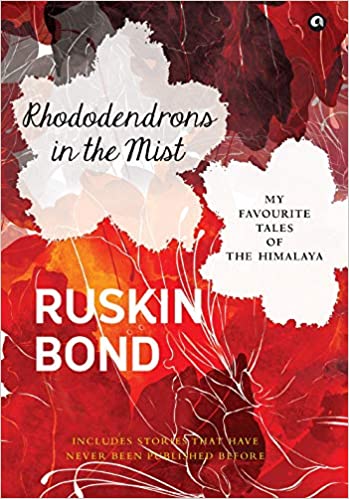
Ruskin Bond
If you are living in a limbo you need the company of old friends. All my life I have cherished silence but during the first weeks of the lockdown, when silence lay over my noisy city like a pall of gloom, I began to hate it. I yearned for the sound.
Through the thick haze, Sayma did not see the airborne projectile that smacked her square between the eyes.
When she realized that she had been struck by a rolled-up newspaper, curses came flying out of her mouth at the bitter old goat that came every morning to deliver it on his bicycle. An appropriate response was promptly hurled back.
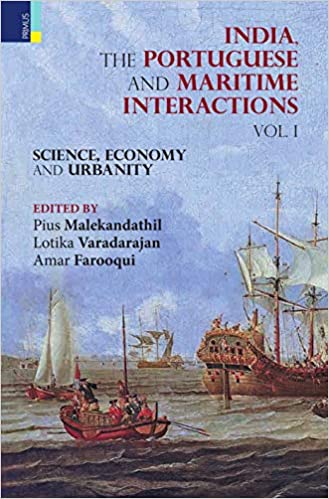
Pius Malekandathil, Lotika Varadarajan and Amar Farooqui
The sixty papers published in these two volumes were all presented at the 14th International Seminar on Indo-Portuguese History (ISIPH) held at Delhi in 2013. The first of these seminars was held at Goa in 1978 on the initiative of the late Father John Correia-Afonso.
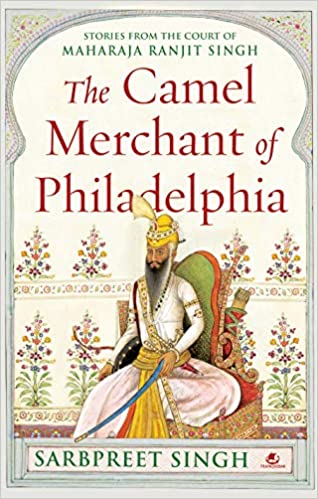
Sarbpreet Singh
The book under review, The Camel Merchant of Philadelphia, is a fascinating account of the life and times of Maharaja Ranjit Singh, the architect of the formidable Sikh State in the first half of the 19th century. While the rest of India.
Hasan Suroor
HHasan Suroor’s latest offering, provocatively titled Who Killed Liberal Islam, seeks to delve into the apparent decline of liberalism within the Indian Muslim community. The author places the responsibility of this decline primarily on the shoulders.
Salman Khurshid, Sidharth Luthra, Lokendra Malik, Shruti Bedi
The essays for the edited volume have been written in honour of Upendra Baxi, one of India’s leading law teachers and an eminent scholar of constitutional law. As is globally known, in his long illustrious career as a university law teacher.
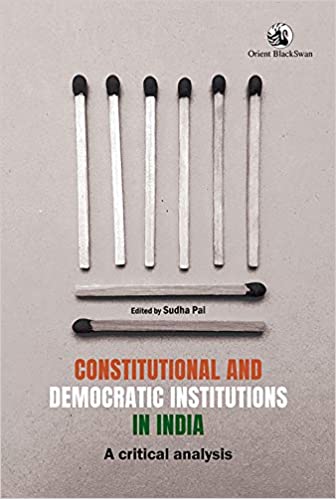
Sudha Pai
The book under review, studying public institutions in India follows Rethinking Public Institutions in India edited by Devesh Kapur, Pratap Bhanu Mehta and Milan Vaishnav (OUP 2017). Grouped in five parts, the volume examines sixteen institutions, aside from analysing methodologies for studying institutions.
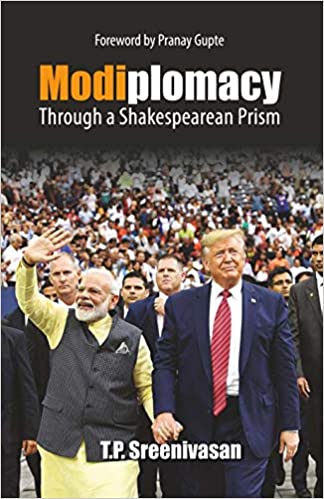
T.P. Sreenivasan
The book’s title intrigues. The author early on in the book explains it thus, ‘I began to see the pattern of a Shakespearean play, consisting of early successes, some complications, a climax, the emergence of a major event or character which changes.
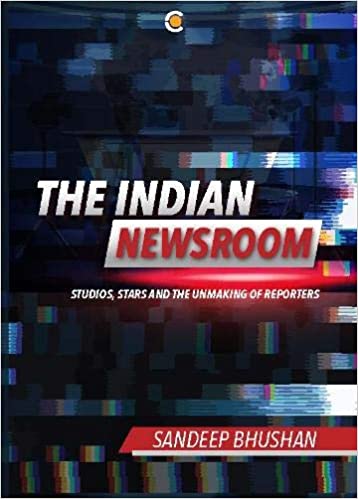
Sandeep Bhushan/ Sanjay Asthana
New York University Professor Arvind Rajagopal has observed that television is an important avenue through which new modes of exercising power are being practiced. The two books under review provide insights into the Indian version of this phenomenon.
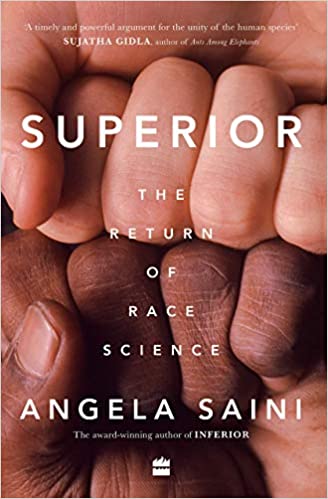
Angela Saini
In this fascinating account of the history of humans on planet earth, Angela Saini pushes the story of evolution back to 200,000 years, (instead of the more frequent ‘45,000 years ago’), and presses for a diffused history of mankind, rather than a linear evolutionary model.
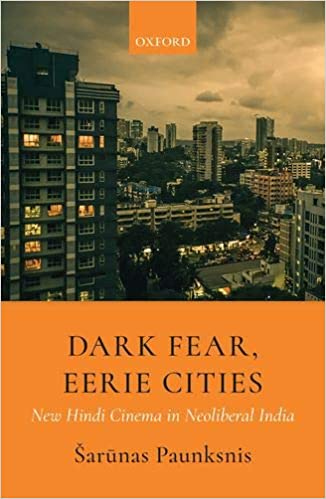
Šarūnas Paunksnis
The book Dark Fear, Eerie Cities analyses a particular strand of Hindi films from the past two decades and through them leads us through a fascinating enquiry into the sources and manifestation of desire, anxiety, fear and neurosis in the new Indian.
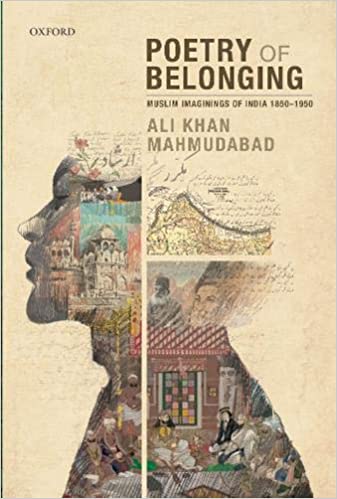
Ali Khan Mahmudabad
We inhabit an era in which we take for granted both nations and national histories that are very recent creations in the large swathes of time. Not to speak of postcolonial states like India that became independent as late as the mid-twentieth century.
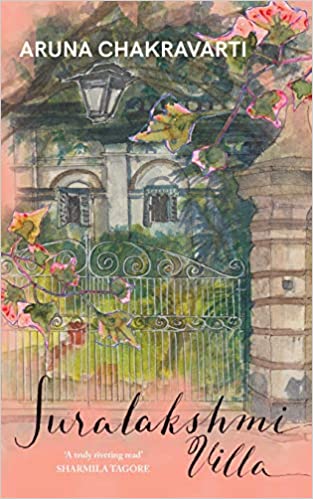
Aruna Chakravarti
Suralakshmi Villa, titled after the eponymous heroine of this novel, is a remarkable witness to an inter-generational story that speaks to urban India. A drive around the older neighbourhoods of New Delhi or Kolkata would bring us in view of stately.