

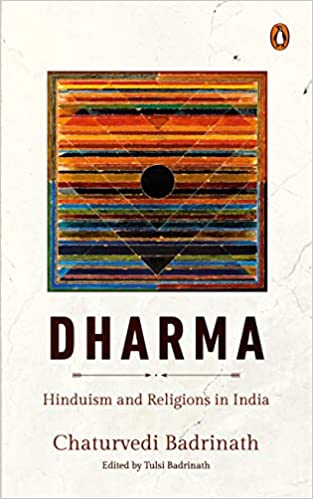
Chaturvedi Badrinath/Shashi Tharoor
Hinduism is the oldest living religion. Like all statements about Hindus, this needs further and then further qualification. The Indic tradition (shorthand for Hinduism), as expected, provides it: neti, neti. It is not a religion, nor an -ism.
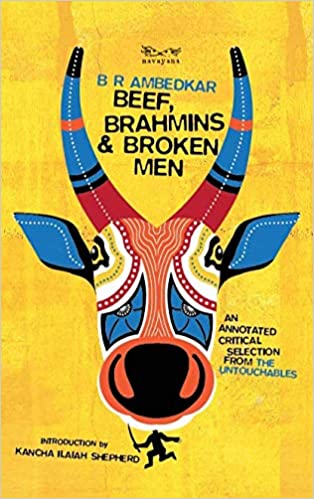
B. R. Ambedkar
price not statedThe view of Ambedkar as a radical philosopher who can help us understand and fight social and economic evils that Indian society is fraught with through the ages is gaining strength. The gains are a hard-won battle realized by Dalit-Bahujan groups.
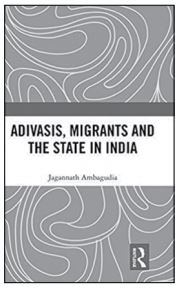
Jagannath Ambagudia
Earlier this year, while the country witnessed protests against the newly amended Citizenship (Amendment) Act 2019 (CAA), the Bharatiya Janata Party’s senior leader and the then Chairperson of the National Commission for Scheduled Tribes (NCST), Nand Kumar Sai.
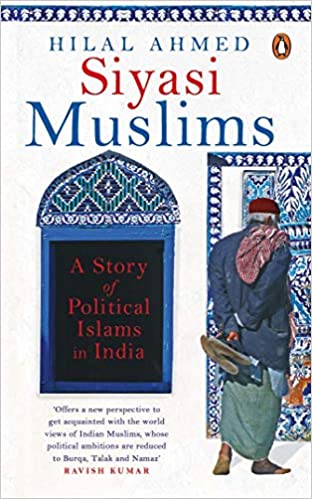
Hilal Ahmed
The interplay between religion and politics has been the quintessence of political discourse in postcolonial India. Hilal Ahmed’s Siyasi Muslims: A Story of Political Islams in India is an attempt to define Muslim political discourse in postcolonial India.
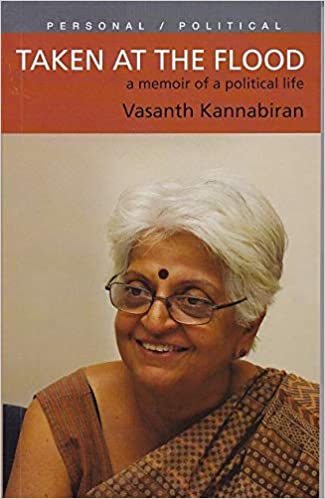
Vasanth Kannabiran
Vasanth Kannabiran’s latest book, described in this edition’s back cover as ‘a feminist memoir’, is a great deal more. There are at least three major narrative strands in the book: (1) Central to it is Vasanth’s examination of her evolution.
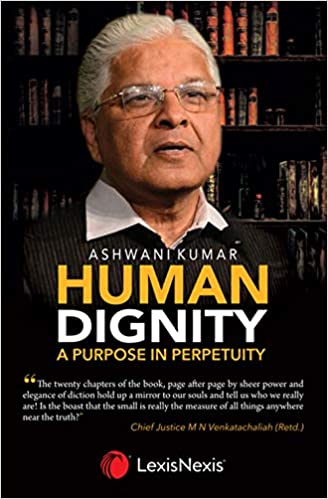
Ashwani Kumar
Ashwani Kumar, lawyer and veteran of the Rajya Sabha for fourteen consecutive years, has contributed several articles over the years to the Tribune, the Indian Express and The Hindu. This new book is a collection of essays on a wide range of issues of contemporary concern.
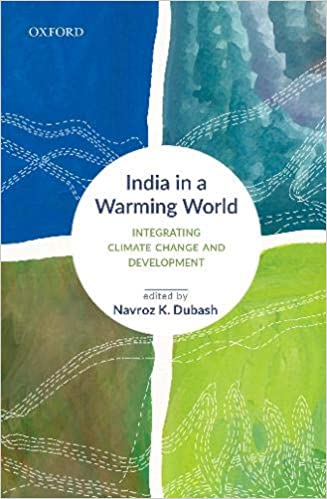
Navroz K. Dubash
If we think that climate change is only the melting of glaciers in the polar regions, decreasing numbers of polar bears, wild fires in Australia or the Amazons, sea level rise and hurricanes in the US, we are in denial! The average temperature in India.
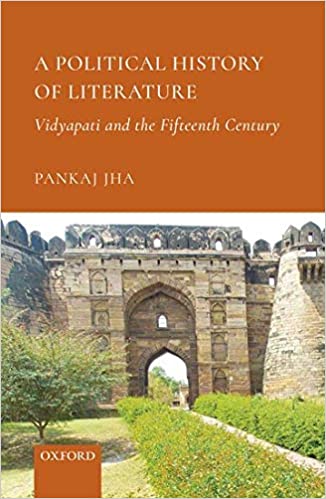
Pankaj Jha
In this study of Vidyapati, scholar and poet from fifteenth-century eastern India, Professor Pankaj Jha explores how historians might engage with literary texts so as to enrich our understanding of both history and literature. Vidyapati presents.
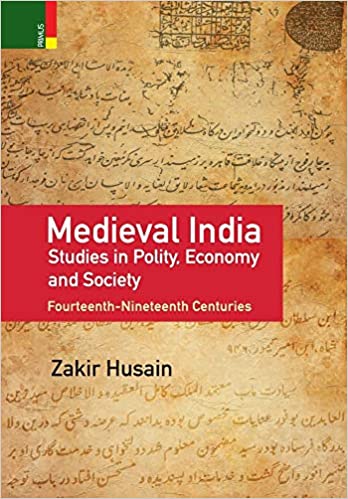
Zakir Husain
Based on Persian archival material, the documents and private collections at the National Archives of India, New Delhi and several other archives in India and abroad, this volume explores the events for the period mid-fourteenth to mid-nineteenth centuries.
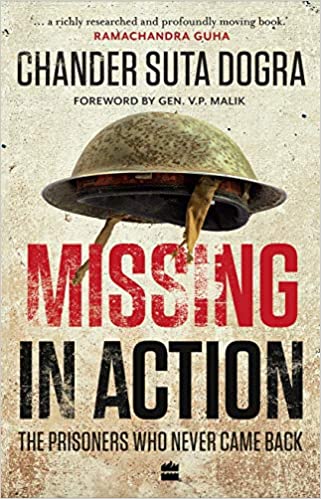
Chander Suta Dogra
Nations love their armed forces and nationalism thrives on war but wars have consequences for which neither the nationalists nor their leaders are usually prepared. Military and political histories also feast on war but in general do not pay adequate attention.

Shubha Mudgal, Aneesh Pradhan and Kunal Ray
Following from Javed Akhtar’s lament in the Foreword to this volume, there is much to be said for re-focusing our collective attention on the shabd (literally, word) or the text as a proxy for language (and not just in music), as the richness.
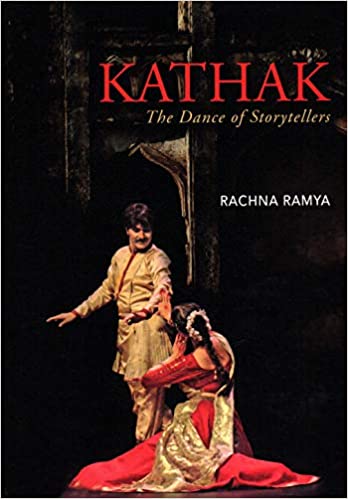
Rachna Ramya
The large majority of books on Kathak that offer a historical, theoretical and practical approach to the study of the dance form are in Hindi. Some are also available in other vernaculars like Bengali. This itself makes Kathak: The Dance of Storytellers.
Javed Majeed
Whether or not it is correct to term George Abraham Grierson’s 21-volume Linguistic Survey of India (produced over more than three decades: 1894-1927) ‘monumental’ is a query that Majeed’s set of two volumes seems to propose as key for studying.