
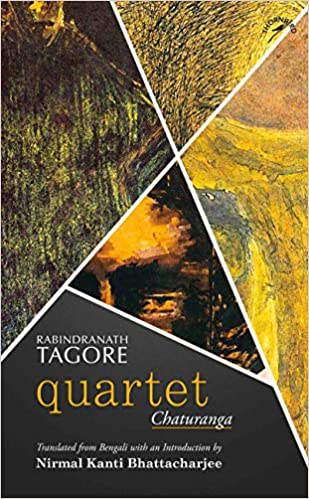
Rabindranath Tagore
Originally serialized in the magazine Sabjupatra in 1915, Rabindranath Tagore’s Chaturanga (Quartet) is a short novella set in 19th century Bengal. Later it was published in book form in 1916 and is considered a landmark in Bengali literature.
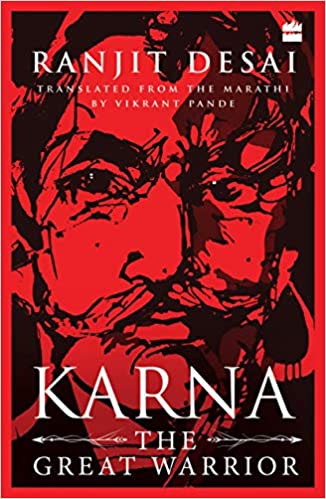
Ranjit Desai. Translated from the original Marathi by Vikrant Pande
Any survey of modern Marathi literature from the mid-19th century onwards is bound to show up its fascination for and engagement with historical and mythological subjects whether in drama or fiction. In the wake of the Dramatic Performances Act imposed.
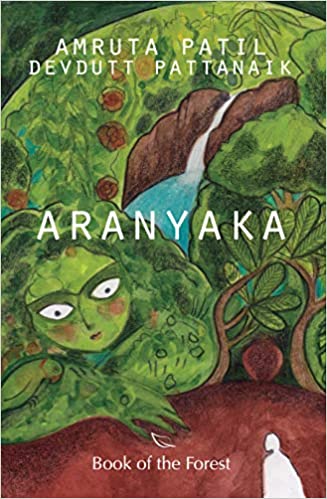
Story & Art by Amruta Patil. Concept: Devdutt Pattanaik
In the Rig Veda the rishi-poets reserved the sun and moon, the sacred fire, thunder and lightning for the macho male gods and only gave the forests to a goddess—Aranyani. In a beautiful hymn she is described as an elusive and very beautiful.
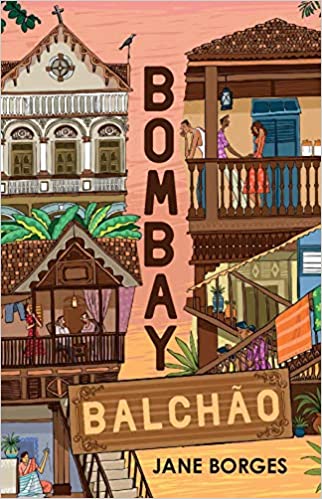
Jane Borges
2019
‘Each time you prepare the balchao masala, think of the person you want to feed it to. If it’s someone you dislike, you might end up being too liberal with your spices. If this person is somebody you love, you will be more careful, especially.
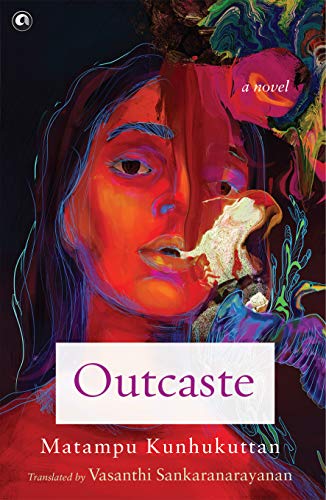
Matampu Kunhukuttan. Translated from the original Malayalam by Vasanthi Sankaranarayanan
The Malayalam novel, published in 1969, was based on the 1905 trial for excommunication of a high-born Namboodiri Brahmin woman (antharjanam) named Thatri from the Namboodiri homestead(illam) called Kuriyedathu and her sixty-four paramours.
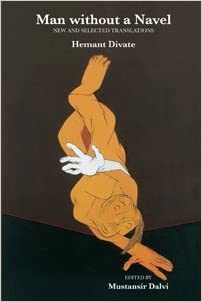
Hemant Divate/Mustansir Dalvi/Bina Sarkar Ellias/Reshma Ruia
A whole line whose meaning is backed by no experience may crash upon me.
The temporalities of one’s life are divided into past, present and the future. In living towards one’s future, there is always the far end that remains at the back of one’s mind—death.
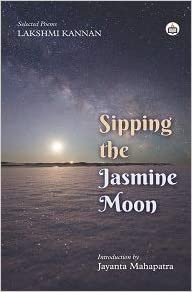
Lakshmi Kannan. Introduction by Jayanta Mahapatra
Poet, novelist, short story writer and translator Lakshmi Kannan is bilingual, writing fiction in Tamil in the name of ‘Kaaveri’. Sipping the Jasmine Moon is her fifth book of poetry. Rivers, river myths, family relationships, friendship and spirituality.
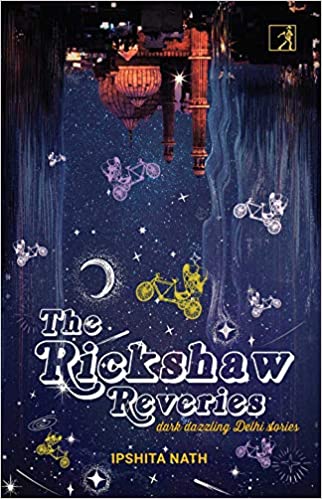
Ipshita Nath
Hold tight. The rickshaw ride could turn unruly as it meanders through the underbelly of an unlikely city that undervalues the compulsive human-driven commuting that crisscrosses its bye lanes. Ipshita Nath’s debut of dozen stories of rickshaw rides.

Paul St-Pierre
What can a study of translations tell us about the unfolding of societal and cultural patterns and trends? If translation is taken to be a source and agent of ‘change’ in a society, how can a translational approach to history help us gain insights.
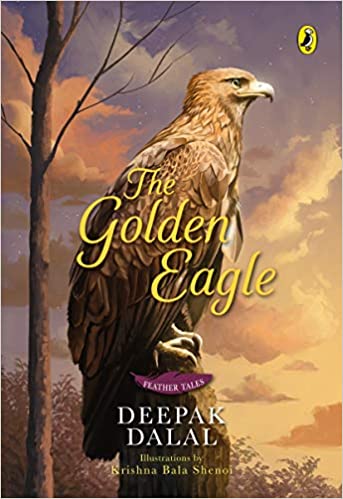
Deepak Dalal. Illustrations by Krishna Bala Shenoi
2019
Here is a gripping saga of intrigue and ambition, jealousy and compassion, spies and villains, secret caves and mysterious sky holes. Only, it is set in the bird kingdom and the drama begins in Rose Garden, the home of Shikar, the squirrel.
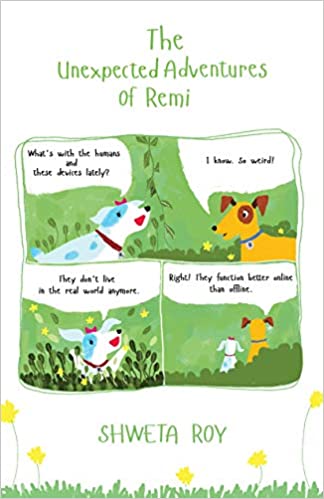
Shweta Roy. Illustrations by Atish. Cover Design by Ambika Karandikar/Sudha Murty. Illustrations by Priyankar Gupta
The first book under review has an intriguing cover featuring two dogs who are puzzled by their owners’ addiction to their phones and laptops. One of the dogs, a fox-terrier named Remi wonders, ‘What’s with the humans and these devices lately? … they don’t live.
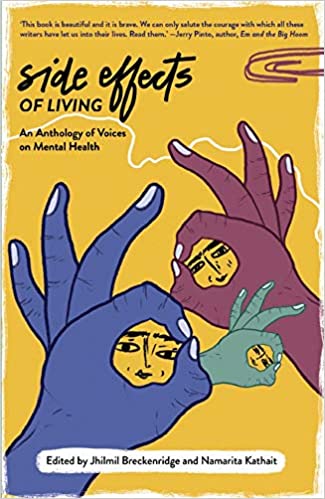
Jhilmil Breckenridge and Namarita Kathait
The edited volume is an anthology of twenty-four real-life experiences of mental illnesses survivors along with seventeen lovely poems and a little bit of art on mental health. At the outset, the editors explain the rationale for the title in their Preface.
First Prize: Megalomania, by Jobeth Ann Warjri Second Prize: Not A Day For Outings, by Armaan Third Prize: Her Day, by Santanu Das We carry below the entry for the First Prize in this issue. Megalomania Jobeth Ann Warjri She took the scissors from the holder. Snip, snip, snip and the dress material took…

Francis Robinson
The Muslim World in Modern South Asia: Power, Authority, Knowledge consists of a dozen articles (including an introduction) along with a roughly equal number of book reviews written by one of the leading historians of South Asian Muslims during the modern period.
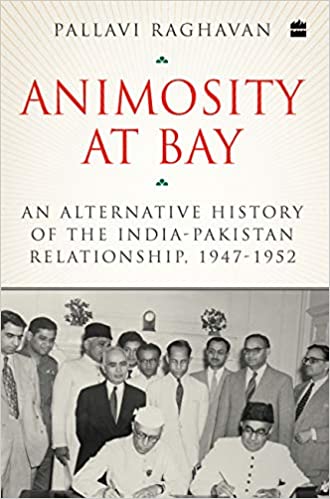
Pallavi Raghavan
Pallavi Raghavan has written a remarkable book on the early years of India-Pakistan relations. This is history as it should be written—granular, rigorous, following the evidence, and not afraid to ask big questions. Based on detailed archival work, she presents a fresh view of how India.
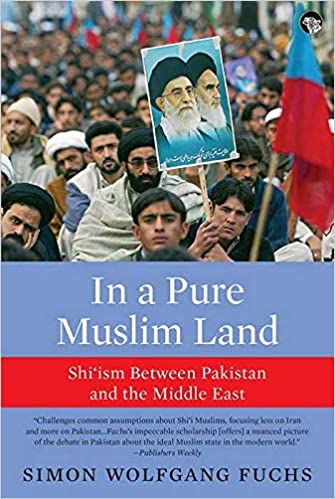
Simon Wolfgang Fuchs
The South Asian subcontinent counts a significant Shi’i population, with Pakistan having the word’s second largest number of Shi’is. Yet it has so far received limited scholarly attention. This book, adapted from the author’s PhD dissertation.
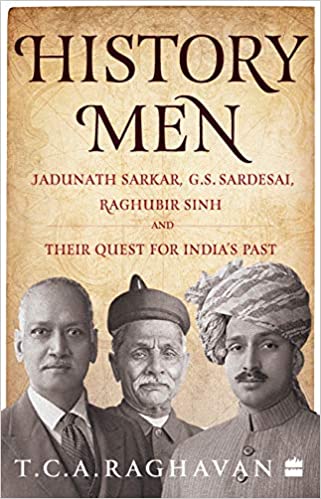
T.C.A. Raghavan
The zeal with which, in the late nineteenth and early twentieth-centuries, history enthusiasts of the Bombay Presidency went about unearthing old documents, and the kind of primary sources that they identified as being relevant to their search, did much.
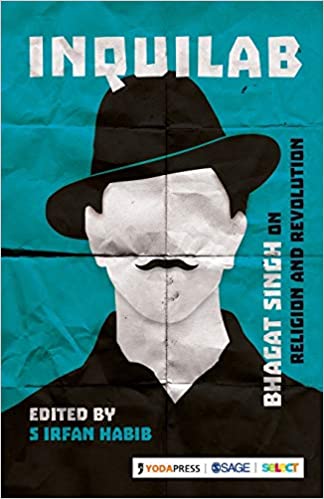
S. Irfan Habib
With the establishment of the dominance of the Hindu Right over Indian politics, their attempts to rewrite the history of Indian anti-colonial movement and appropriate its icons have intensified. Bhagat Singh has been an icon who has long been favoured by the Hindu Right.
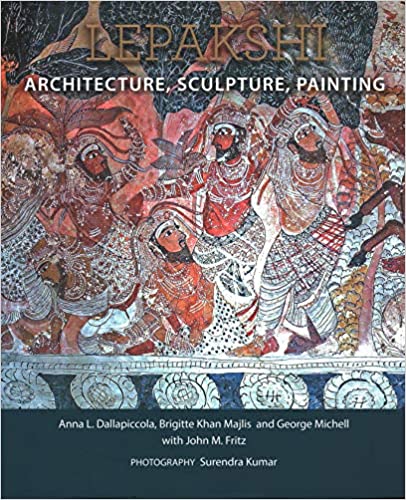
Anna L. Dallapiccola, Brigitte Khan Majlis and George Michell with John M. Fritz. Photography: Surendra Kumar
This book presents a fairly comprehensive primary coverage of the heart of the Lepakshi temple town where lay its religious and trade basis. Its richly painted ceilings take us beyond an identification of religious iconography to tell us about the shifts.
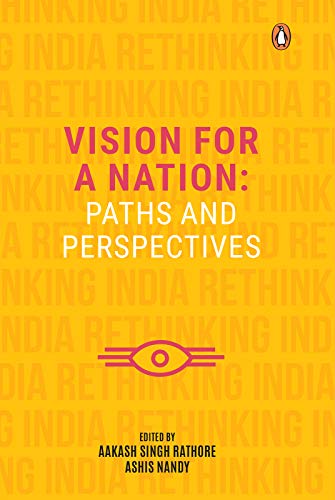
Aakash Singh Rathore and Ashis Nandy
The 2019 General Elections confirmed the hypothesis that the broad consensus over the ‘idea of India’ forged at the time of Independence no longer holds and a fundamental shift has taken place in favour of values that are the antithesis of this consensus.