
Politics
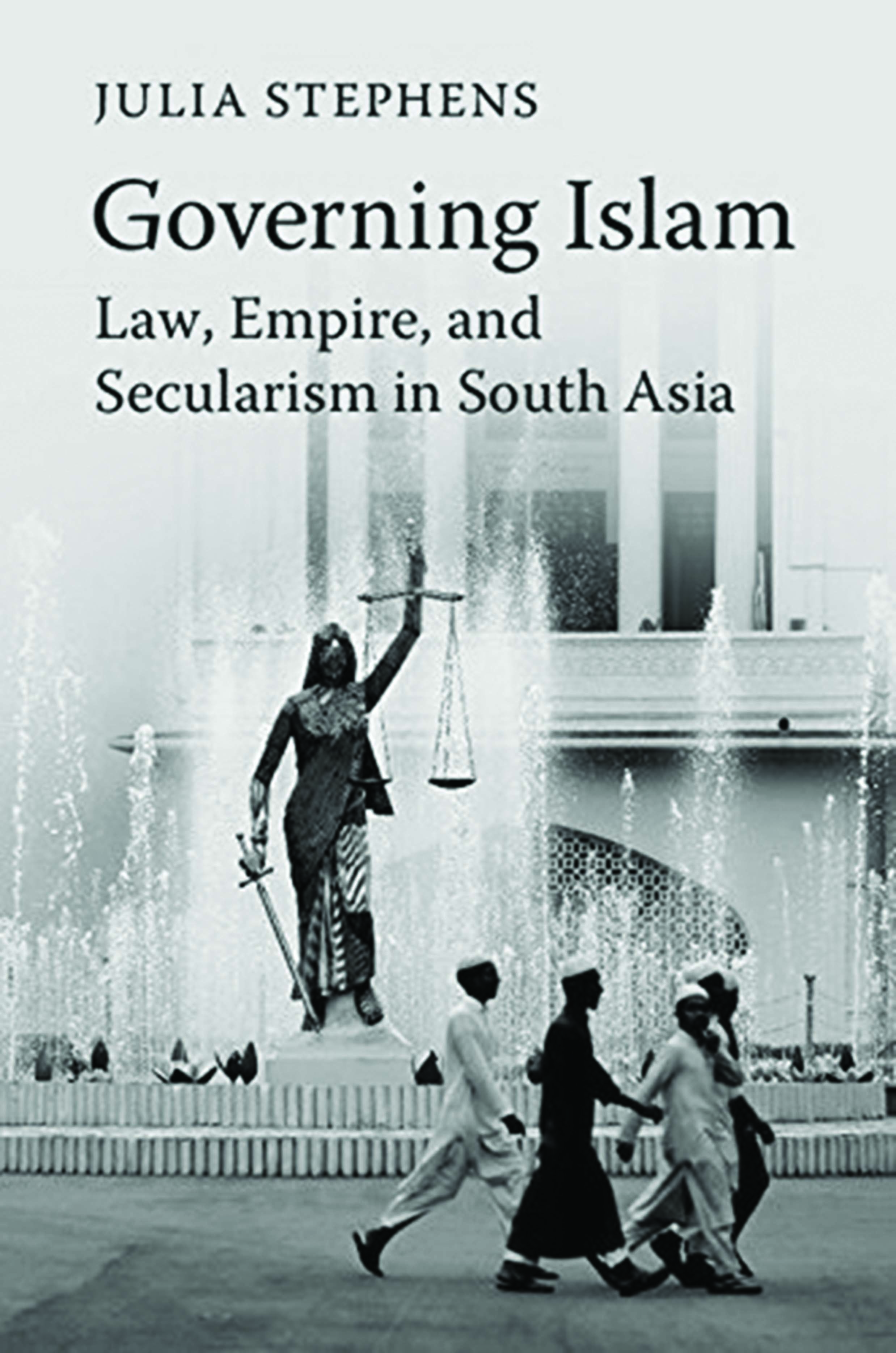
Julia Stephens
The current manouevres by the Indian government to define civic status in terms of religious identity have deep roots in the legal regimes introduced under British colonial rule. If implementation of the new Citizenship (Amendment) Act will require applicants.
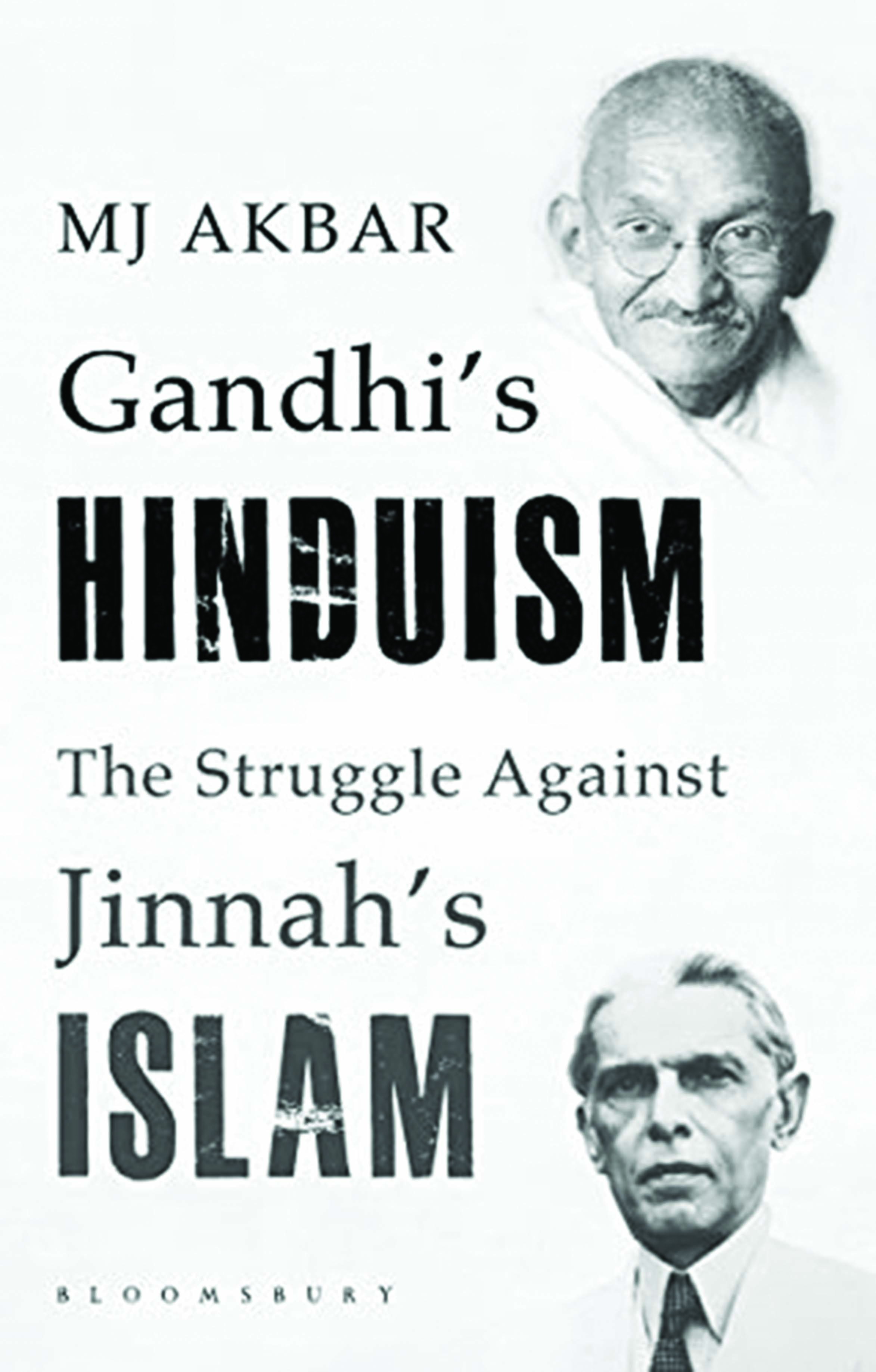
M.J. Akbar
MJ Akbar needs no introduction. A famous journalist and politician (BJP), he is also a prolific writer. His latest offering, its unwieldy and somewhat misleading title notwithstanding, is about the last phase of India’s freedom struggle. The struggle for freedom was never between Hinduism and Islam.
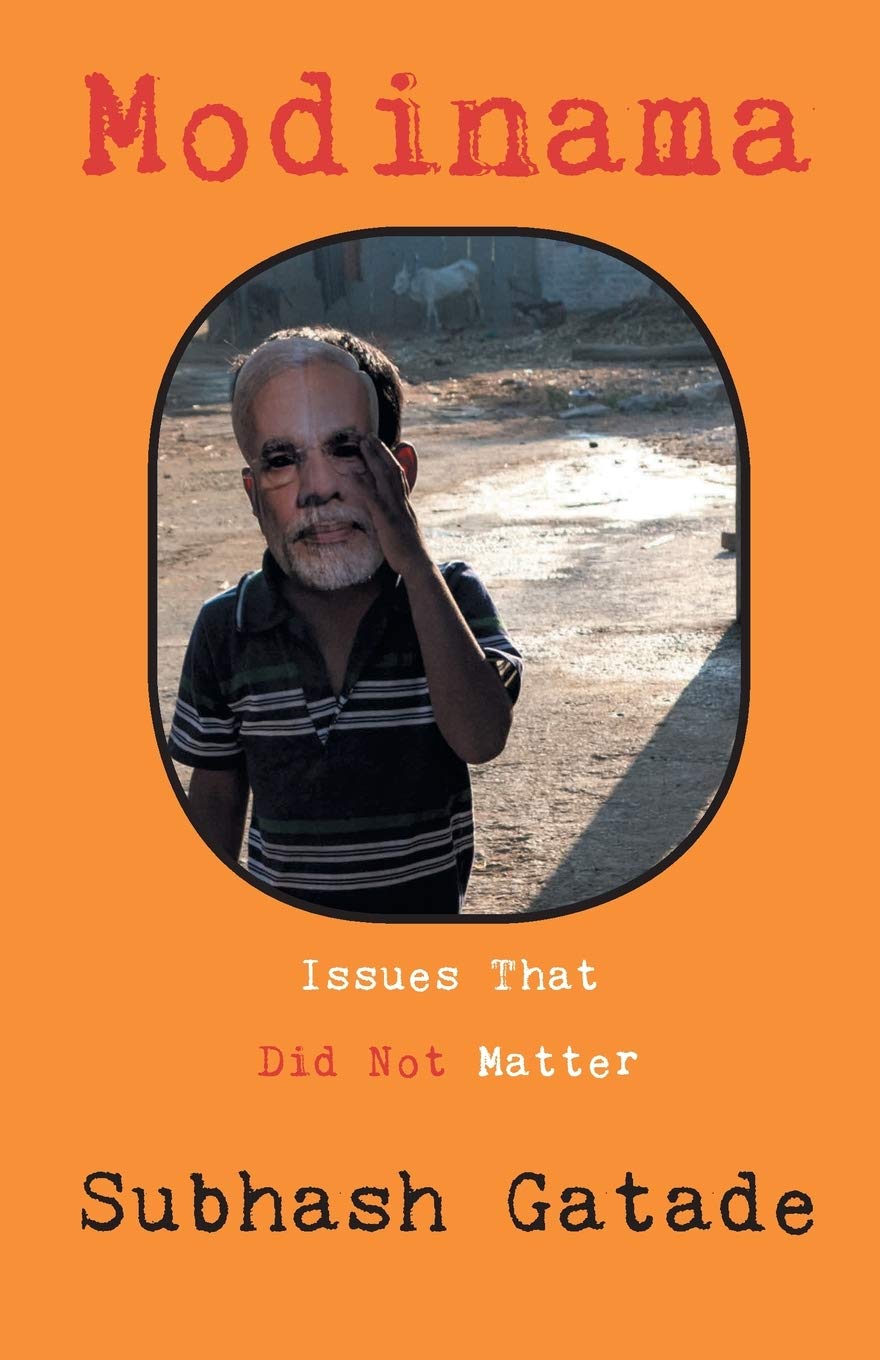
Subhash Gatade
The 2014 general elections which saw the Bharatiya Janata Party return to power with an absolute majority is believed to have brought an important paradigmatic shift to Indian politics. Scholars commenting have termed it as a majoritarian shift.

Jennifer Bussell
In this illuminating study Jennifer Bussell explores a frequently talked about but scarcely studied phenomenon of Indian democracy, characterized aptly as ‘patronage democracy’, describing the relationship between elected representatives and the electors as ‘clients and constituents’.
Rajeev Dhavan
Increasing corruption in public life has been a matter of growing concern in India since the early 1960s. The Administrative Reforms Commission recommended the appointment of the Lokpal institution in 1966. Since then, a number of Lokpal legislations were introduced.
Rumki Basu
The discipline of public administration emerged foregrounding two major Wilsonian fallacies. One, that ‘politics’ and ‘administration’ are distinct dichotomous governmental blobs which need to be dealt with separately, and the political and permanent executive must take note of it.
Maidul Islam
The Indian social, political and economic scenario has undergone and is still undergoing a process of rapid transformation. A change is particularly significant in the way we perceive Muslims and their concerns in India. The new institutional framework caused.
Rajesh Kota
In normal political discussions, the conscious Ambedkarites are scaled above and admired more over the other ‘non-active’ Dalits. In the post-Ambedkar period, the Dalit Panthers in Maharashtra and the formation of the BSP in Uttar Pradesh are two prominent examples.

Rajesh Kota
Jai Bheem, Lal Salaam (Hail the Unity of the Ambedkarites and the Marxists) had become a catchphrase slogan in the aftermath of Rohit Vemula’s suicide in Hyderabad Central University in 2016, which immediately percolated to the streets around the power-corridors.
Uma Chakravarti
This is the revised and updated edition of a book originally published in 2003. Maithreyi Krishnaraj’s ‘Note from the Series Editor’ introduces the volume and places it in its context, while Uma Chakravarti’s ‘Afterword: Caste and Gender in the New Millennium’ provides.
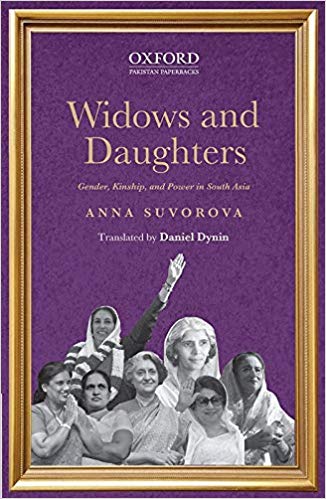
Anna Suvorova
This fascinating book provides a compelling narrative about the life and times of South Asia’s female heads of state. While the content focuses mainly on Indira Gandhi, Benazir Bhutto, Khaleda Zia, Hasina Wajed, Sirimavo Bandaranaike, Chandrika Kumaratunga.
Katherine Eban
Catherine Eban is an American journalist known for her ‘Investigative firepower’. Bottle of Lies: The Inside Story of the Generic Drug Boom is her second book on the pharmaceutical industry. Eban’s first work Dangerous Doses: A True Story of Cops.
S.Y. Quraishi
In the summer of 2019, while following the election campaign of Kanhaiya Kumar in Begusarai, I stumbled upon a dilapidated nondescript piece of history, tucked away in the vast hinterlands of Bihar. A dilapidated structure, seemingly remains of what was once a polling booth.
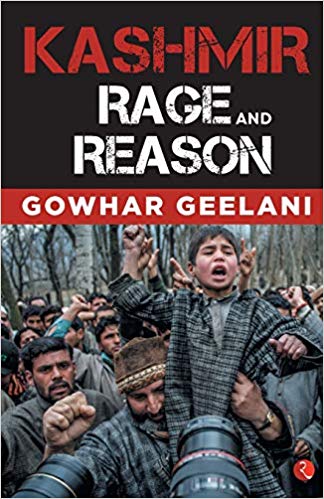
Gowhar Geelani, Moosa Raza,Rekha Chowdhary
Personalized accounts are a powerful source of knowledge about intricacies of conflict, and violence that follows. Rather than relying on grand theories or narratives, these accounts navigate a reader through the ‘lived and survived experiences’ of violence/conflict.
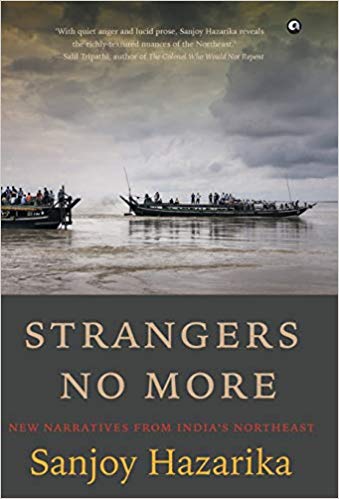
Sanjoy Hazarika
A journey through the eight States of North East India, the present book is a sequel to Sanjoy Hazarika’s earlier published and much acclaimed title Strangers of the Mist: Tales of War and Peace from India’s Northeast. Hazarika states that Strangers No More is a deeply personal book through which he intends to understand and express his concern on topical issues…
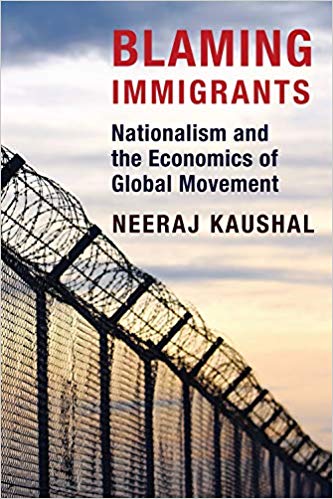
Neeraj Kaushal
Immigration has been a sensitive issue in national politics in the western hemisphere for the last 25 years. Its ascent as an issue to be discussed, debated and voted upon has been an outcome of the process of globalization. However, within the last ten years, particularly after the failed Arab Spring of 2011, it has become a hot topic in Europe as well as in the United States.
Louise Tillin
The Constituent Assembly of India, after two years, eleven months and eighteen days of intense debates, came up with the final draft of the Constitution which proclaimed India as a sovereign democratic republic. While the terms ‘secular’ and ‘socialist’ were later added to the Preamble (which is non-Justiciable by law) by the 42nd Amendment, the word ‘federal’ was eschewed.
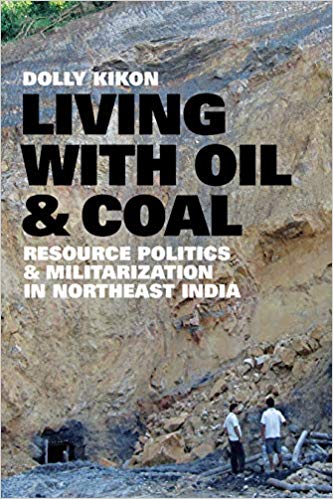
Dolly Kikon
In Living with Oil and Coal, Dolly Kikon presents the ethnography of the entangled lives of multiple actors—of villagers, state officials, geologists, insurgents, traders and landowners—in the militarized carbon landscape of the foothills of Assam and Nagaland in North East India. Although the extractive economy of carbon—oil, coal (and tea)—in these places and beyond is often presented as techno-developmental interventions by geologists…
Sejuti Das Gupta
Class, Politics, and Agrarian Policies in Post-Liberalisation India by Sejuti Das Gupta is a valuable and timely contribution to a political economy analysis of state and agrarian policies in India during the period of neo-liberal economic reforms. That Indian agriculture has slipped into some kind of a persistent crisis, leading to rural distress since the late nineties is something that has been amply written about and recognized.
Sukumar Muralidharan
This is a fascinating book on contemporary media studies comprising eight chapters focusing on the existing debate on speech and freedom, nationalism, the state, civil society, satire, media, market, advertising and journalism.