
International Relations
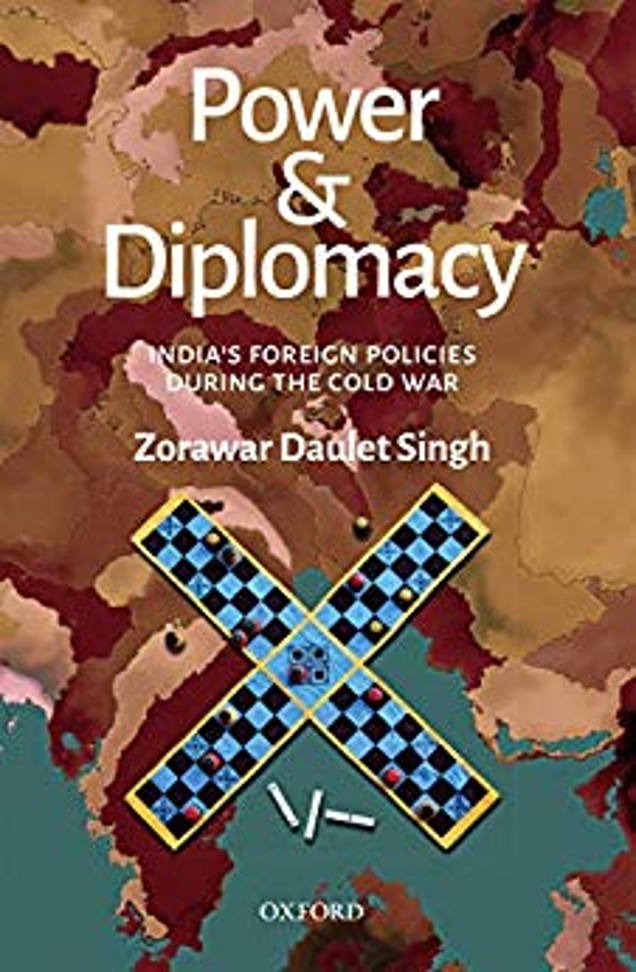
Zorawar Daulet Singh
Zorawar Daulet Singh has made a very impressive intervention into the historiography of Indian foreign relations in the Cold War. His close historical study of the diplomacy of both Jawaharlal Nehru and Indira Gandhi reveals profound differences.
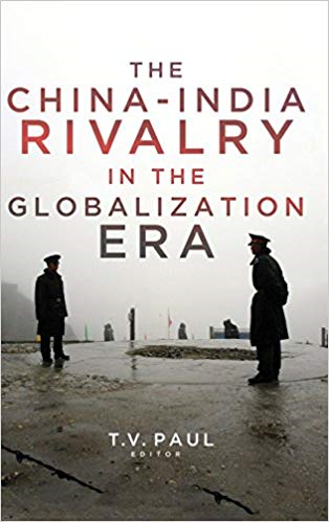
T.V. Paul
A veritable explosion in books offering China-India comparisons is a sign of the times. The two Asian giants offer strong similarities and contrasts, which belies an approximate 5-to-1 difference in the size of their economies.
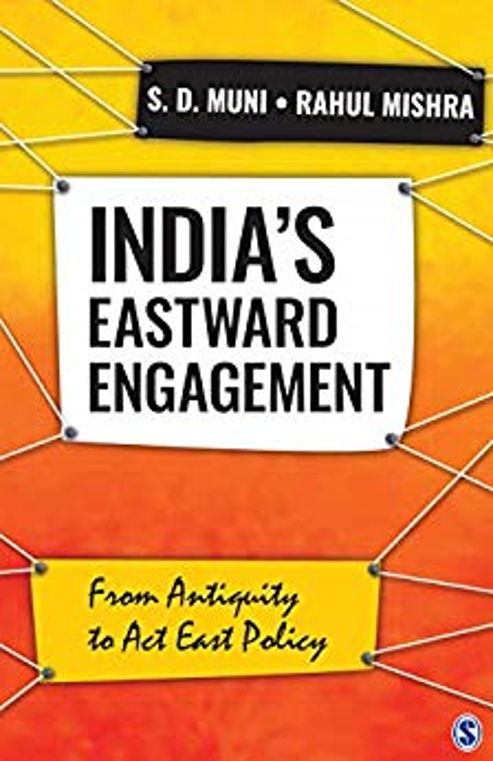
S.D. Muni and Rahul Mishra
The civilizational links between India and Southeast Asia established through its engagements and interactions with the region, has a long history. All the three major religions of Southeast Asia, namely, Hinduism, Buddhism, and Islam, went either from or through India.
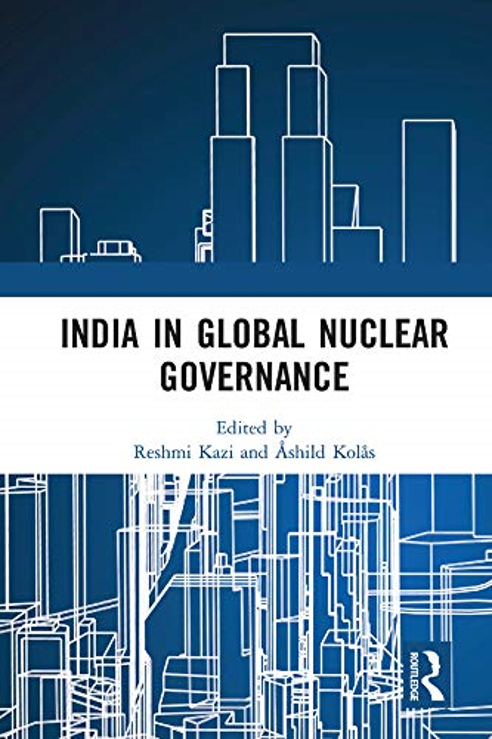
Reshmi Kazi and Ashild Kolas
In the aftermath of the 9/11 attacks, focus of the international community has shifted from nuclear nonproliferation regime to nuclear safety and nuclear security. Active participation by large numbers of countries in the Nuclear Security Summits (NSS) demonstrates the significance of nuclear security in the contemporary world.
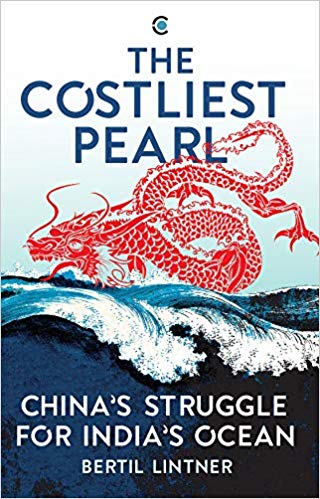
Bertil Lintner
China’s increasing economic and military clout now has a third dimension, its desire to engage with other countries for building infrastructure development and connectivity projects. Beijing’s ‘String of Pearls’ is one such umbrella project aimed at developing ports all across the Indian Ocean nations for trade facilitation and maintaining a presence in the region.
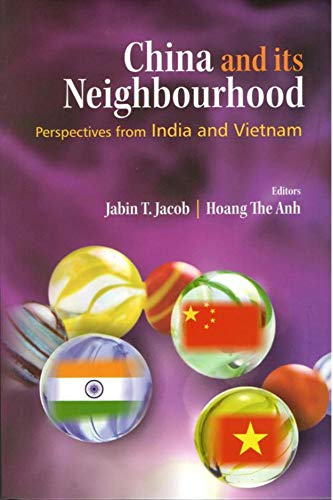
Jabin T. Jacob
The rise of China, its rapid economic transformation and military modernization, coupled with an aggressive and assertive position in its neighbourhood especially in the South China Sea in recent years, have caused a major concern in the region and beyond. After the 18th National CPC Congress, China under President Xi Jinping is seen to be strategically adjusting its policies towards its neighbours which in turn are engaged in working out their own relationship with China.
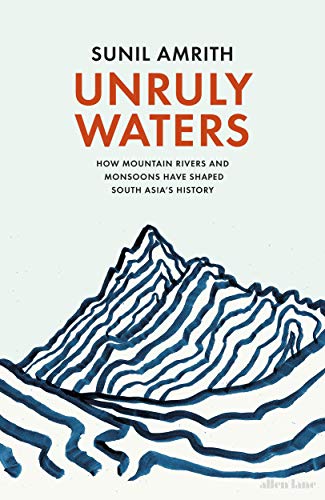
Sunil Amrith
The path to the creation of civilization has presented humans with a variety of challenges. None has been more enduring than nature itself. A battle with the elements has featured through the history of the evolution of human beings. The idea of the conquest of nature, though not entirely novel, has been pushed forward rapaciously in more recent times.
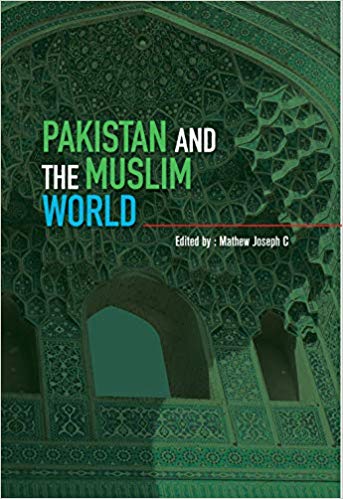
Mathew Joseph C
This book is a much delayed compilation of papers presented at a seminar conducted by the Centre for Pakistan Studies, Academy of International Studies, Jamia Millia Islamia, New Delhi, in March, 2012. Seven years in the making, perhaps the Editor’s ennui in goading the authors to submit papers in time reflects in errors, spelling ‘grateful’ as ‘greatful’ in acknowledgements, which stare glaringly at the reader in the very first page!
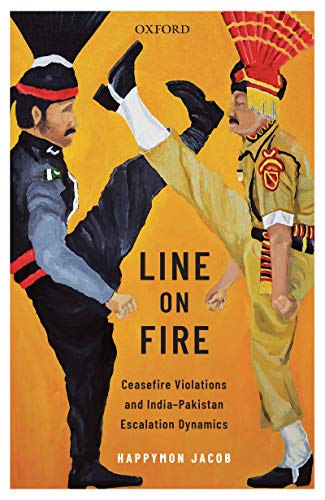
Happymon Jacob
Happymon Jacob is a rising-star, academic and journalist, a columnist with The Hindu and anchor of a web series on strategic affairs at The Wire, besides teaching at a leading international relations faculty at the Jawaharlal Nehru University. His book justifies the preceding sentence. He has taken pains in using escalation theory to interpret the data gathered on ceasefire violations since 2003 to reveal that India and the surrounding regions are sitting on a seemingly dormant, if not active, volcano.
Greta Rana
2018
Greta Rana’s Hostage is both a political and personal story of displacement and violence that puts the reader in the thick of a migrant’s turbulent and unpredictable life. Unlike an academic study that structurally locates migration within specific national projects, Rana’s book, based on true stories of Nepali migrants, offers a critical humane perspective from the other side.
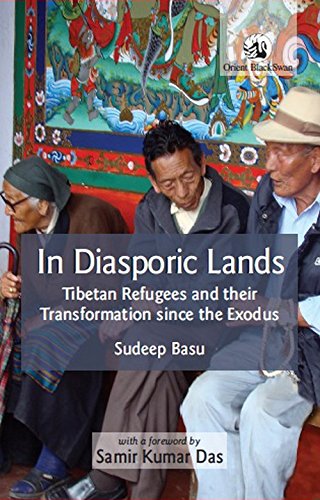
Sudeep Basu
Since the middle of the 20th century, one of the definitive figures of political life has been the refugee. Whether we look at writings about minorities, the stateless and unwanted people, or we look to large-scale violent dislocations of populations during the Partition of India, or to the large-scale displacement of Palestinians with the establishment of Israel, the refugee is a figure that marks the modern world.
Sara Rizvi Jafree
Researching and comprehending…
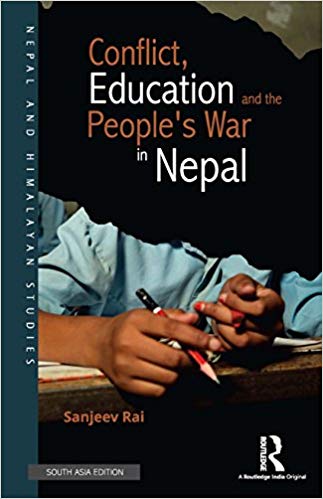
Sanjeev Rai
Conflict affects every aspect of human life. In South Asia, the most common lenses through which we understand conflict are ethnicity, religion, caste, gender and so on. It is rather surprising that in a region where conflict remains a dominant part of the socio-political discourse, there has been little attention paid to other dimensions in understanding conflicts.
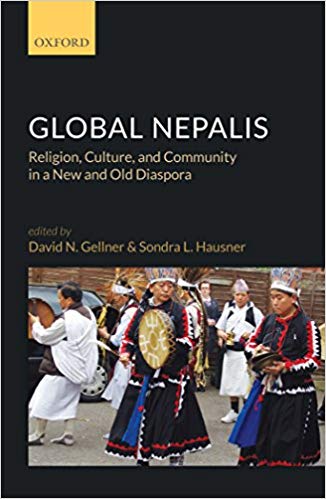
David N. Gellner and Sondra L. Hausner
The term ‘diaspora’ is generally understood as a people belonging to one ethnic group originating from a place, but dispersed geographically. Though scattered, the diaspora groups usually tend to maintain relations with their place of origin and also with the other dispersed groups. Estimatedly, about 10 percent of human population live in diasporic situations (about 700 to 800 million).
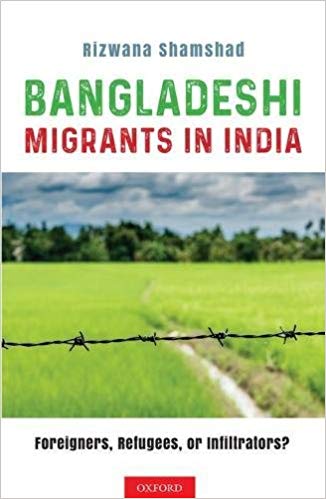
Rizwana Shamshad
Rizwana Shamshad’s Bangladeshi Migrants In India: Foreigners, Refugees, or Infiltrators? is a highly relevant and context-sensitive study of the ‘Indian discourse’, a collection of many discourses on one of the most politicized migrant communities in the subcontinent.
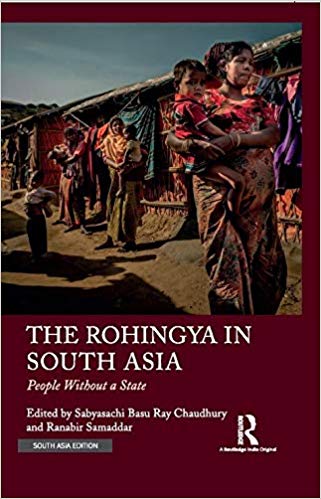
Sabyasachi Basu Ray Chaudhury & Ranabir Samaddar
Statelessness is a situation when one has no country to call once’s own. It is dehumanizing to be denied the rights of citizens granted by the state. A stateless person faces difficulty in accessing education, health, livelihood necessary for holistic development of a human being. Every country has laws for granting citizenship. Lack of clarity in written laws and anomalies in its application might lead to statelessness.
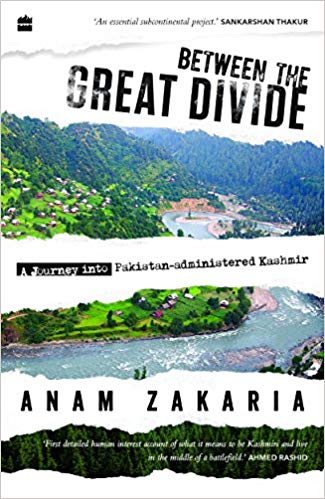
Anam Zakaria
Anam Zakaria’s book brings together ten essays in three parts: Conflict, State Policies and Beyond the Cease-fire. The work is an ethnography of a significant part of Jammu and Kashmir now administered by Pakistan and mostly known as ‘Azad Kashmir’ by the masses and called PoK (Pakistan occupied Kashmir) by the Indian side. Today Jammu and Kashmir’s 65 per cent of the territory is with India and the remainder with Pakistan.
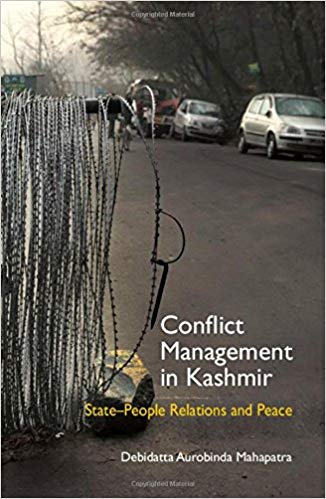
Debidatta Aurobinda Mahapatra
Debidatta Aurobinda Mahapatra makes an enquiry into how vertical aspects of the Kashmir conflict could be contained to nurture a constituency of peace in Kashmir. He utilizes the protracted social conflict framework in understanding the Kashmir conflict and makes a point that New Delhi needs to nurture a constituency of gainers for transcending the stalemate.
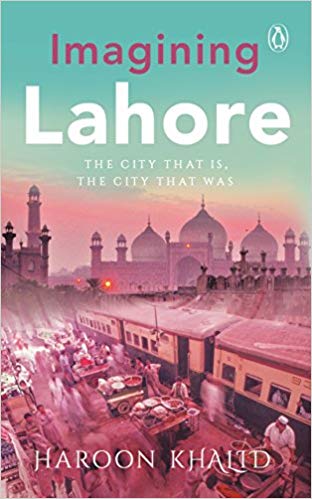
Haroon Khalid
From a distance discontinuities rule North Indian history: Hindu Kingdoms and rulers are replaced by Islamic Turko Afghan Sultans, who in turn give way to the Mughals from Central Asia to be replaced by the Marathas, Sikhs and finally the British. A colonial Raj finally made way for India and Pakistan. These periods appear as distinct and self-contained substratum of the history of the past millennium.
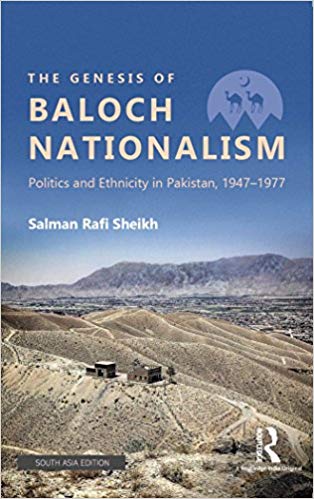
Salman Rafi Sheikh
Salman Rafi’s book is an essential piece of work for those who are interested in understanding the history of Baloch nationalism in Pakistan. Although Rafi analyses the future contours of the movement in the last chapter, major portions of the book document the evolution of the politico-ethnic struggle in Balochistan in post-Partition Pakistan. This work forces the readers to think critically about multifarious complexities attached to the Baloch issue, the most important of which is understanding the genesis of the conflict.