
International Relations
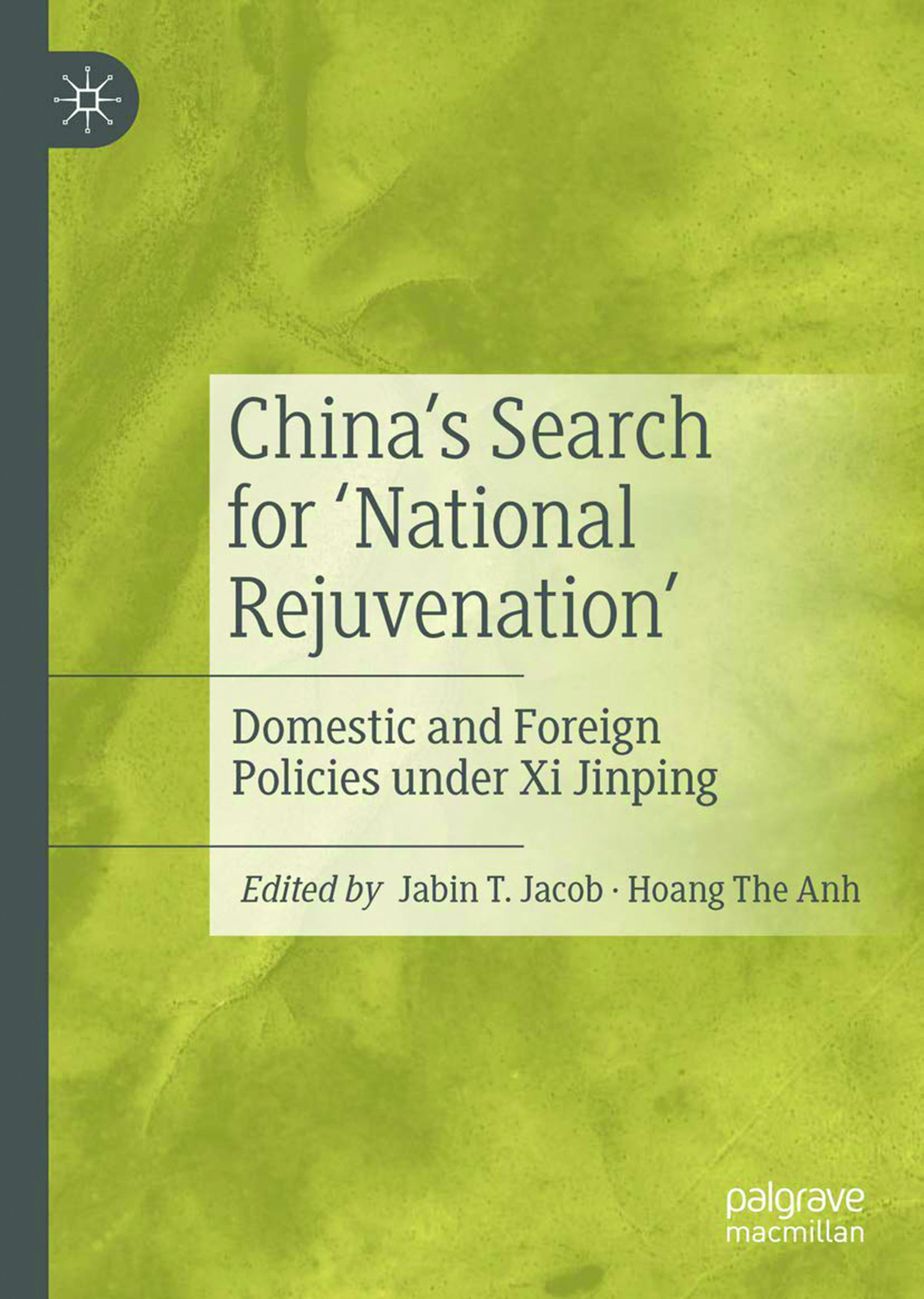
Jabin T. Jacob and Hoang The Anh
The quest for ‘National Rejuvenation’ has become the buzz word since Xi Jinping has come to power. Scholars and students of Chinese studies have been trying to understand what this actually entails. There is also a need to understand what ‘National Rejuvenation’ includes…
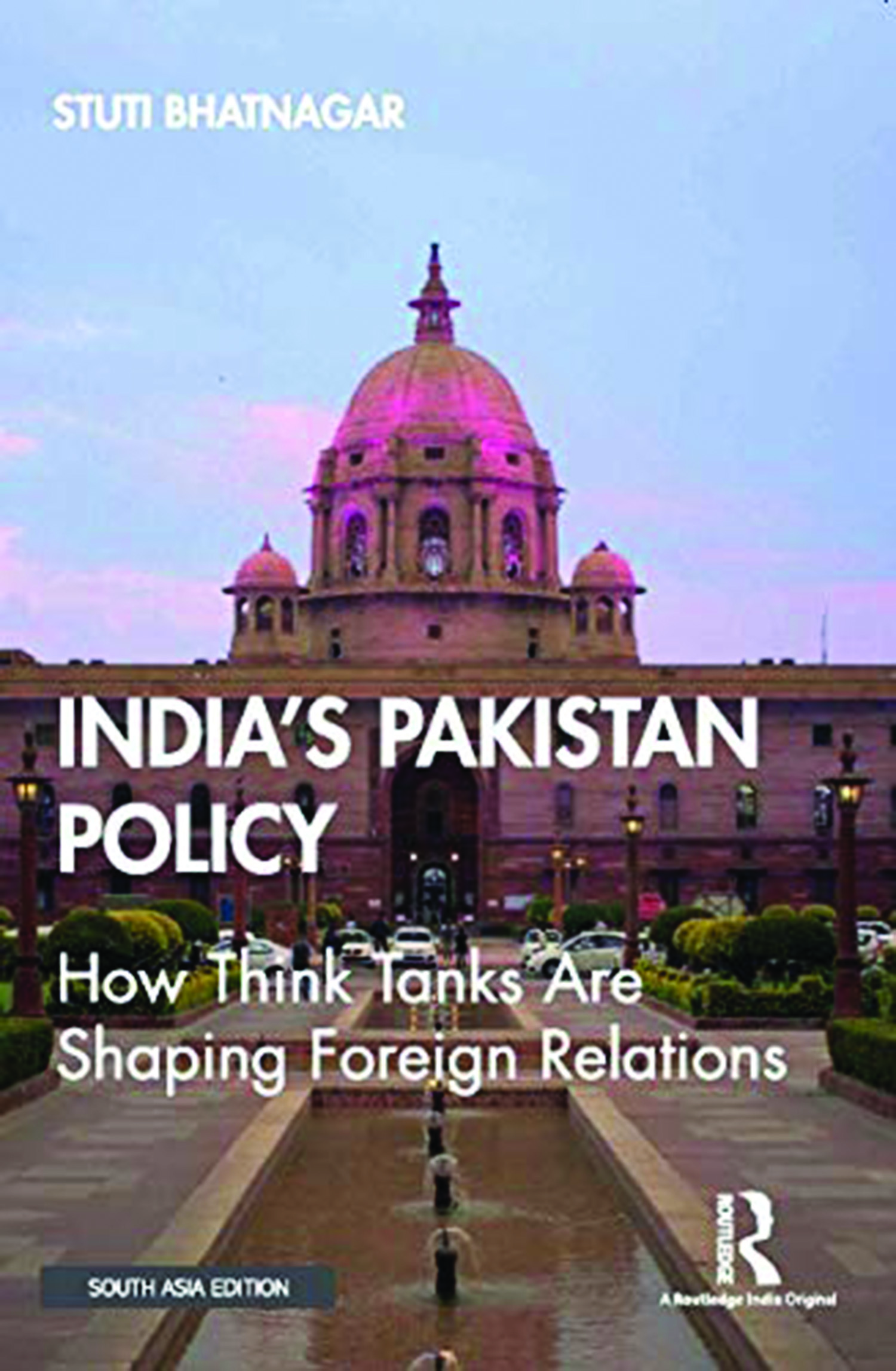
Stuti Bhatnagar
India’s External Affairs Minister, Dr. S Jaishankar speaking at the Ramnath Goenka Memorial Lecture in November 2019 noted that the world is not only different but is undergoing a structural transaformation.[1]The statement underlines the fact that the challenges India faces to its growth…
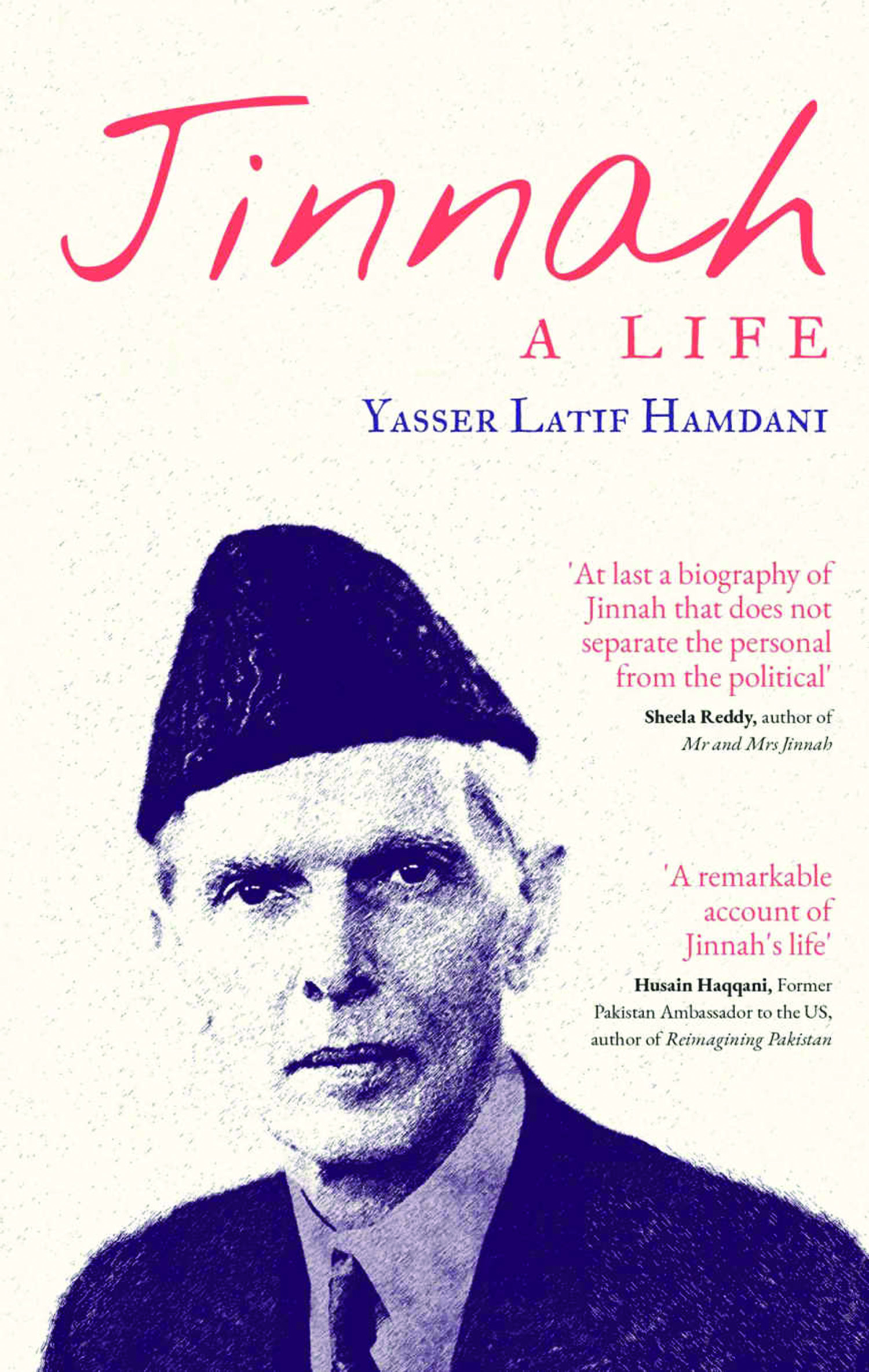
Yasser Latif Hamdani
2020
Partly, Jinnah’s career marches quite neatly with the themes of the twentieth century’s international history. The ‘minorities question’ that bedevilled the politics of inter-war Europe thoroughly drained the League of Nations almost entirely of its authority…
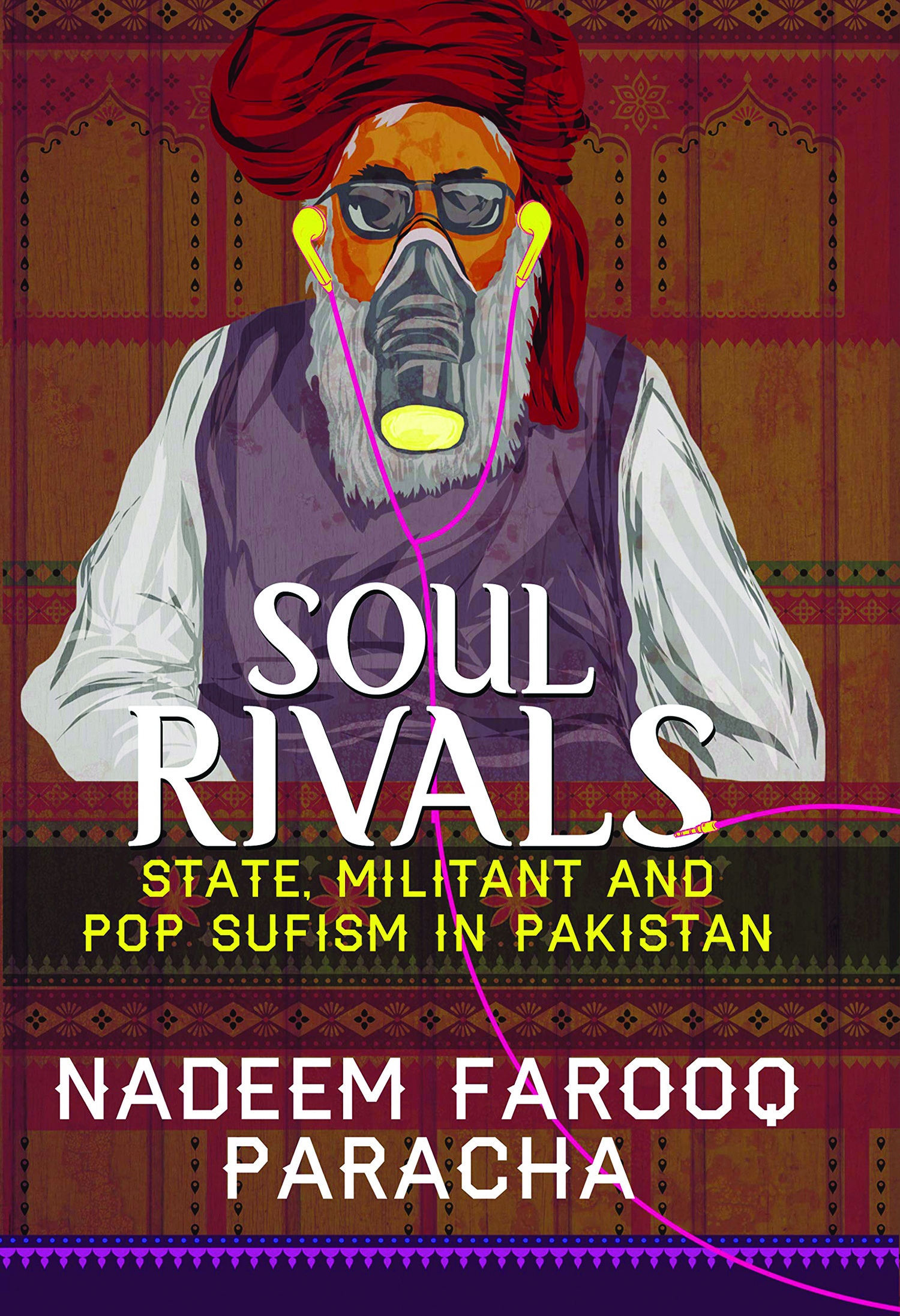
Nadeem Farooq Paracha
For decades now, Pakistan’s descent into extremism has been unsparing and steep. Hence, there is abundant literature centred around the country’s violence and security landscape. In this context, any work that deviates from this oft-treaded pattern comes across as a breath of fresh air…
Moni Mohsin
Just as governments around the world are scrutinizing the political power of social media, comes a new novel by the London-based Pakistani author Moni Mohsin whose plot revolves around that very subject. The Impeccable Integrity of Ruby R. charts the journey of an ambitious…
Sreeram Chaulia
Chaulia argues that Trump’s upending of liberal internationalism has created opportunities for these powers to emerge as regional powers and to carve out a space for themselves in the global order with the right leadership. Trump has created a vacuum in international politics through his isolationism…
Rajen Harshé
It is in the realm of public imagination that one can hope to find deep-seated beliefs and behavioural patterns of societies and cultures. Edgar Rice Burrough’s eponymous character, Tarzan of the Apes, for instance becomes in the hands of one of the most distinguished American literary-cultural critics of the 20th century…
Manoranjan Mohanty
There is a veritable cottage industry that has grown up around books about China’s amazing economic transformation over the last four decades. An even more popular sub-genre is increasingly evident: the story of how China’s rise is poised.
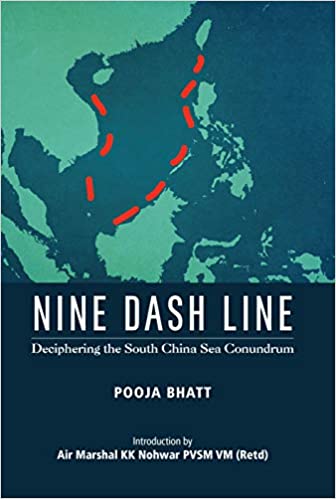
Pooja Bhatt. With Introduction by Air Marshall KK Nohwar PVSM VM (Retd.)
Regardless of the spread of the Covid-19 pandemic, for much of this year, the choppy waters of the South China Sea have witnessed an intensification of geopolitical contestation. Beijing has sought to project force through military drills and by entering.
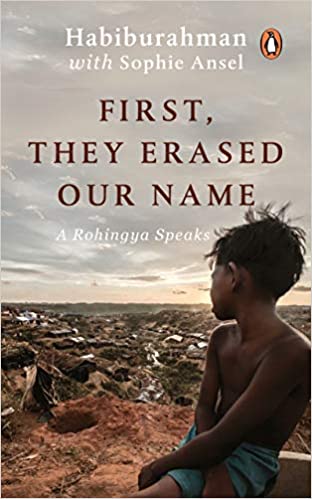
Habiburahman with Sophie Ansel
The blurb of the book claims: ‘Here, for the first time, a Rohingya speaks up to expose the truth behind this global humanitarian crisis. Through the eyes of a child, we learn about the historic persecution of the Rohingya people and witness the violence Habiburahman.
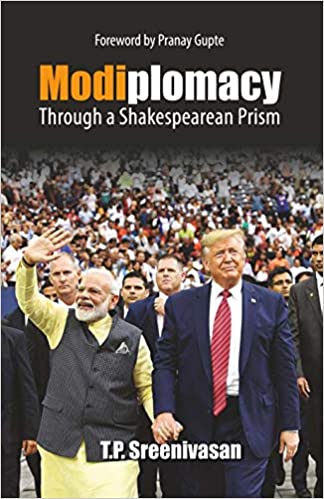
T.P. Sreenivasan
The book’s title intrigues. The author early on in the book explains it thus, ‘I began to see the pattern of a Shakespearean play, consisting of early successes, some complications, a climax, the emergence of a major event or character which changes.
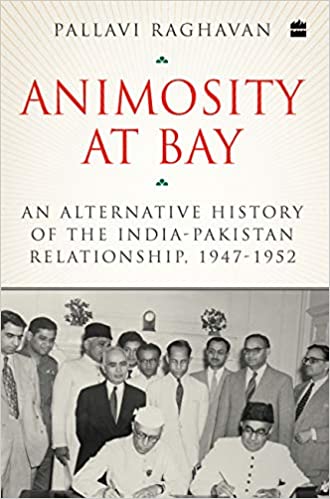
Pallavi Raghavan
Pallavi Raghavan has written a remarkable book on the early years of India-Pakistan relations. This is history as it should be written—granular, rigorous, following the evidence, and not afraid to ask big questions. Based on detailed archival work, she presents a fresh view of how India.
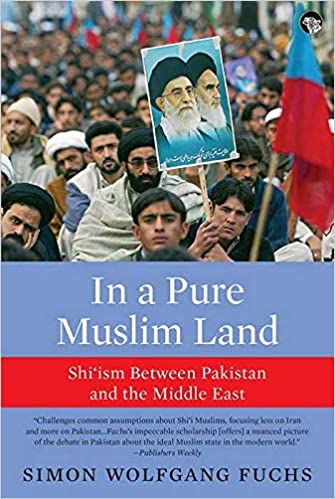
Simon Wolfgang Fuchs
The South Asian subcontinent counts a significant Shi’i population, with Pakistan having the word’s second largest number of Shi’is. Yet it has so far received limited scholarly attention. This book, adapted from the author’s PhD dissertation.
Suchethana Swaroop, translated from the original Kannada by N.S. Raghavan
A very intriguing title with the promise of opening up grand vistas of history. Let us see how far it succeeds.
The author starts out with the premise that the great epics, even in their oral form, have played a decisive role in the making of the history.
Samir Saran and Akhil Deo
Over the past few years, there’s been a growing debate about the implications of China’s rise for the future of the liberal international order. Is China a revisionist power that is seeking to craft a Sino-centric world order? Is it a fragile superpower whose actions.
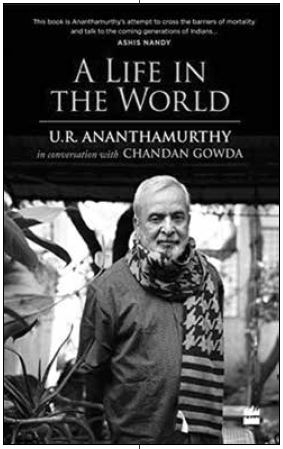
U.R. Ananthamurthy
2019
After Tagore and Premchand, if one can think of a literary figure who has had a national reach in India, it is UR Ananthamurthy (1932-2014). URA was no doubt the most influential Kannada writer of his times. But he was, equally, an inspiring teacher, creative administrator.
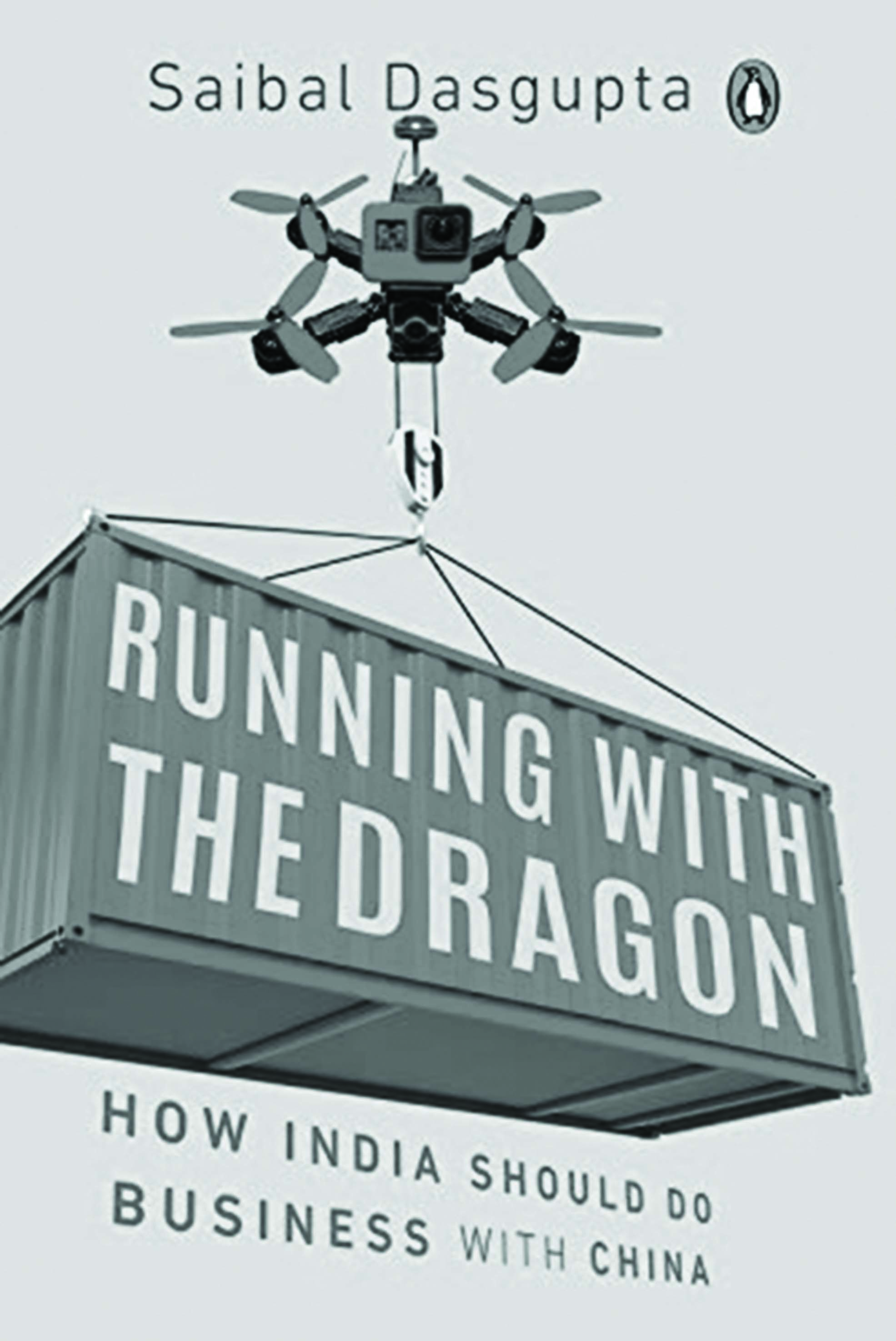
Saibal Dasgupta
India and China are two of the four ancient world civilizations. Historically, Indian cultural and trade linkages have significantly influenced Chinese history. Since Indian Independence and Chinese ‘liberation’ in the middle of the twentieth century, both nations have failed to build on this legacy.
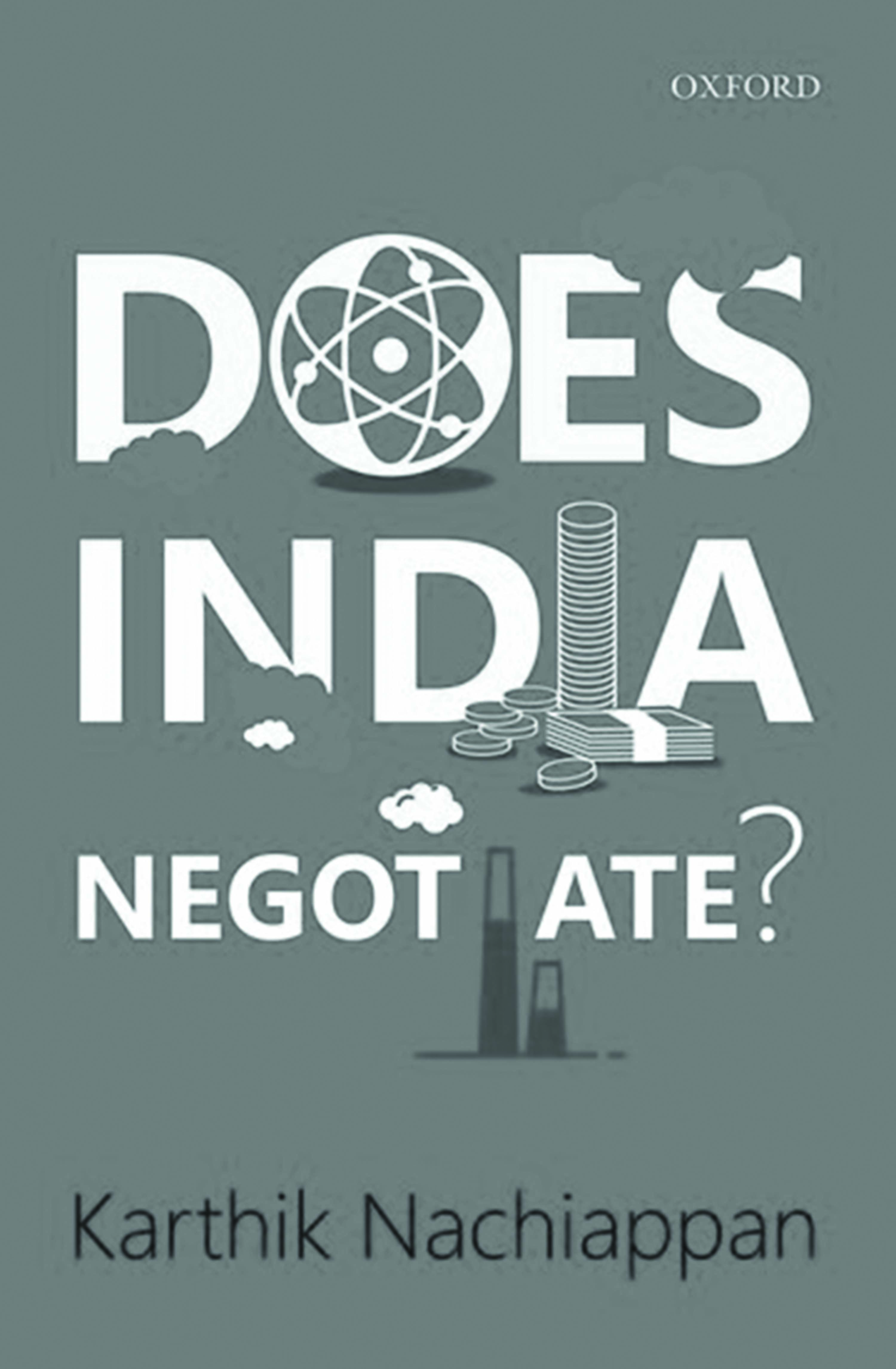
Karthik Nachiappan
Does India Negotiate? Most in India and especially those with interest in Indian foreign policy will question the validity of the question and wonder why the author is pushing at an open door. The book is however not so much directed at an Indian as it is at a western and affiliated.
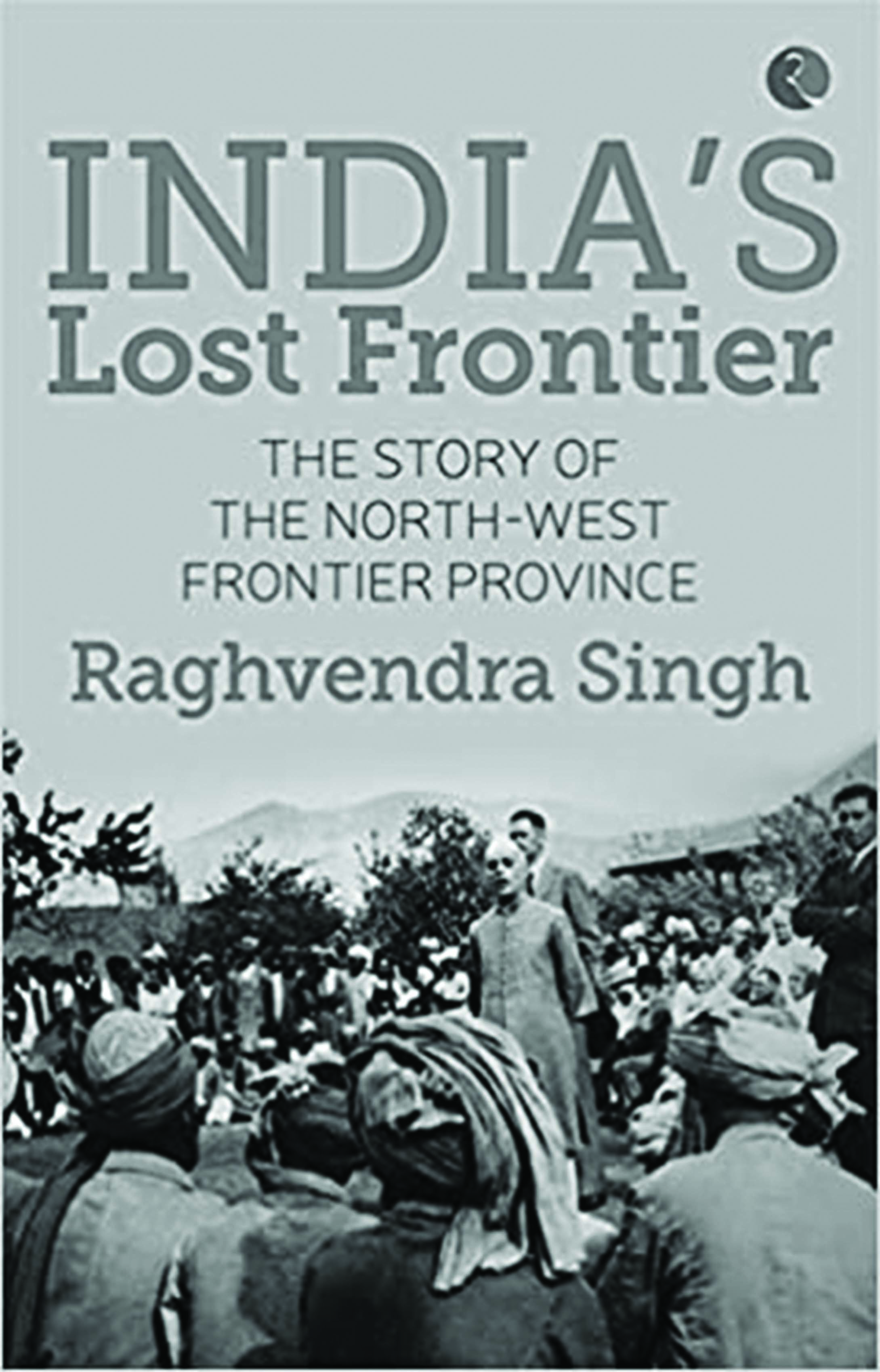
Raghvendra Singh
At the height of their power, the Marathas had extended their sway right up to Attock, the proverbial gateway to Hindustan located on the east bank of the river Indus. They had, however, no intention of crossing the Indus because they believed that the river was the historical, cultural and even.
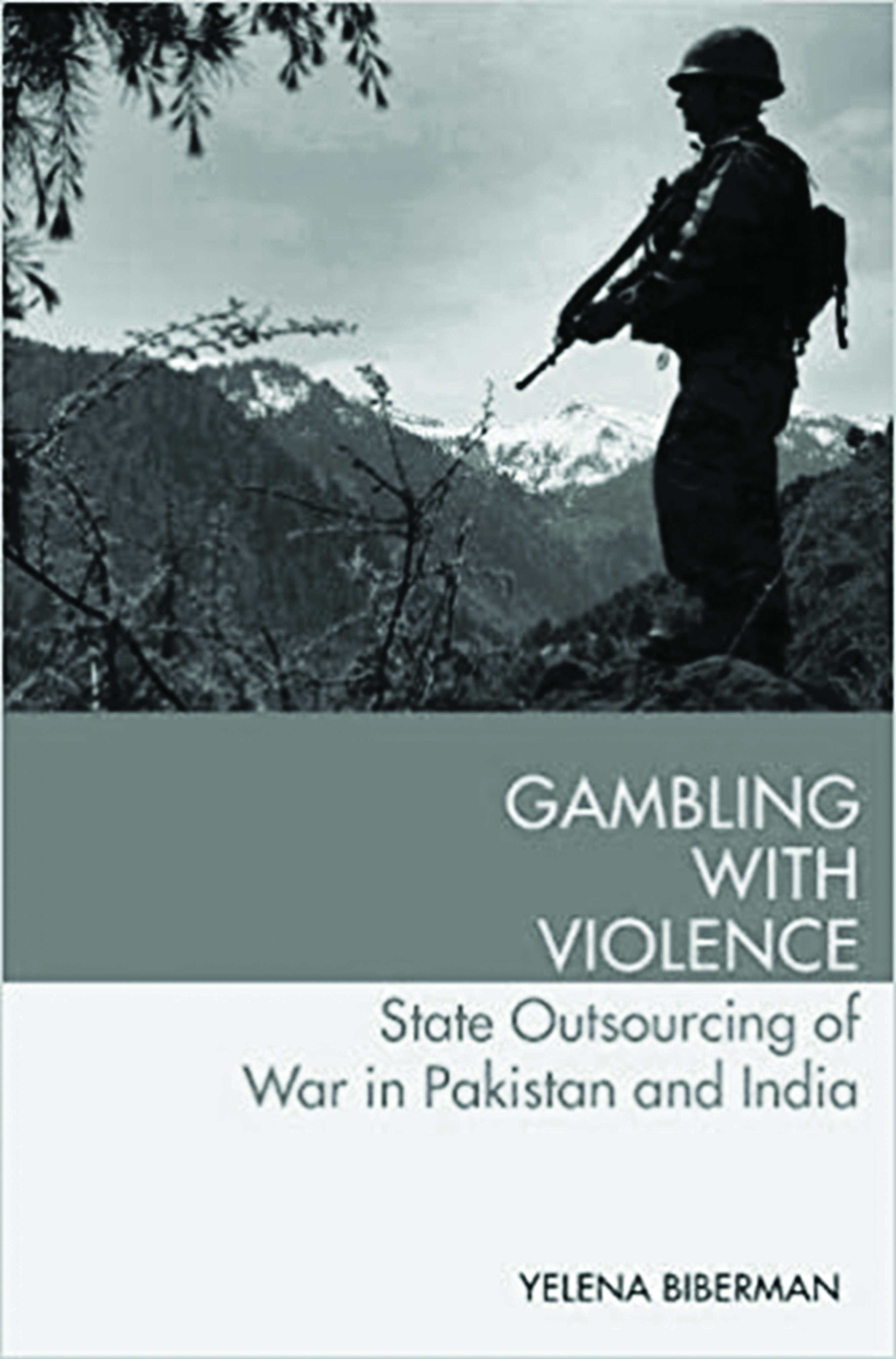
Yelena Biberman
The book is an outcome of the dissertation of the author Yelena Biberman, at Brown University, under the tutelage of Professor Ashutosh Varshney. Varshney is also series editor of the Modern South Asia series of which the book is the fifth product.