
History
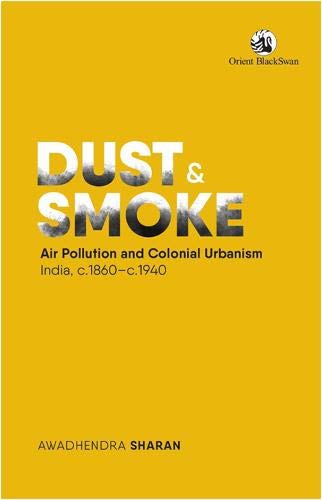
Awadhendra Sharan
Urbanization is considered to be a significant moment in human history. Mumford argues that urbanization took an unprecedented form by throwing off natural limits of the environment with industrialization. Thus, while urbanization in the past was a historical moment for detaching labour from land and nature, urbanization in the present is about bringing nature back to tackle the question of livability of the city. This has made contemporary urban discourses witness the emergence of debates such as green urbanism, eco-city, sustainable city, etc…
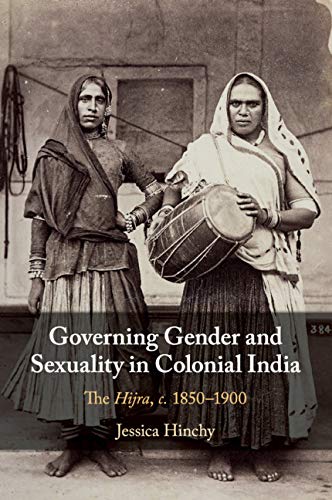
Jessica Hinchy
In writing Governing Gender and Sexuality in Colonial India, Jessica Hinchy has given the world of gender and sexuality studies a much required in-depth history of the Hijra community. Based on years of her archival research published as independent papers in different journals, this book is also the story of encounters with violence, resistance, and resilience. Hidden behind the detailed academic analysis is the tale of survival of a community whose non-normativity and visibility made it a target of colonial control, surveillance, discrimination and even extermination…
Ashutosh Bhardwaj
The book The Death Script: Dreams and Delusions in Naxal Country is primarily a document discussing death in the aftermath of the Maoist insurgency of Bastar. The author Ashutosh Bhardwaj is a journalist who lived in the forests of Dandakaranya. His narration is a departure from journalistic writing as he uses creative ways to tell the stories of the Red Corridor of India, in which he is a participant rather than a mere observer. The book is divided into seven chapters. Each chapter is categorized in a creative way, and as a whole…
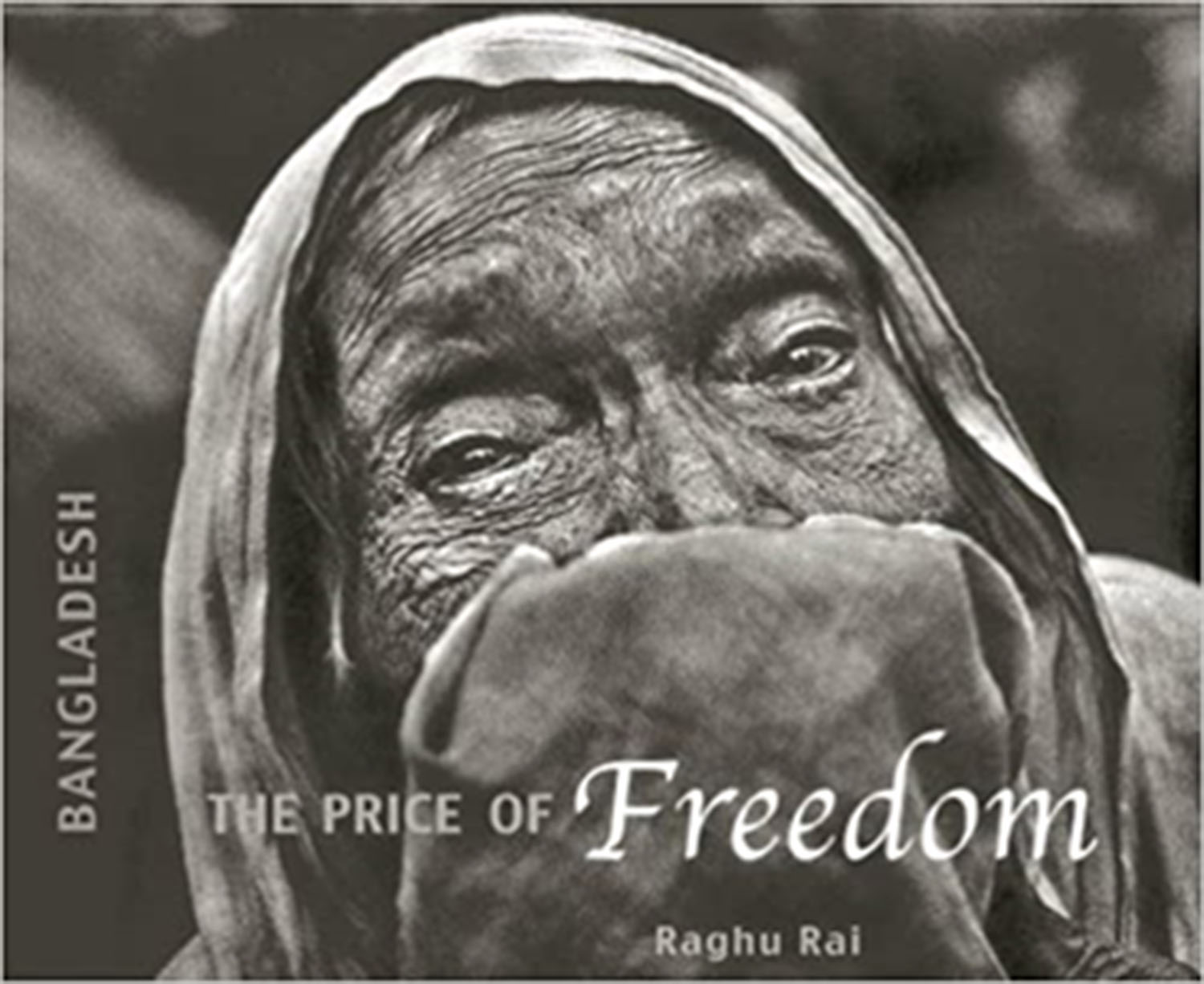
Sohail Akbar
There is a famous photograph by photographer Roger Fenton of a barren field, on straining one’s eye you get to notice a few canon balls strewn in the foreground. This one believes is the first war photograph famously known as ‘Valley of Shadow of Death’. The image was made in 1855 when Fenton was sent from London to cover the Crimean War…
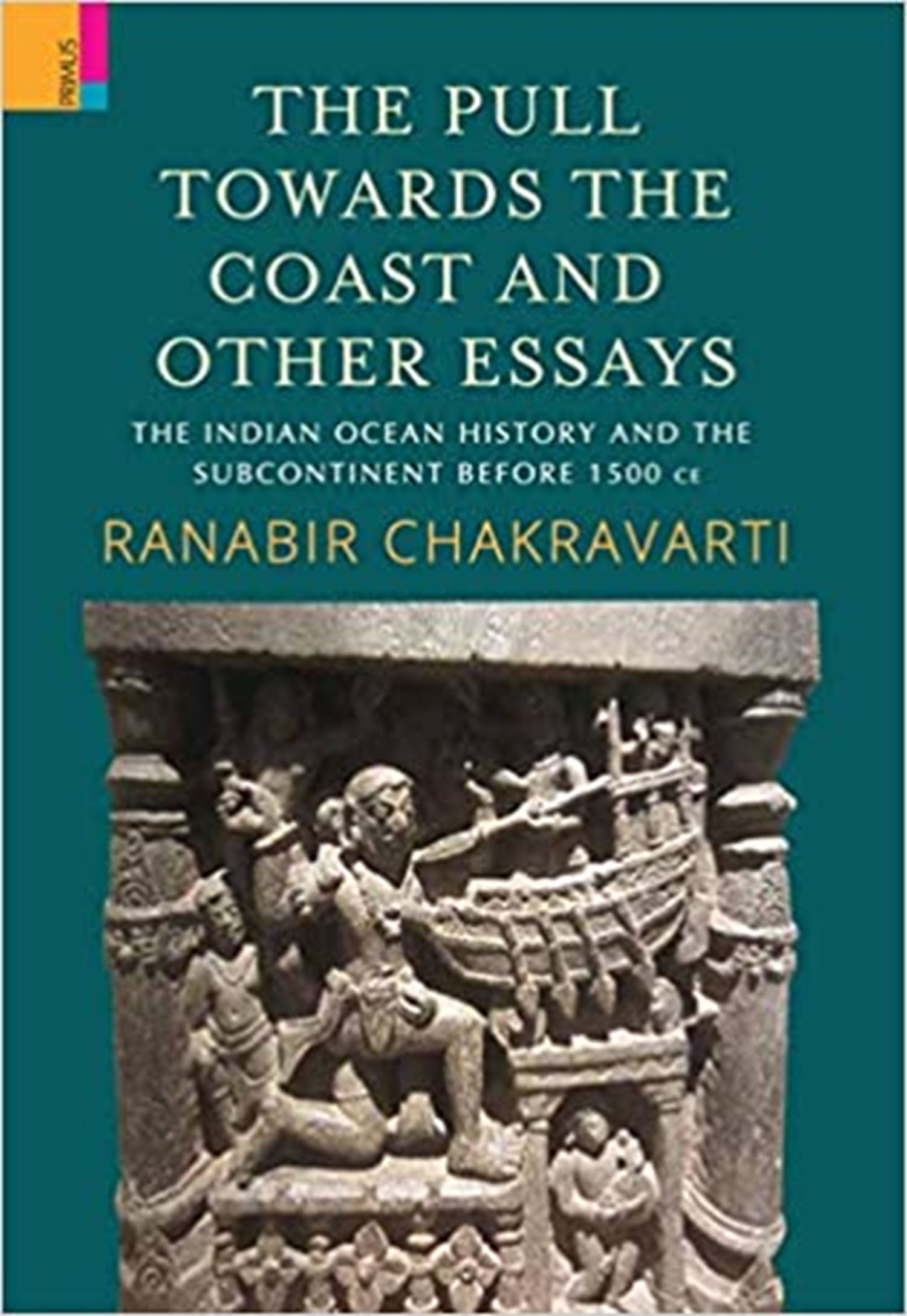
Ranabir Chakravarti
Essays collected in the volume under review underscore the seminal role of Ranabir Chakravarti’s scholarship in the study of the maritime history of Indian littorals in the pre-1500 CE period. His numerous research articles and lectures over the last few decades have brought the relatively neglected pre-1500…
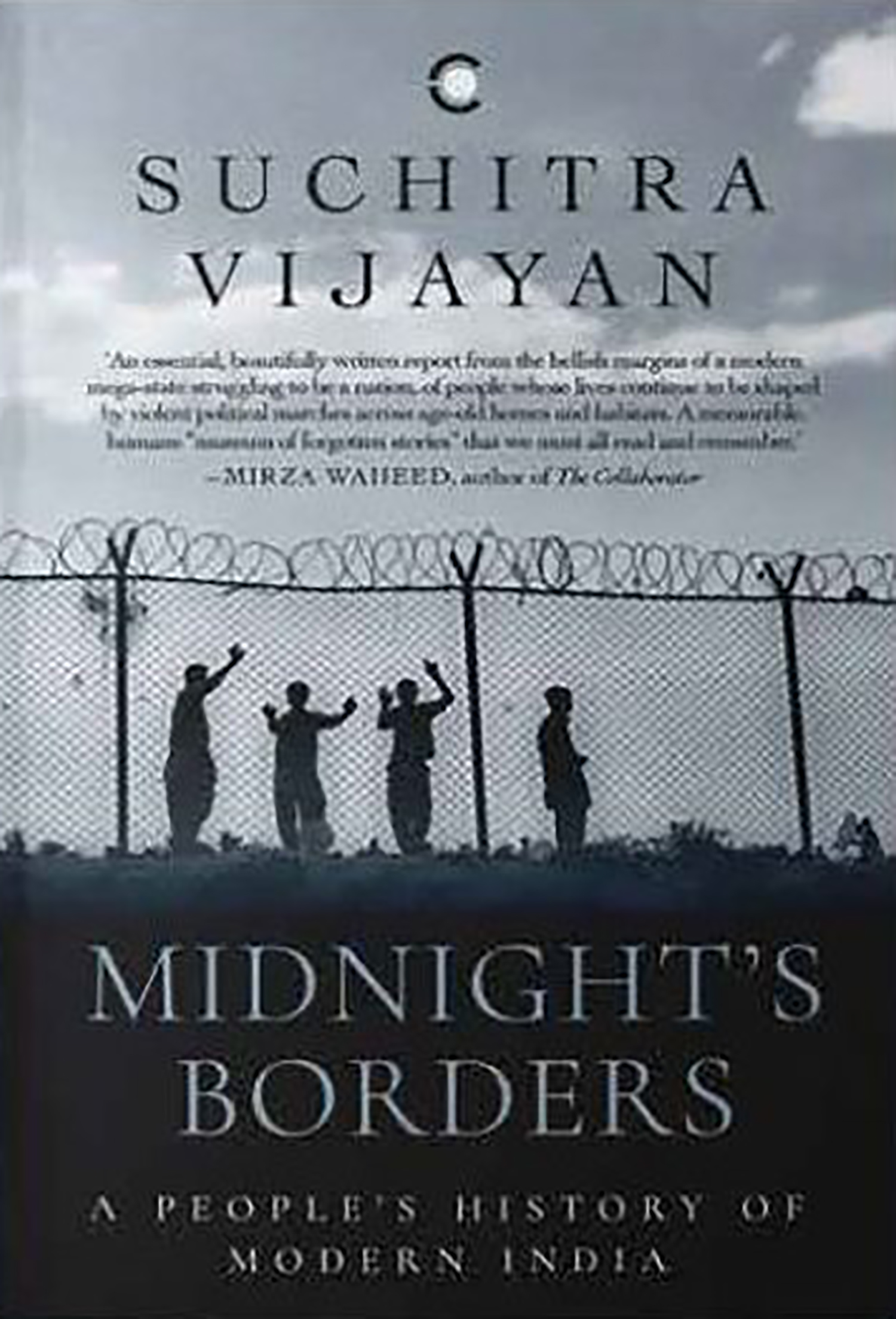
Suchitra Vijayan
Midnights symbolize the beginning of a new day; leaving behind yesterday and stepping into a new tomorrow. In her book, Suchitra Vijayan documents the stories of people she met over seven years while travelling along the borders of India that were chalked out one fine midnight, when the monsoon rains lashed the subcontinent…
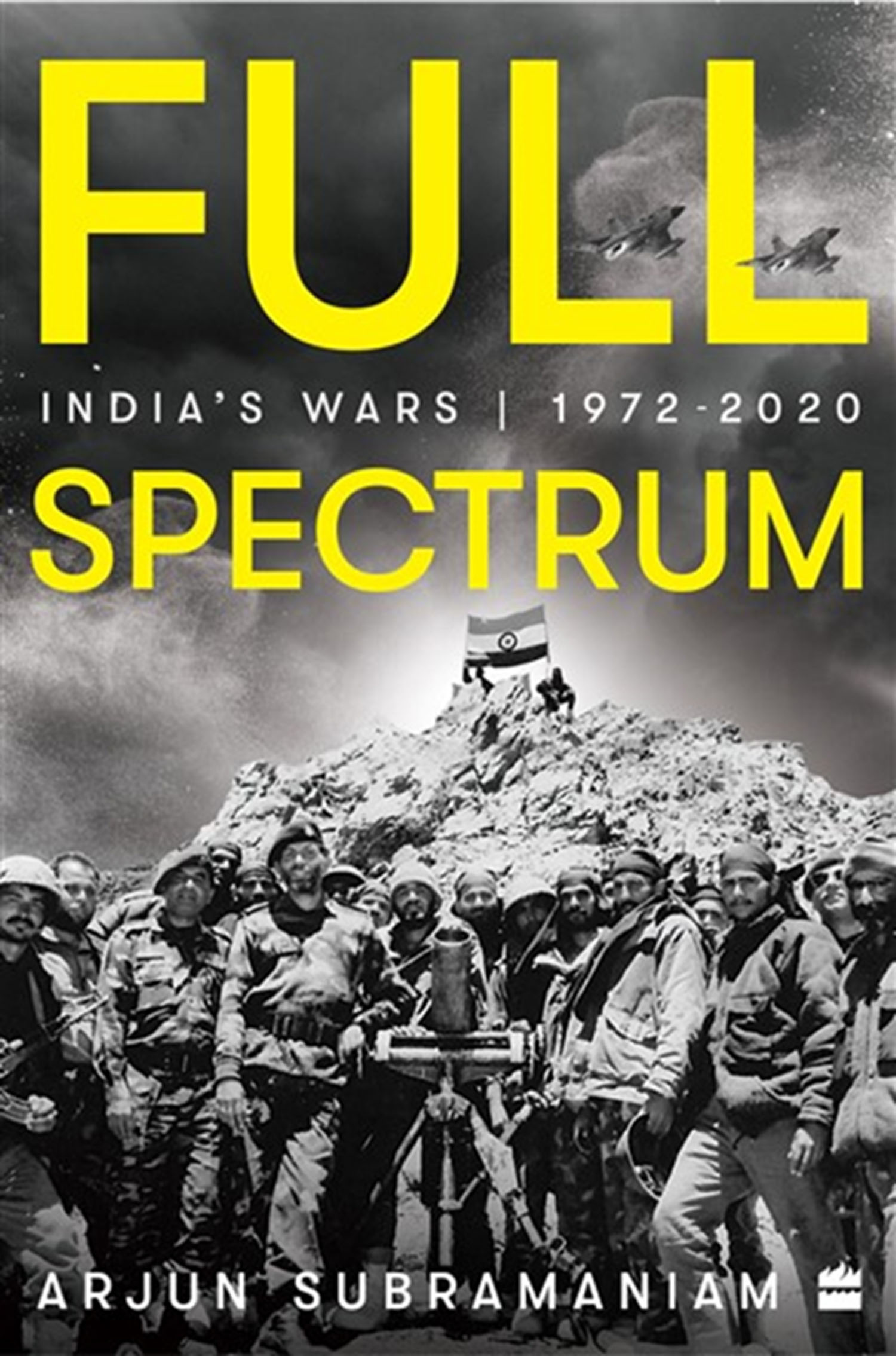
Arjun Subramaniam
With a few honourable exceptions like Srinath Raghavan, Sushant Singh, Ajai Shukla, or Kallol Banerjee’s recent narration of Operation Cactus, chronicles about the military expeditions undertaken by the Indian armed forces are few and far in between. Arjun Subramaniam’s first book India’s Wars: A Military History, 1947-1971 was an attempt to seal this gap…
Ranabir Samaddar
Despite the post-positivist and postmodern epistemic shifts that have blurred the boundary between traditional notions of objectivity and subjectivity, it wouldn’t be erroneous to proclaim that the most plausible historical evaluations have emerged in retrospect. The temporality of our subjectivity plays…
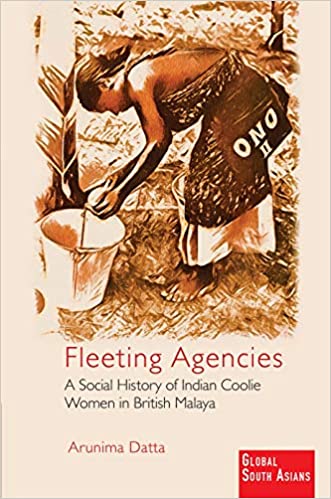
Arunima Datta
This work, an important contribution to the gendered history of colonial Indian labour migration, offers a fresh perspective on coolie women’s everyday experiences and their contribution as producers and reproducers of labour to the plantation economy of Federated Malaya States (FMS) in British Malaya…
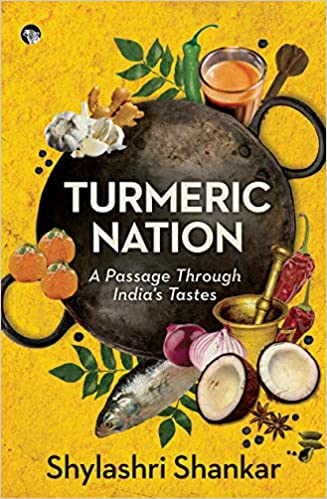
Shylashri Shankar
Any story of India’s culinary culture begins with an enquiry into its ostensible Indianness. The first few fundamental questions often have to do with the origin of staple vegetables and spices such as tomatoes and chillies. That both were introduced into the subcontinent’s basic diet, with the colonial contact and that too only recently…
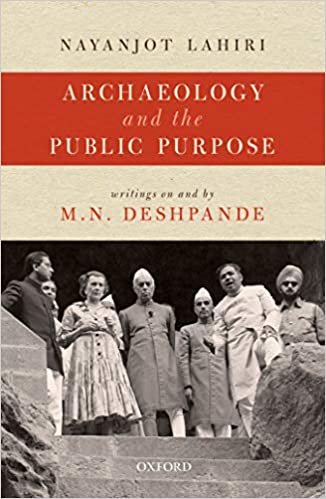
Nayanjot Lahiri
Aprolific writer, Nayanjot Lahiri’s new book is a foray into the post-Independence trajectory of Indian archaeology. The method of enquiry involves tracing the life of MN Deshpande, who served as Director-General of the Archaeological Survey of India (henceforth ASI) from 1972-1978…
Amiya P. Sen
Of all the figures from the celebrated ‘Bengal Renaissance’ still remembered today, Iswarchandra Vidyasagar (26 September 1820-29 July 1891) seems the most unlikely candidate of all to have been at the centre of a political storm in the run up to the 2019 general elections (when a bust of his was broken during a rally)…
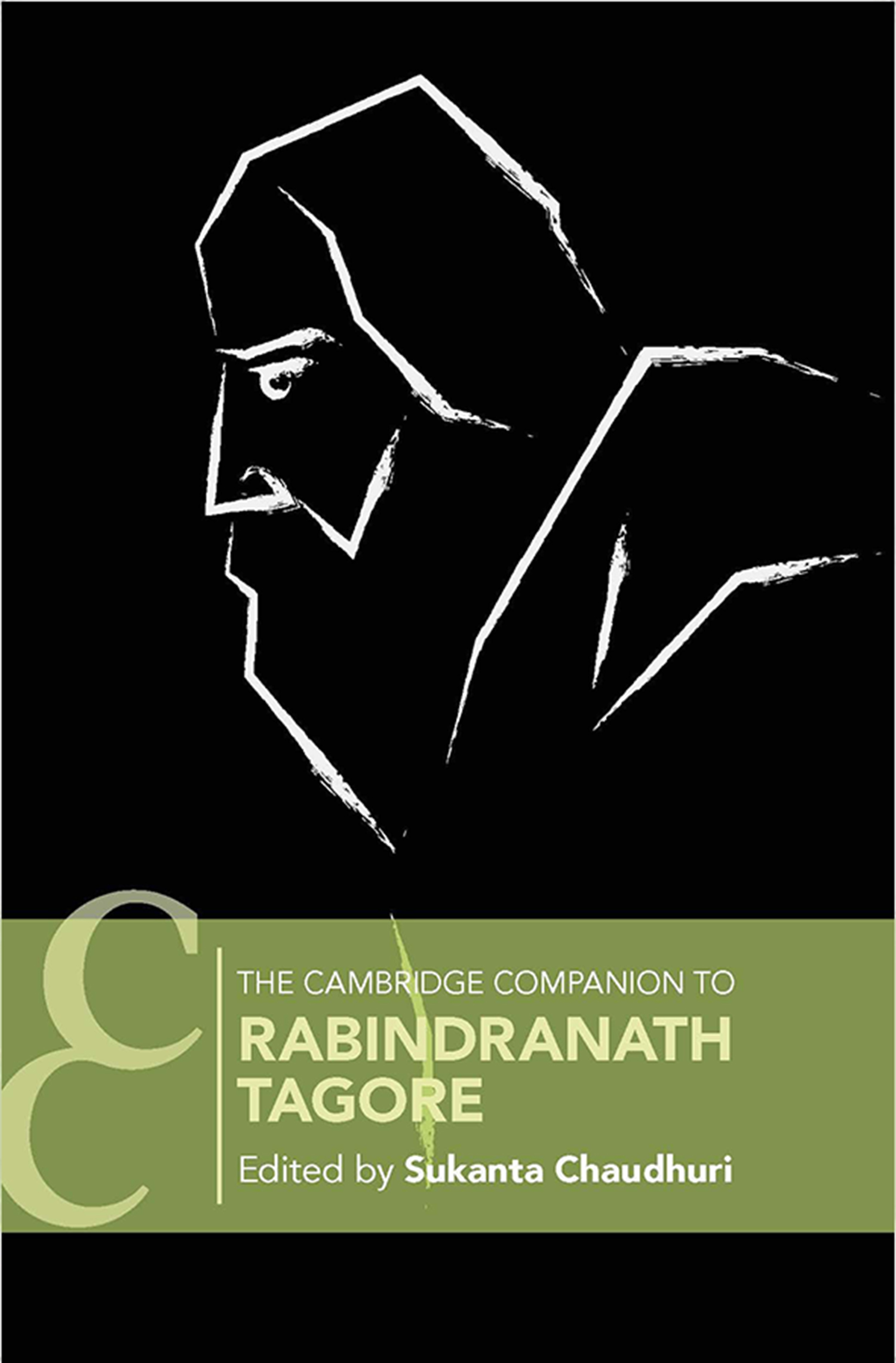
Sukanta Chaudhuri
Ever since the sesquicentennial birth anniversary of Rabindranath Tagore in 2011, there has been a steady increase in scholarly publications on him from various perspectives and even a decade later, the trend is still continuing. Tagore practiced all the major literary genres—poetry, drama, fiction…
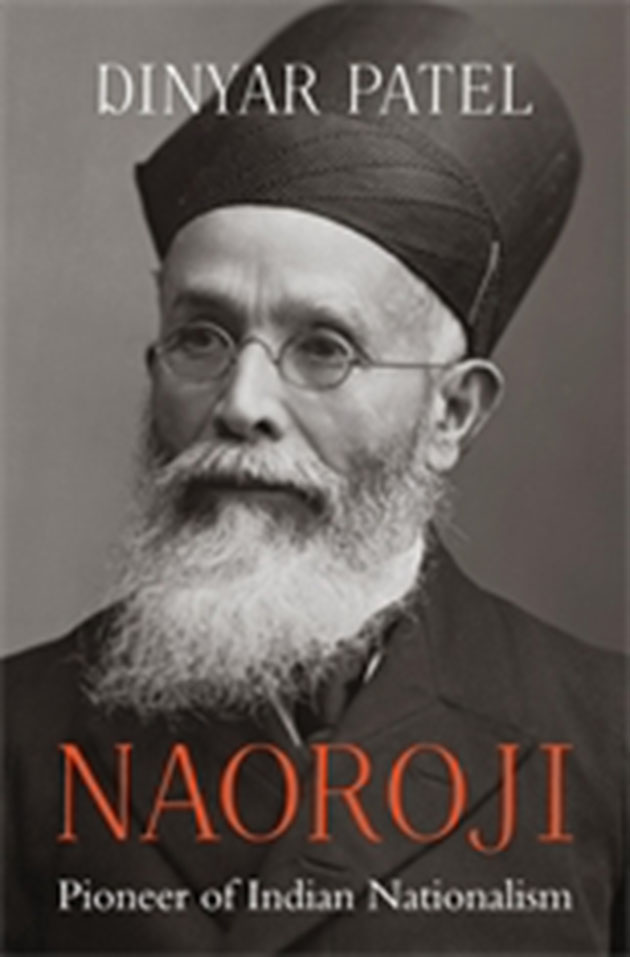
Dinyar Patel
It would not be amiss to say that Dadabhai Naoroji has been languishing for a long time in the lounge of history, waiting to be ushered into the hall of fame. The near absence of Naoroji’s memory from the political landscape of today is a rude reminder of the injustice done…
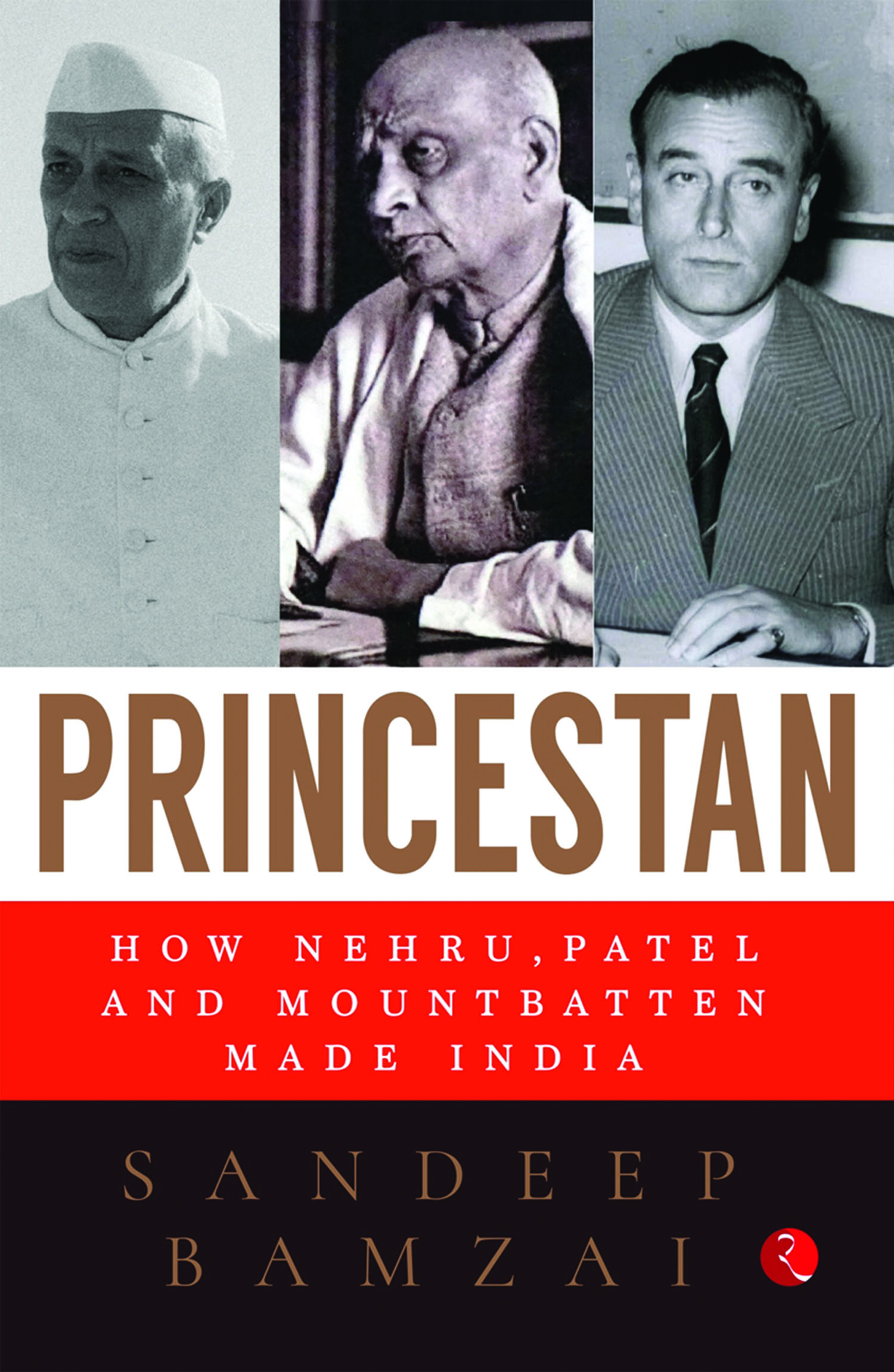
Sandeep Bamzai
This book is a romantic narrative about overcoming the centrifugal forces unleashed by various Indian Princely States during the tumultuous years leading up to and shortly after Independence. Like all romantic narratives, the tone of the book is heroic…
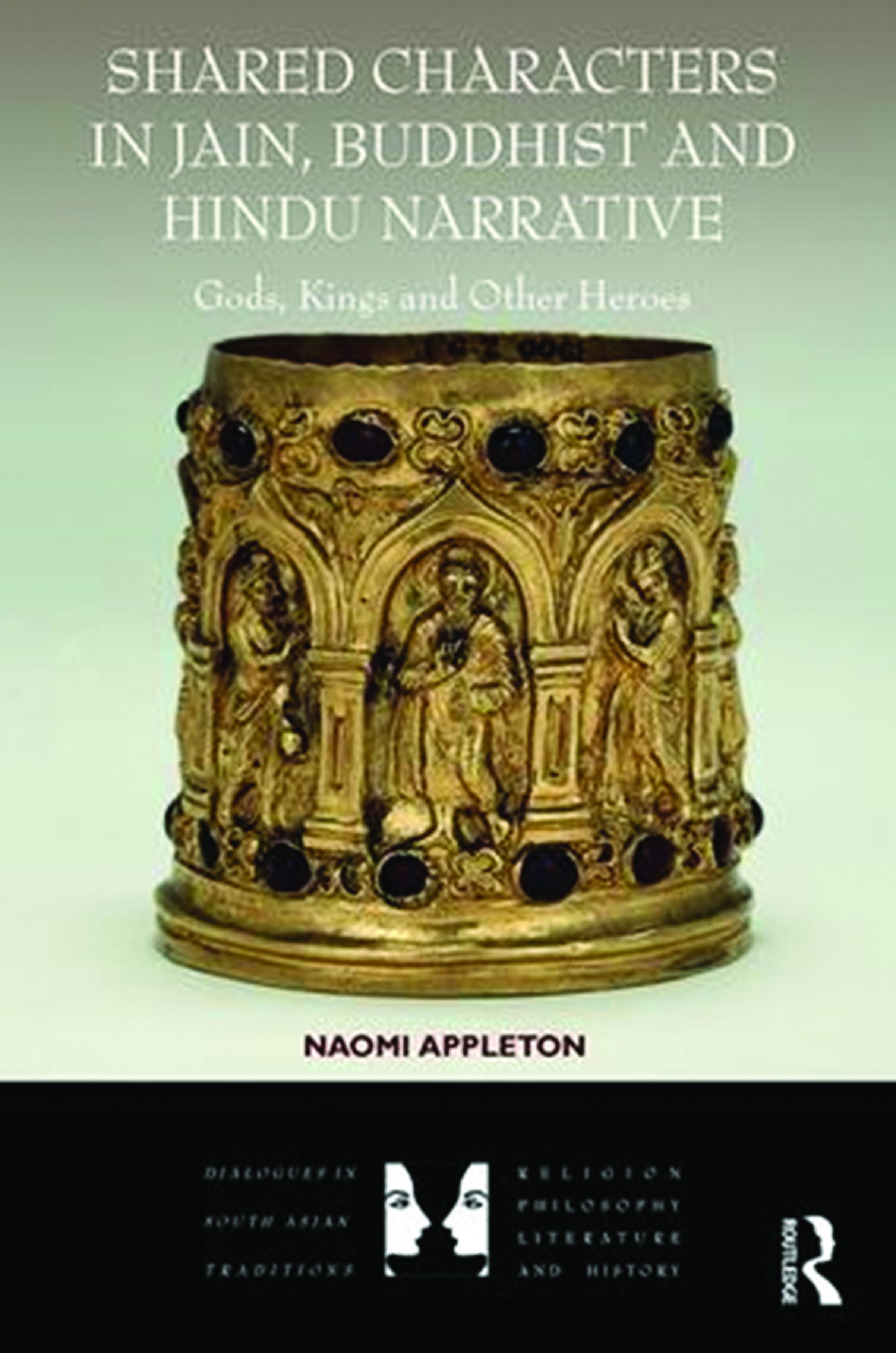
Naomi Appleton
Stretching her observations across some 200 pages, Naomi Appleton has managed, in her book, to fence in a scholarly enclosure into which she has herded not only the three major dharmas of the subcontinent but also some of their most important deities and heroes…
Geetanjali Srikantan
Litigating the past in the manner of the British created a new reality for India. It gave shape to religion and provided the bases for many a confrontation between religions and the religious-minded in this country of hundreds of personalized religions…
Meeta and Rajivlochan
Books such as Making India Great Again: Learning from Our History are meant to have a long life. However, books are also reflective of a particular time and a milieu. Context does have an influence on what is written and when it is written…

Sqn. Ldr. Rana T.S. Chhina, MBE
The United Service Institution (USI) describes itself as the oldest think-tank in Asia. Set up by the British, it opened in Simla in late nineteenth century. Soon after Independence, it moved to New Delhi. Though under considerable pressure from lack of resources in the early years…
Brijen K.Gupta
The volume under review is a reprint of the book with the same name written by Brijen K Gupta. While the Orient BlackSwan in association with Ashoka University has published the reprinted version in 2020, EJ Brill, Leiden, Netherlands, had published the original work in 1966…