
History
Shafey Kidwai
The cover and title of the book promises much by way of an analysis of Sir Syed Ahmad Khan, the founder of the Muhammadan Anglo-Oriental College, which later became the Aligarh Muslim University. The book however falls woefully short. It is difficult to find any substantial and meaningful discussion of the thematic elements mentioned in the subheading of the book: ‘Reason, Religion and Nation’. At various points the author, Shafey Kidwai, states his desire to dismiss the charge of separatism that has often been made against Sir Syed. Sadly, the writing of the book fails to convincingly dismiss the charge.
Tim I. Gurung
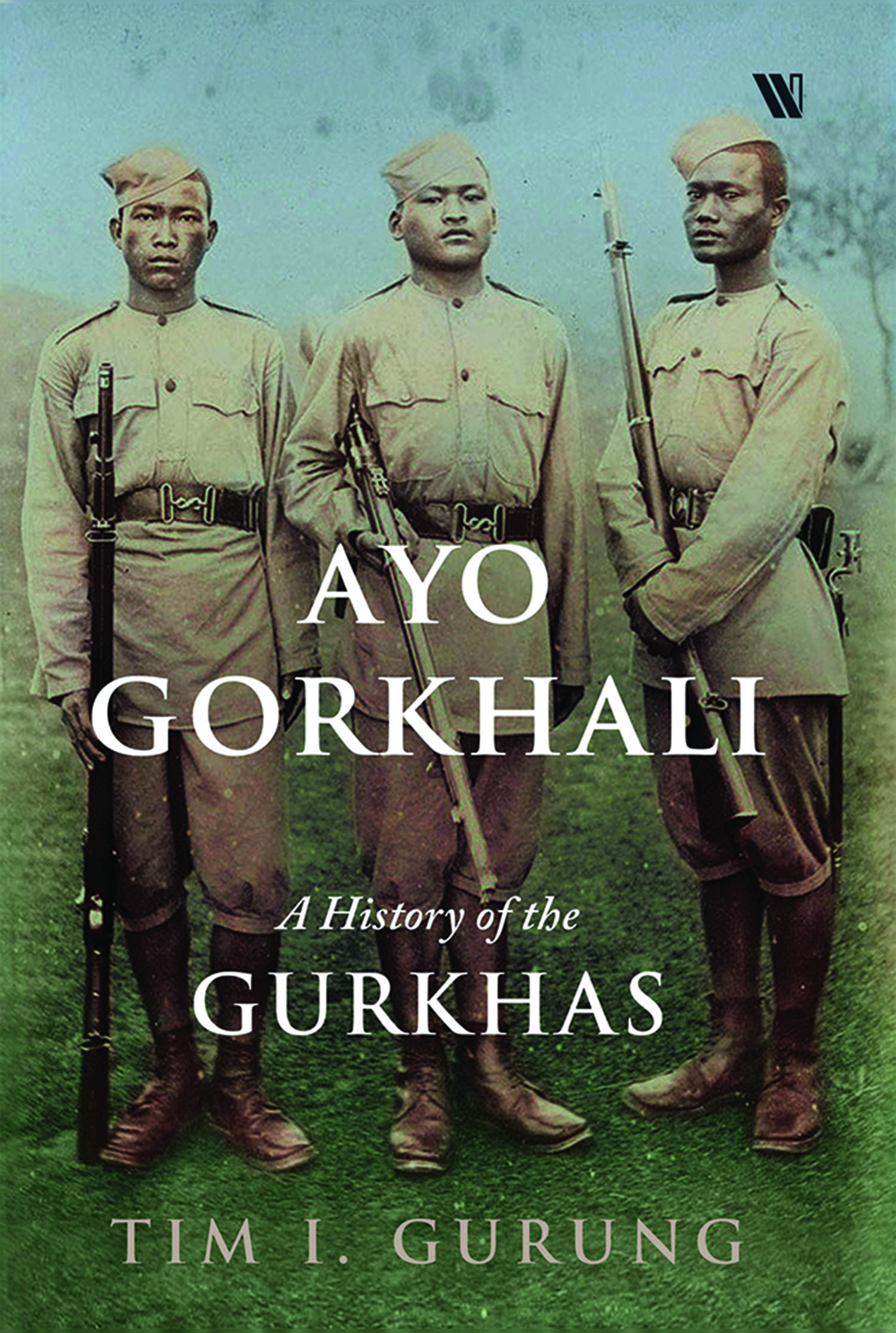
Ayo Gorkhali: A History of the Gurkhas offers an interesting addition to the ever growing study of Gurkhas. Gurkhas and their history continue to remain one of the subjects receiving wide scholarship, both academic and non-academic. The almost yearly publications of literature on the theme make it evident that the common thread among them is that most of these have been written by former military officers-turned-historians, often from the Gurkha Regiments.
Anuradha Roy & Melitta Waligora
Calcutta, rechristened Kolkata since 2001, has been defined with several names, City of Joy, City of Palaces, a decadent city, and so on, but whatever be its nomenclature, the city has a unique characteristic of its own. Though there are contradictory opinions regarding the establishment of the city in 1690 by Job Charnock, as the head of the British East India Company or not, this two-volume collection of eclectic essays seeks to explore Kolkata through areas not covered in the earlier works on the city, in terms of both topics and time.
Wendy Doniger
Doniger’s is a work of passion. This is on display not only in the unfolding of the narrative of her Winged Stallions and Wicked Mares but graphically in the 1968 photograph of Doniger on her Anglo-Arabian mount Damien, which although frozen in stationery pose clearly shows the elegant seat of a consummate lover of the animal.
Shefali Jha and Rekharaj. Illustrations by Chinan and K.P. Rezi. Translated from the original English into Hindi by Swayam Prakash
2020
Both the stories in this volume have been translated from the Malayalam, and bring alive people from the past.The first story, ‘Badshah, Mera Dost’ written by Shefali Jha is an innocent tale narrated by an eleven year old boy. The young protagonist Adil’s hatred for history turns into love in a fascinating turn of events. Adil, a bright child who loves sketching is very attached to his father. Despite having a great history teacher, he finds no interest in the subject and gets demotivated easily.
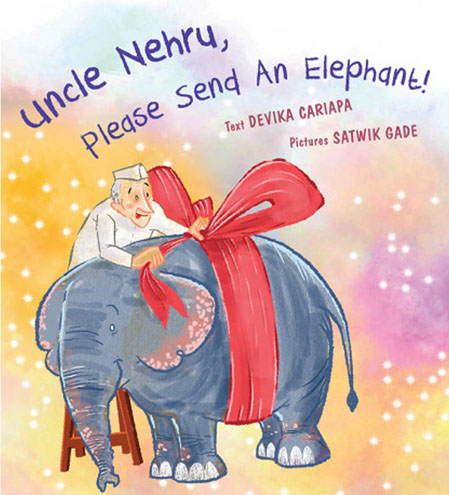
Devika Cariapa. Illustrated by Satwik Gade
What do Indira, Ambika, Murugan, Asha, Mohini, Ravi, Shashi and Ambika the Second have in common? They were all India’s ambassadors, but you will not find their names in the civil list. And who would have thought that ambassadors, diplomacy and international relations could be topics for a children’s book? Clearly Devika Cariapa did! She presents the most appealing aspects of Nehru’s ‘Elephant Diplomacy’, in a well written, easy-to-read narrative for children. Jumbos sent as gifts to children across the world who wrote asking for one…
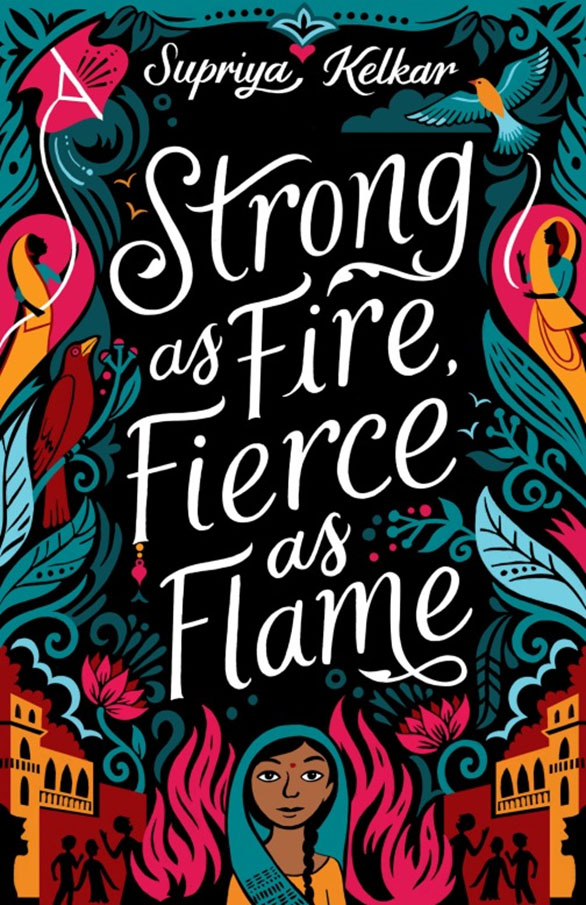
Supriya Kelkar
This story is set in 1857 in British India. It is centred around 13-year old Meera, who, at the age of 4, was married off to a 4-year old boy named Krishna. Sadly for Meera, her teenage husband is killed during a trip to Delhi when he is caught in the middle of gunfire during the Mutiny, also known as India’s First War of Independence. This rebellion was a major turning point for British rule in India. Meera’s life is entangled in these historical events as she is caught up in cultural expectations that she does not agree with. Her father expects her to die on her young husband’s funeral pyre, but Meera chooses her own path by running away…
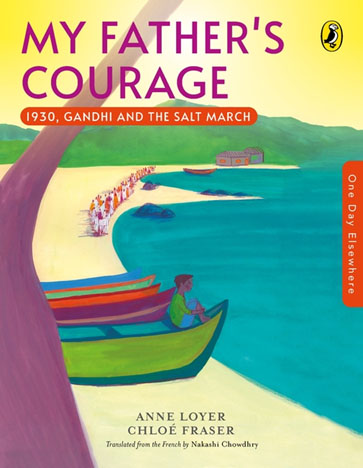
Anne Loyer. Illustrated by Chloe Fraser
The One Day Elsewhere series by Puffin consists of a set of four beautifully illustrated books, translated from the French by Nakashi Chowdhry, which tell the story of individuals and events in history that changed our world. Picking up incidents from world history which have resonated across time and have significantly impacted politics, environment, science and humanity, these books place them within the context of a child’s life. They link the personal and the public, thus making these intertwined momentous events come alive and seem like they are a natural part of a child’s life. The political and the public become a more immediate and felt experience…

Devika Rangachari
2021
There’s scarcely a child in India who hasn’t heard of the courageous Jhansi ki Rani—while my generation grew up memorizing and stridently reciting Subhadra Kumari Chauhan’s ‘Khoob ladi mardaani voh to Jhansi vali rani thi’, subsequent generations have met her in picture books and most recently in a Bollywood production which is, as usual, less concerned with historical fact than with creating alternative histories. What then could another telling of this tale have to offer a reader? It turns out—plenty…
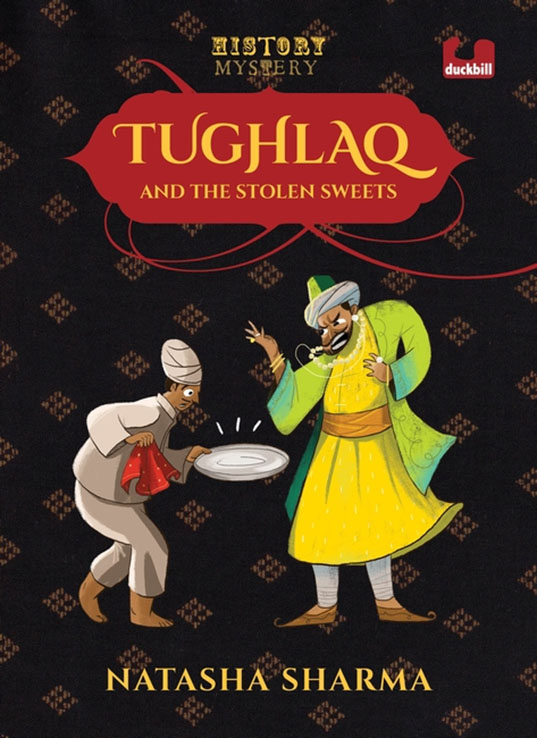
Natasha Sharma
Many years ago, one of our regular sojourns to the Delhi Book Fair found us buying books Written in Blood: History with the Gory Bits Left In and a few titles in the Horrible History Series. The normal childhood fascination with the macabre meant that those were one of the few books on history I willingly finished reading. Reading Natasha Sharma’s Tughlaq and the Stolen Sweets reminds me of those books. The book is a fictional story revolving around the ‘theft’ of a fruit prized by the Sultan, and the reluctant ‘volunteers’ made to identify the thief…
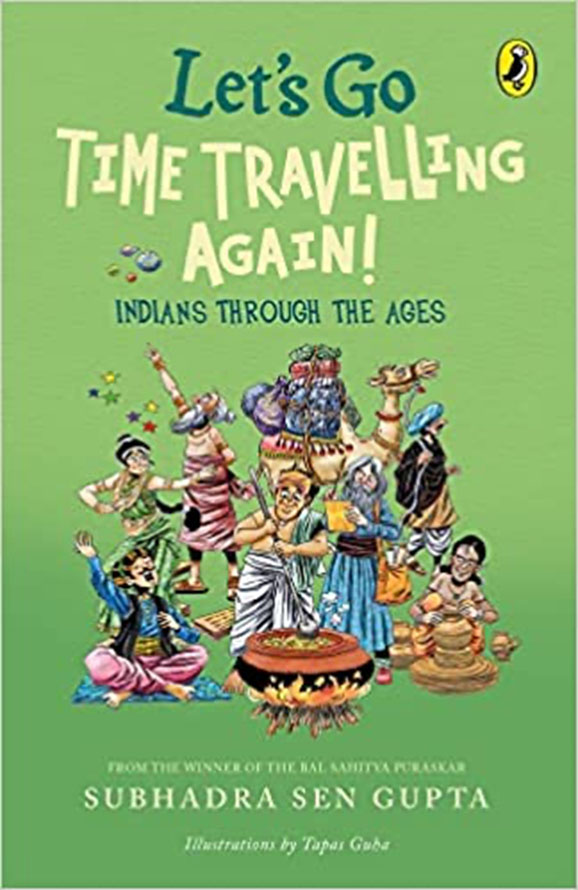
Tapas Guha
Celebrated children’s writer Subhadra Sen Gupta’s swansong, Let’s Go Time Travelling Again! Indians Through the Ages, is a remarkable addition to her already brilliant repertoire of publications. The second in the Time Travelling series, published posthumously, will alas also be the last of her many books aimed at making history fun and accessible to young people. She leaves behind a formidable legacy. Her non-fiction publications, especially on Indian history, continue to set a benchmark for introducing children to critical themes in an engaging way…
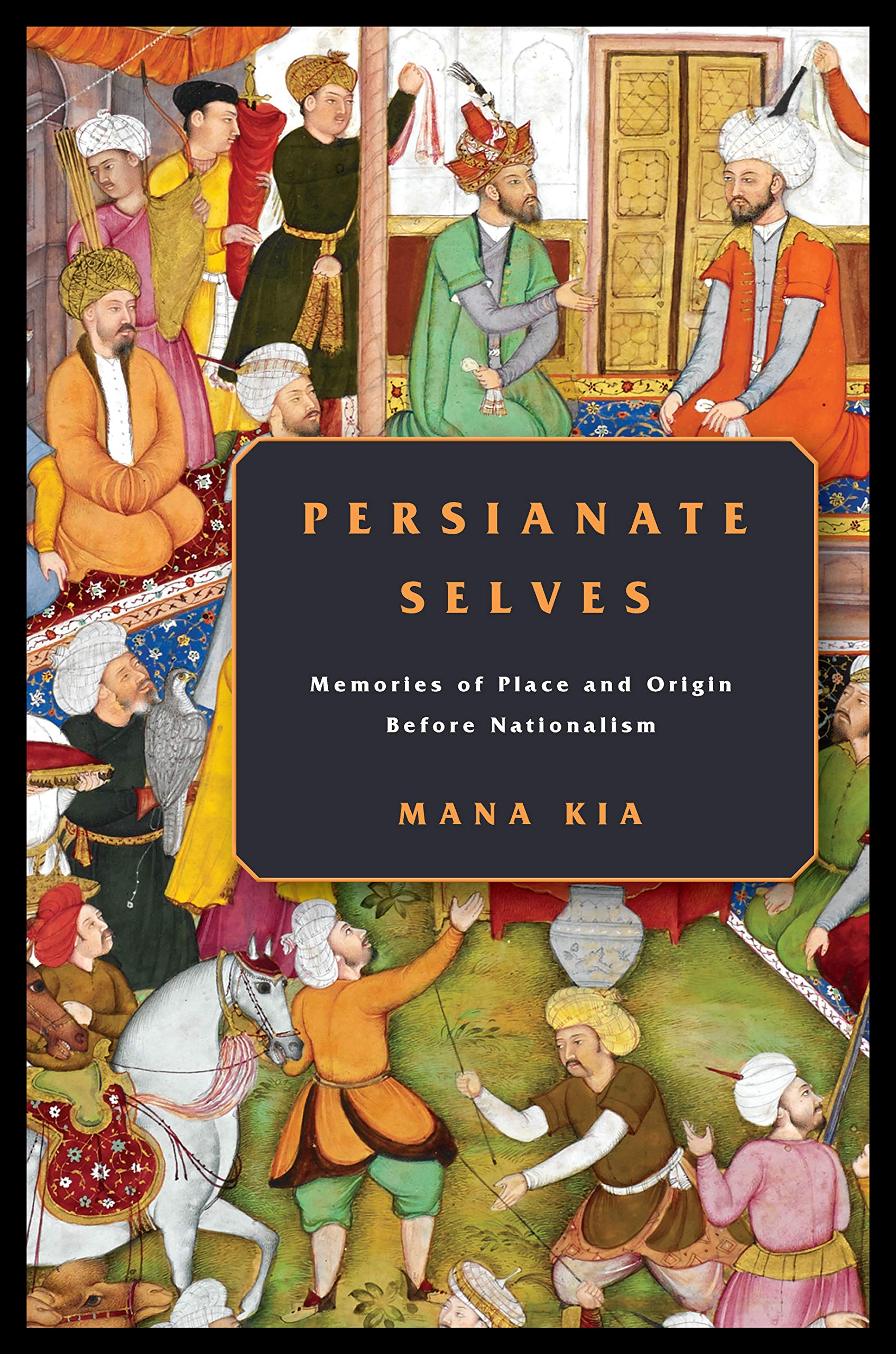
Mana Kia
Shaikh Ali Hazin, one of the greatest Persian poets of the day, moved to Delhi from Isfahan in 1734, a couple of years after the great Safavid dynasty of Iran was ended by Nadir Shah Afshar. While he was widely venerated in India, Shaikh Hazin denigrated Indian writings in Persian, which he found corrupted and unfathomable. In response Khan Arzu, one of the greatest scholars of the age, an uncle to the poet Mir, and a philologist who anticipated William Jones by a few decades, defended Indians’ ability to compose in Persian as they liked by making a distinction between the spoken language and the learnt literary language…
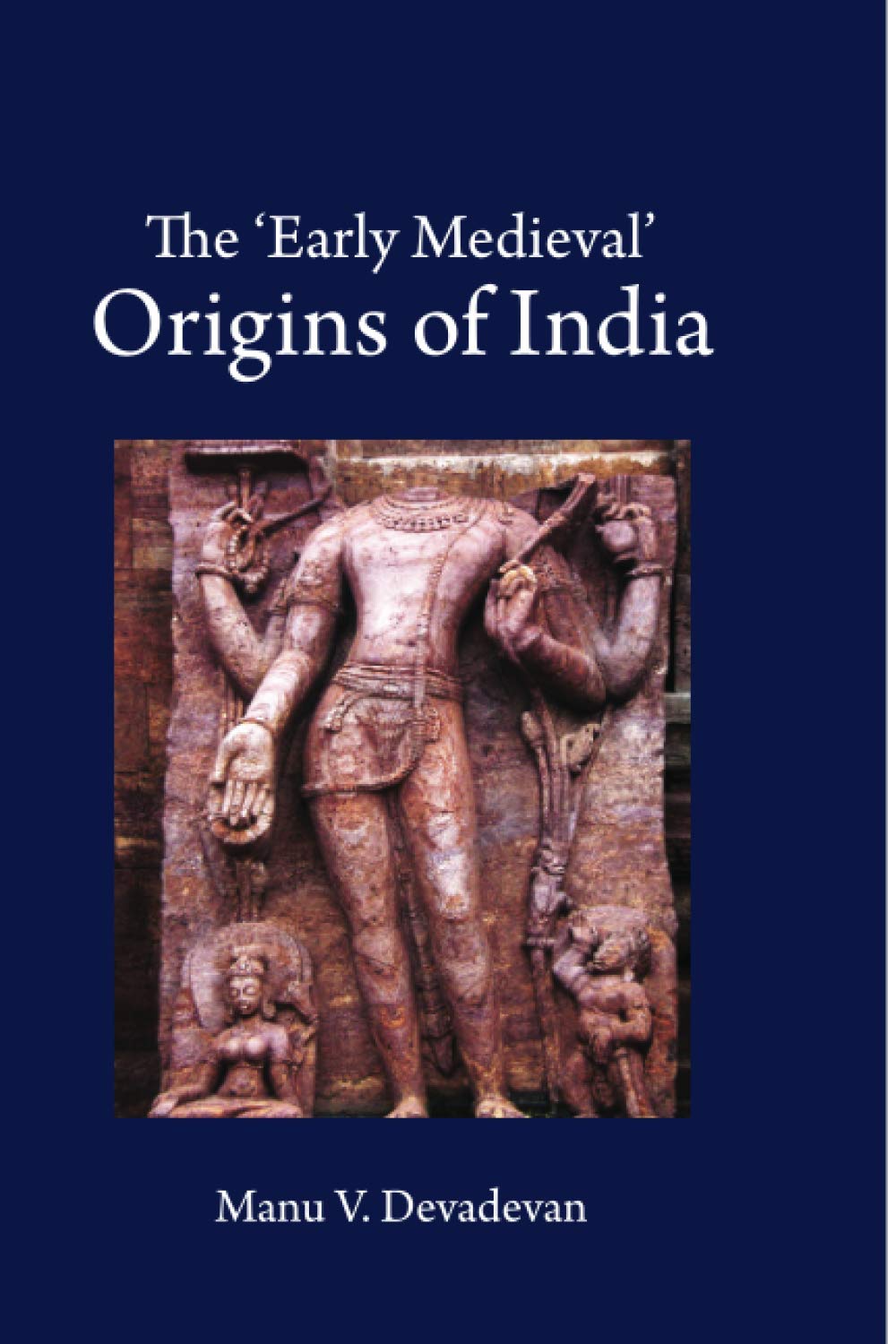
Manu V. Devadevan
The volume by Manu V Devadevan, The ‘Early Medieval’ Origins of India, is a significant contribution to pre-modern South Asian history. A reappraisal of the historiography of the period 600-1200 CE referred to as the ‘early medieval’, it is a valuable addition to the debate on what India is and how it should be understood. Critical of the scheme of periodization in Indian history and prevailing wisdom on early medieval period, the book is provocative and radical in its claim that India is a product of the early medieval times. It stands strongly against the popular imagination and existing knowledge that trace the beginnings of ‘Indian civilization’ to the second millennium BCE or the age of the Vedas…
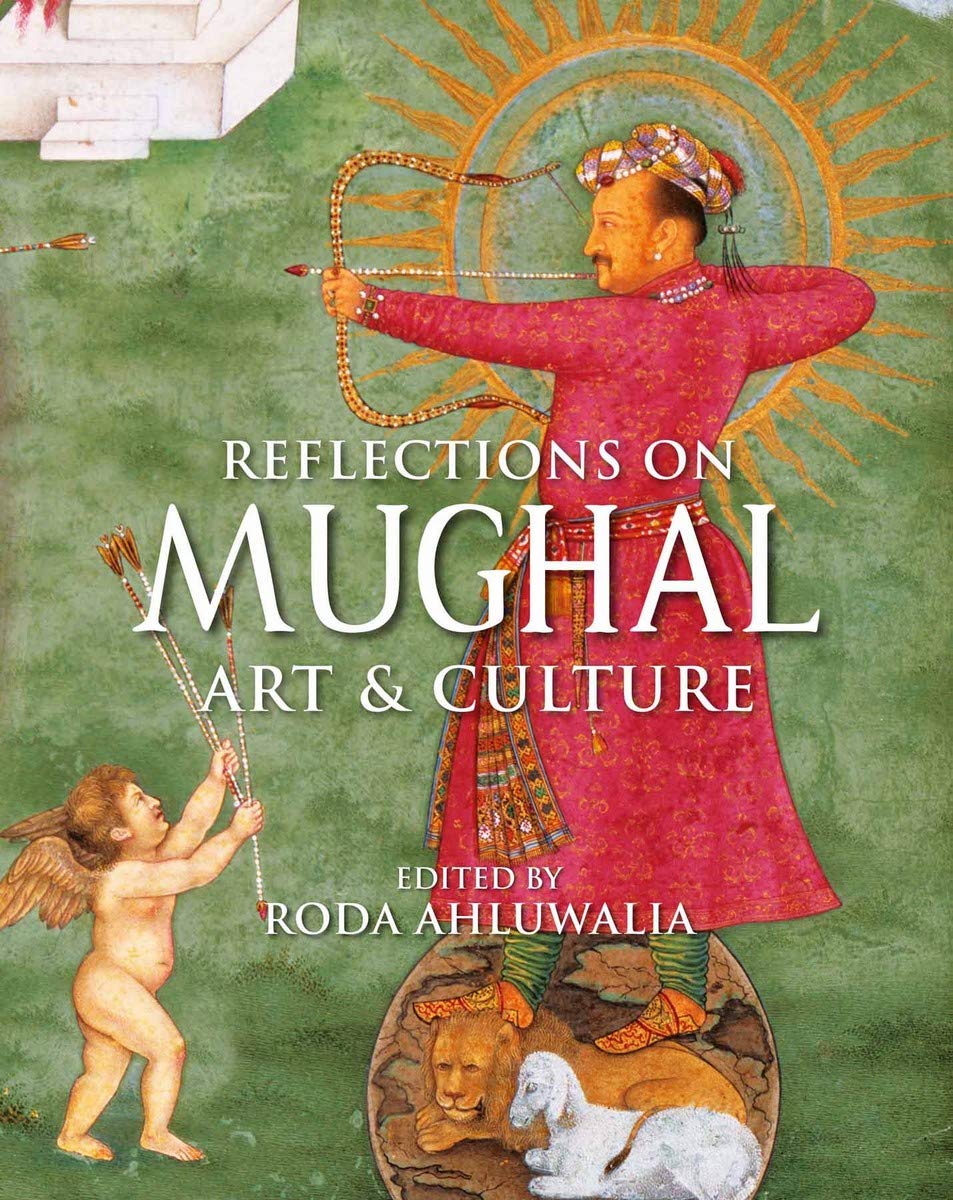
Roda Ahluwalia
This book is a collection of papers presented at a two-day seminar titled ‘Mughal Art and Culture’ organized by the KR Cama Oriental Institute, Mumbai in 2017. A wonderful exhibit of the institutional patronage provided by the Parsi community to historical research pertaining to Iran and India, the book is a welcome addition to the history of the Mughal era while retaining its specialized focus on the history of art and architecture of the period. It begins with a short Foreword by Muncherji Cama (since deceased), President, Cama Institute, and Owner-Editor of Bombay Samachar, the Gujarati newspaper…
Rudrangshu Mukherjee
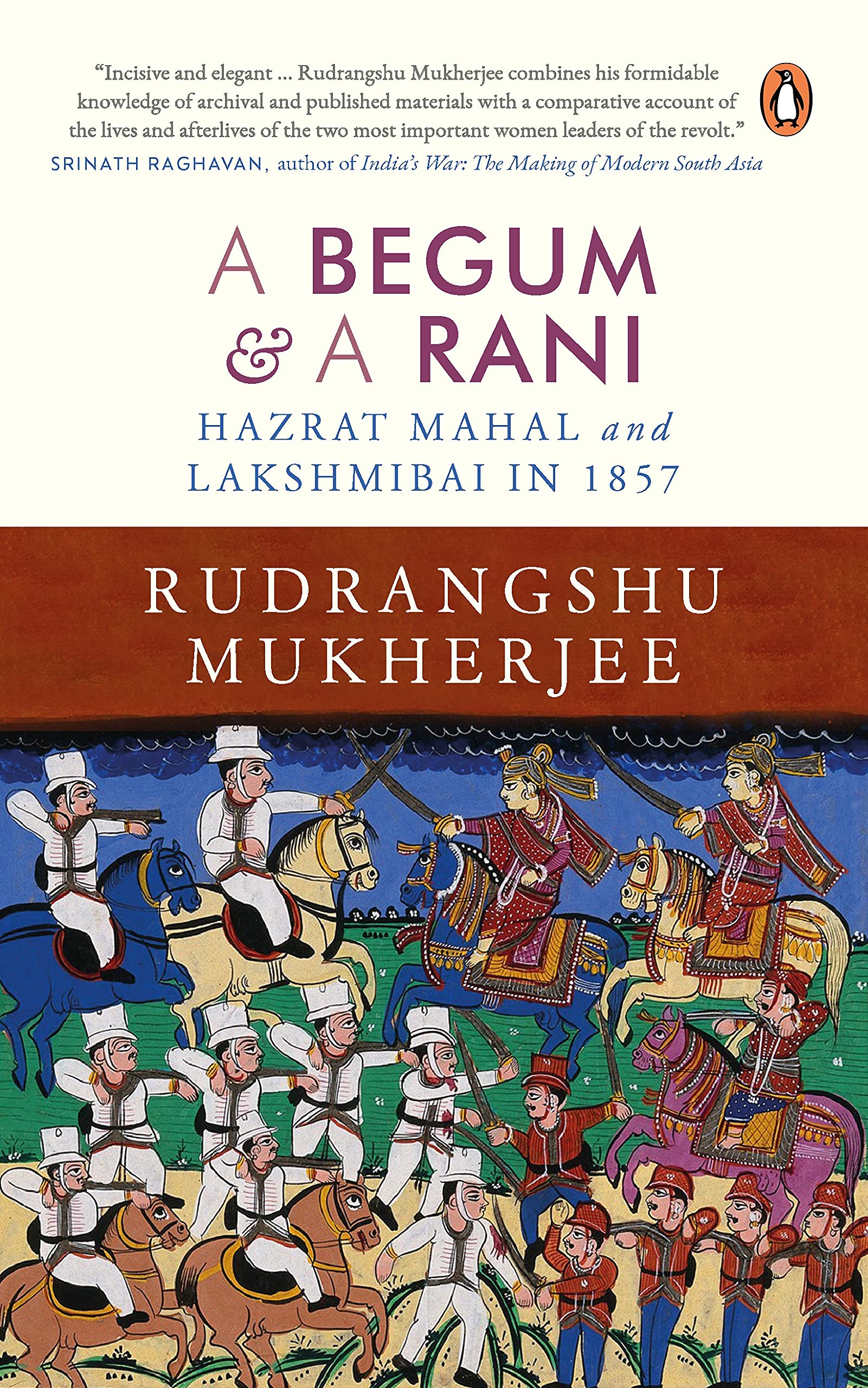
So far as a rigorous history of the upsurge of 1857 is concerned, Professor Rudrangshu Mukherjee is a formidable name. After every 50 years of the event, something spectacular has happened. Scholarship on the history of 1857 has been rising with state-funded seminars, conferences and publications, in 1957, and 2007. Mukherjee’s interventions have been much more profound and way beyond such sponsored research. He has also paid special attention to Awadh and Kanpur…
Aparna Vaidik
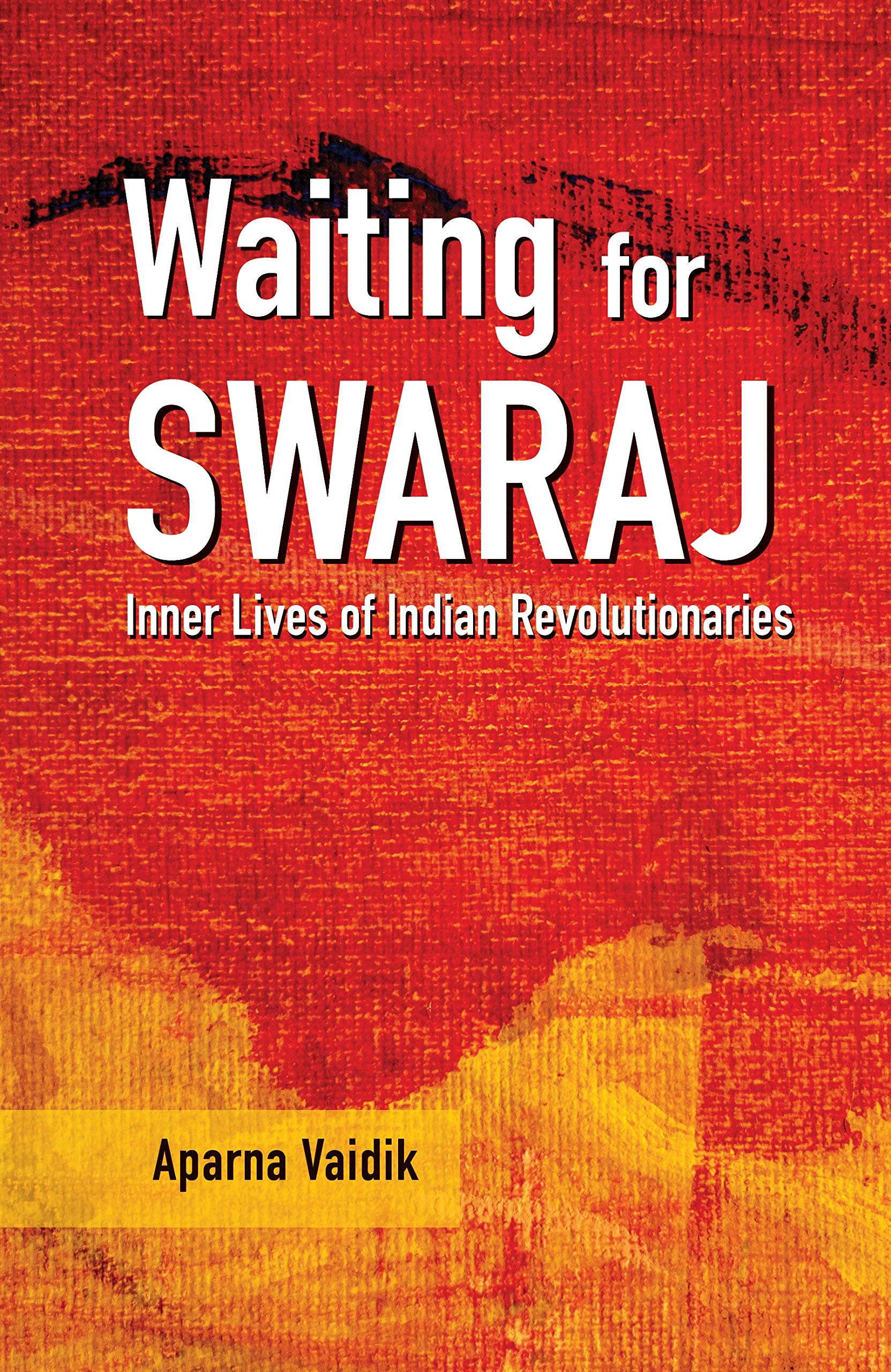
The book Waiting for Swaraj: Inner Lives of Indian Revolutionaries makes a distinctive contribution in locating the lives of revolutionaries of the Hindustan Republican Association (HRA) and Hindustan Republican Socialist Association (HRSA) beyond their acts of heroism. It is, as the author Aparna Vaidik calls it, the evaluation of an ‘emotional community’ that these revolutionaries primarily belonging to the North of India forged. They were crafting in the process an incipient Hindi speaking public sphere that contributed to a lexicon in Hindi to imagine a new discursive India…
Jyoti Gulati Balachandran
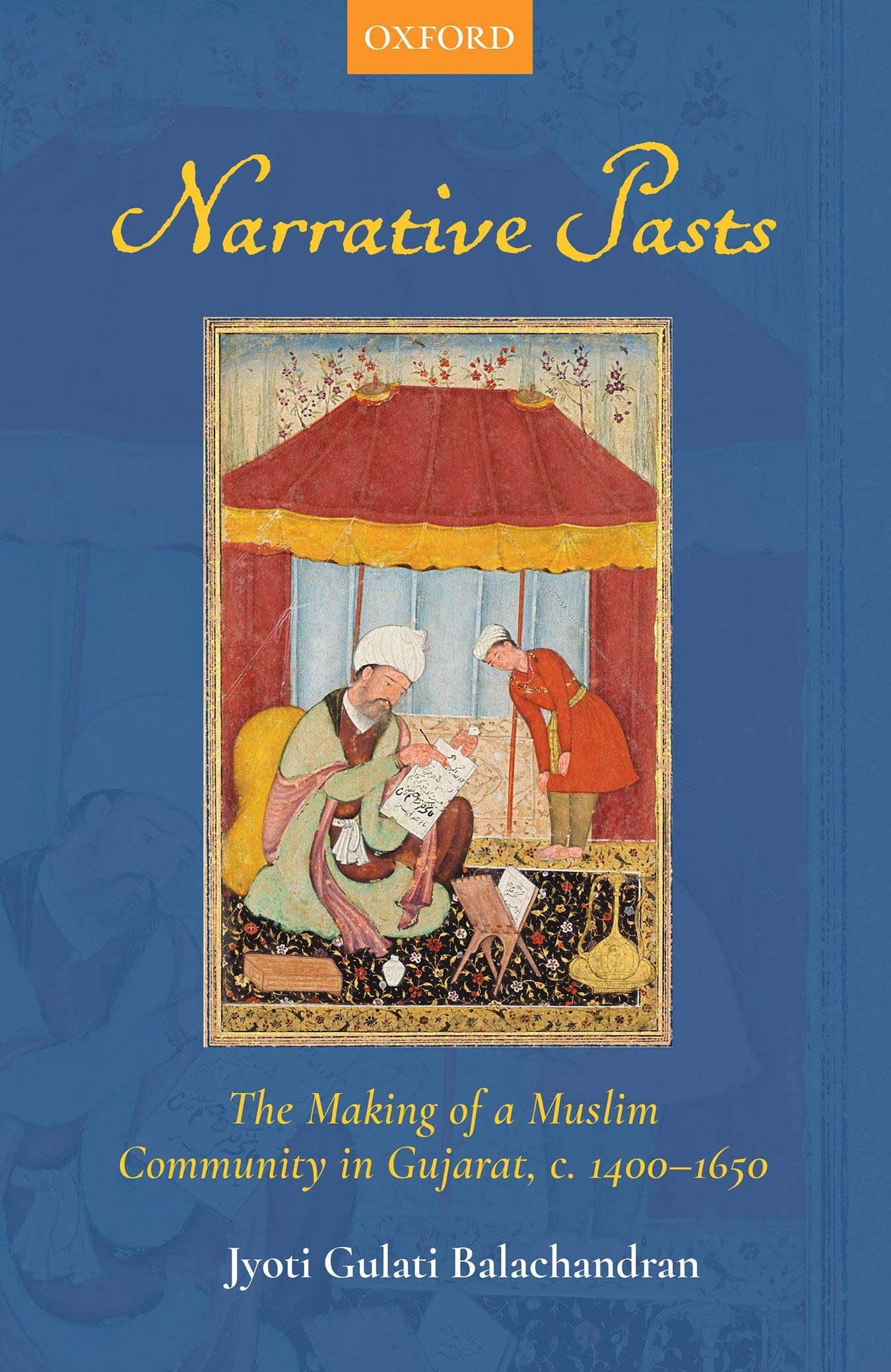
Narrative Pasts narrates the formation of the Muslim community in 15th century Gujarat. The work highlights the representational power of various literary genres—biographical, historical, genealogical etc. and the way these memorialize the 15th century landscape. It successfully demonstrates that the region of Gujarat had a significant position in the world of Islamicate South Asia wherein it shaped the literary developments as well as the identity of the Muslim communities in the subcontinent. The region was also the focal point of textual knowledge formation as well as a thriving urban settlement. Moreover…
Katherine Young
2021
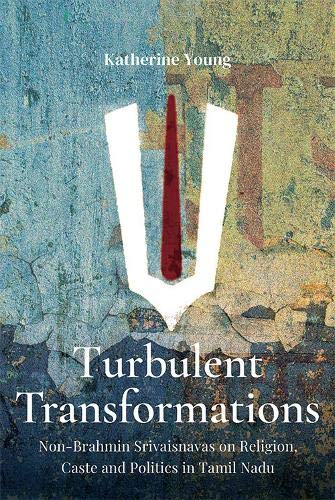
Sometime around the 11th-12th century CE, Ramanuja, a great Shrivaisnava saint, accompanied by two disciples travelled from Srirangam (presently in Tiruchchirappalli district) to Tirukottiyur (currently in Sivaganga district) in the Tamil Nadu region to meet a renowned acharya (loosely translated as teacher) for the purpose of learning a mantra (esoteric sacred knowledge) otherwise exclusively confined to the Brahmanas of the Shrivaisnava community. We are told that Ramanuja’s interaction with the acharya was a test of his will power and patience…
Bhairabi Prasad Sahu
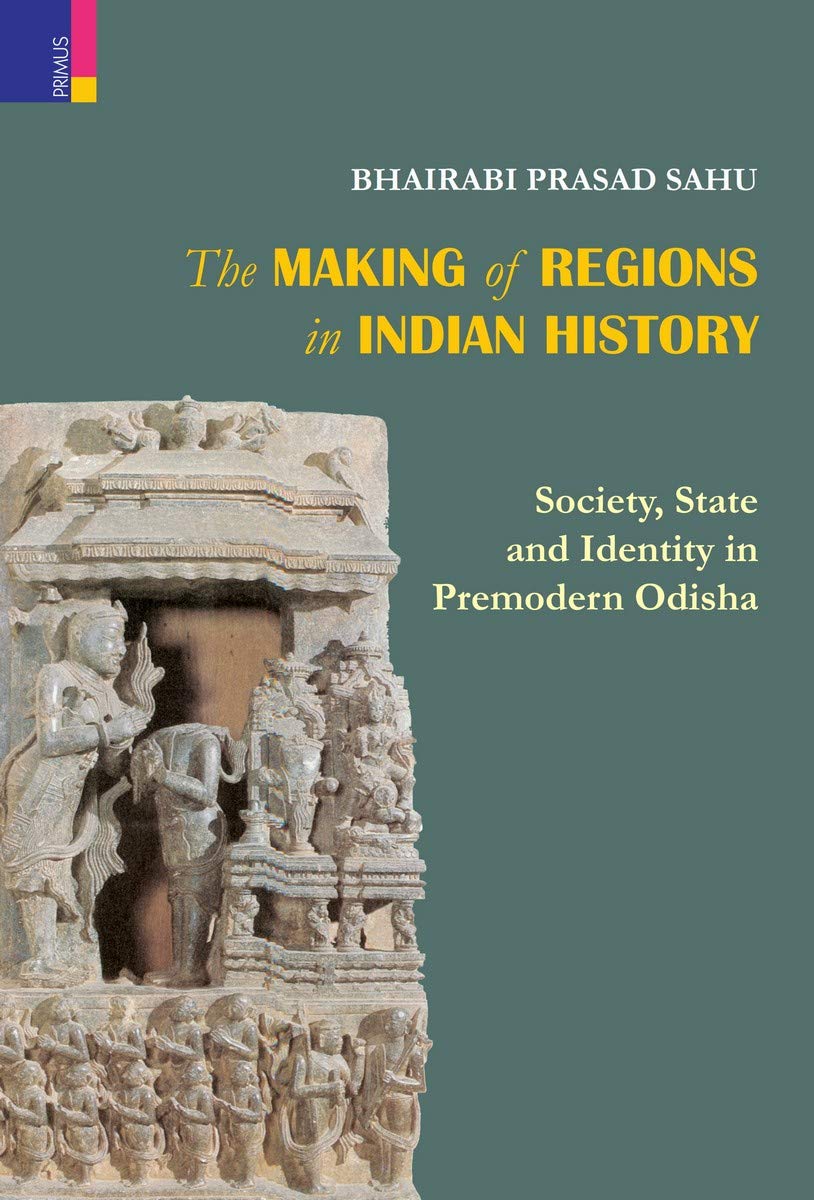
Bhairabi Prasad Sahu, a veteran historian, has published a collection of fourteen essays on the history of pre-modern Odisha. The book explores the ‘convergences of culture, language, society and territory’ (p. 20) in the making of the Odisha region from the post-Mauryan times to the sixteenth century. It engages with issues of monarchical state formation, expansion of state-society, shaping of a region-specific caste system, spread of Puranic religions, growth of trade, markets and urbanization, and the evolution of Odia language and script…
Aloka Parasher Sen
Aloka Parasher Sen, otherwise known amongst students of history for her groundbreaking works on forest spaces and forest dwellers, especially the Mlecchas, has made another crucial intervention via the book under review. This book on the early history of Deccan is her labour of love, a token of gratitude to the city of Hyderabad, where she taught as Professor in the Department of History, Hyderabad Central University. In another piece of writing, a rather interesting bio-note, Sen admits that her stay in Hyderabad made her sensitive to the immediate environs and got her interested, academically, in the region…